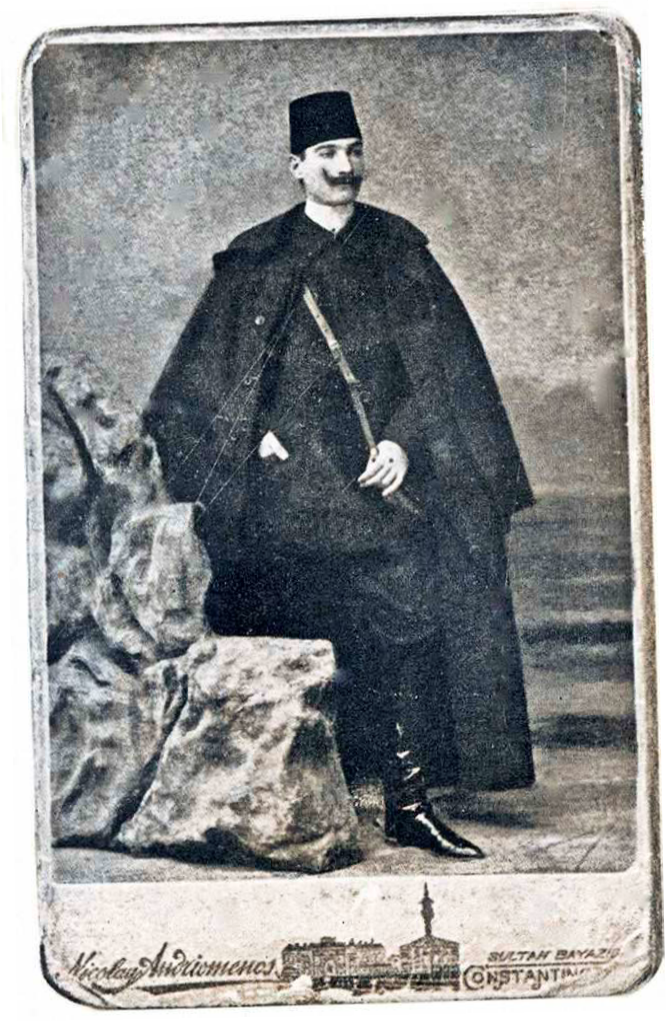
In the spring of 1899, a young man of eighteen came to Istanbul. In his pocket were the good marks he had earned in Manastır; in his mind, the forbidden verses of Namık Kemal.
The next fifteen years were the most turbulent years of an empire. The young officer was somewhere in every one of these upheavals: sometimes secretly reading books in a dormitory, sometimes bent over a map in a desert tent, and sometimes only receiving news from afar, his heart heavy. This page tells of that road, from the school benches to the front.
The school in Pangaltı
On 13 March 1899, Mustafa Kemal enrolled at the Military Academy in Istanbul, the school people simply called “Harbiye”. He was assigned to the infantry class.
The school was under the tight surveillance of the reign of Sultan Abdülhamid II. What the students read and whom they spoke with was watched. But the air of the capital was very different from Manastır; newspapers, bookshops, the crowds of Galata opened a new world before the young student.
Years later, recalling these days, he said that his political ideas had first sprouted here:
“In the Harbiye years, political ideas began to appear. (…) We were reading Kemal Bey’s books. The surveillance was strict. Most of the time we found the chance to read only after we had gone to bed in the dormitory.”
From his own memoirs · Yahya Akyüz, Belleten, issue 180 (1981)
In his memoirs, Cebesoy recounts how one night Mustafa Kemal came to him, held out a copied version of Namık Kemal’s Vatan Kasidesi (Ode to the Homeland), and said in a low voice, but with great excitement: “Fuat, my brother, let us learn this by heart.”
A handwritten newspaper
On 10 February 1902 he graduated from the Harbiye as an infantry lieutenant. Like the other successful students, he was selected for the War Academy that trained staff officers, known at the time as the Erkân-ı Harbiye Mektebi.
The academy was under the same roof, but the lessons were now heavier: strategy, maps, military history, foreign armies. Alongside these lessons, the young lieutenant was learning one more thing: to look at how the state was being governed.
Together with a few friends, he put out a small, hand-copied newspaper in which they wrote about the failings and mistakes they saw. The school administration noticed and began to watch them. But the young officers did not stop writing until they finished school.
These small sheets of paper were the first attempts of a pen that would one day carry the voice of an entire nation.
Staff captain, and the first prison
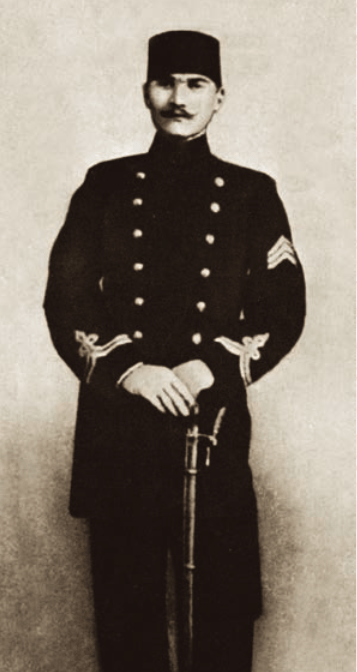
On 11 January 1905 he graduated from the War Academy as a staff captain. He was twenty-three years old.
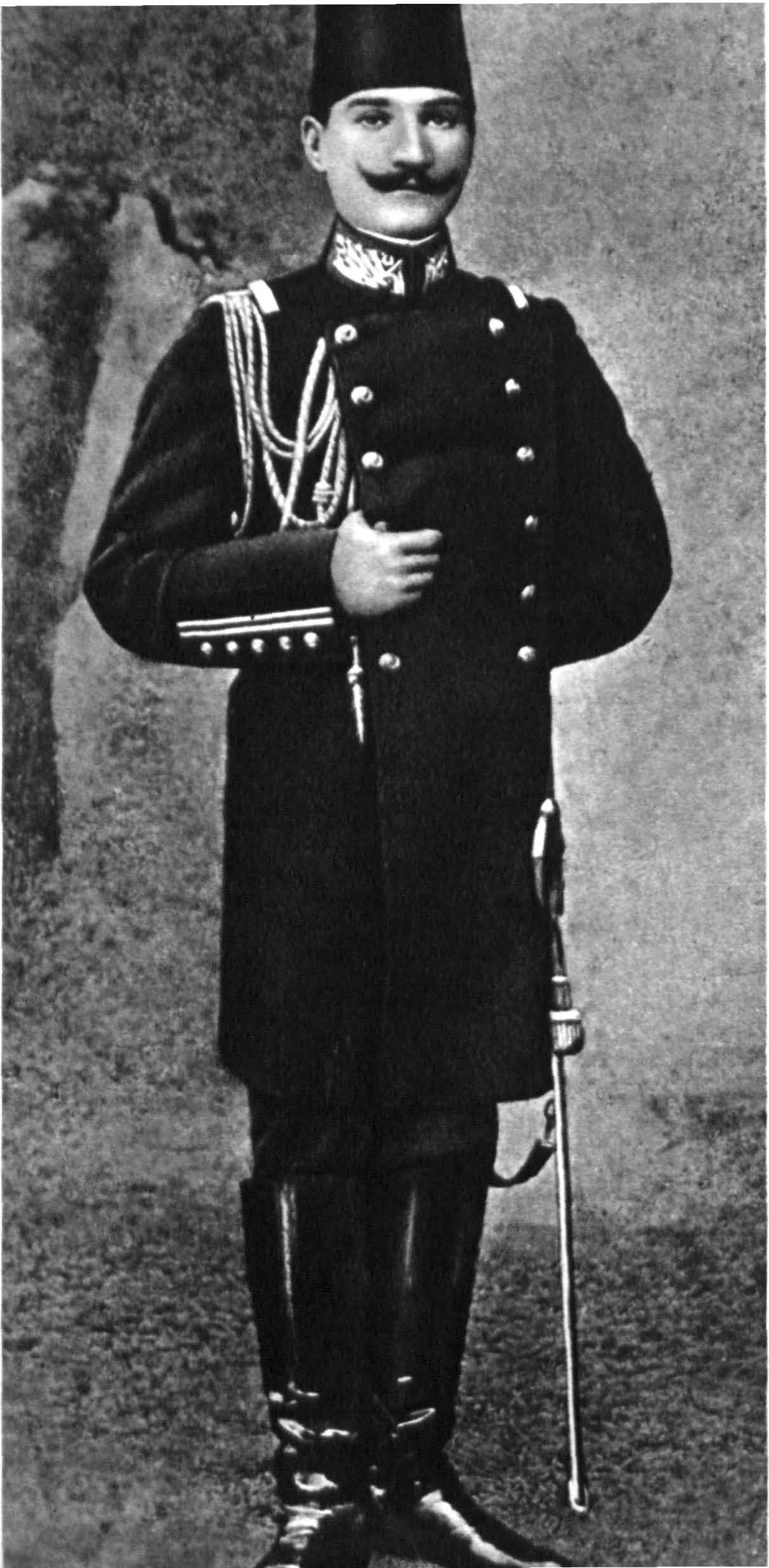
The photograph alongside is a portrait from the years of his graduation. A self-assured young man in a fez, with a sword, looks into the lens.
But the joy did not last long. Because of the meetings he and his friends held in a house they had rented in Istanbul, and the writing they had begun at school, he was taken into custody, held for a time and interrogated. In the end he was released; but he was sent far from the capital, to the Fifth Army in Syria.
For the young officer, this was a clear warning: within the state, even to think was dangerous.
At the edge of the desert
In 1905 he was sent for his probation period to the Fifth Army, headquartered in Damascus. His first posting was the 30th Cavalry Regiment.
For months he travelled with units dealing with the revolts breaking out in the interior of Syria. He served in turn with infantry, cavalry and artillery units. The war he had learned from books showed a different face here: a war of small units, long marches, thirst.
In the bazaars of Damascus, in the harbour of Beirut, he saw once again how vast and how weary the empire was. As much as the weight of duty, corruption and neglect did not escape his eye.
Vatan ve Hürriyet (Homeland and Freedom)
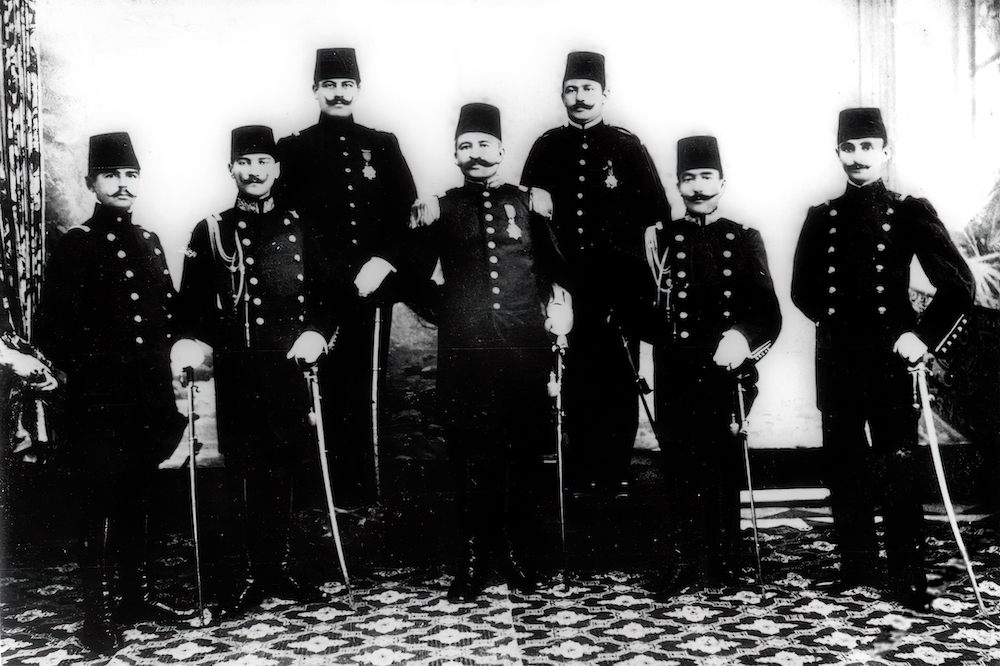
In October 1906 in Damascus, together with a few friends he trusted, he founded a secret society: Vatan ve Hürriyet, “Homeland and Freedom”.
Among the founders were Major Lütfi Bey, Dr. Mahmut Bey, Lütfi Müfit (Özdeş) Bey and Dr. Mustafa (Cantekin). Their aim was to work for a constitutional order against arbitrary rule. The society’s branches soon reached Beirut, Jaffa and Jerusalem.
Mustafa Kemal was not content with this. He believed that the real movement had to begin in Thessaloniki, that is, in his own city. Without permission, he went secretly by sea to Thessaloniki and opened a branch of the society there.
He soon learned that he was being sought. With the help of superiors who protected him, he was recorded as if he had been on duty at that time in Beersheba (Birüssebi), on the Egyptian border, and he quietly returned to Syria.
Homecoming
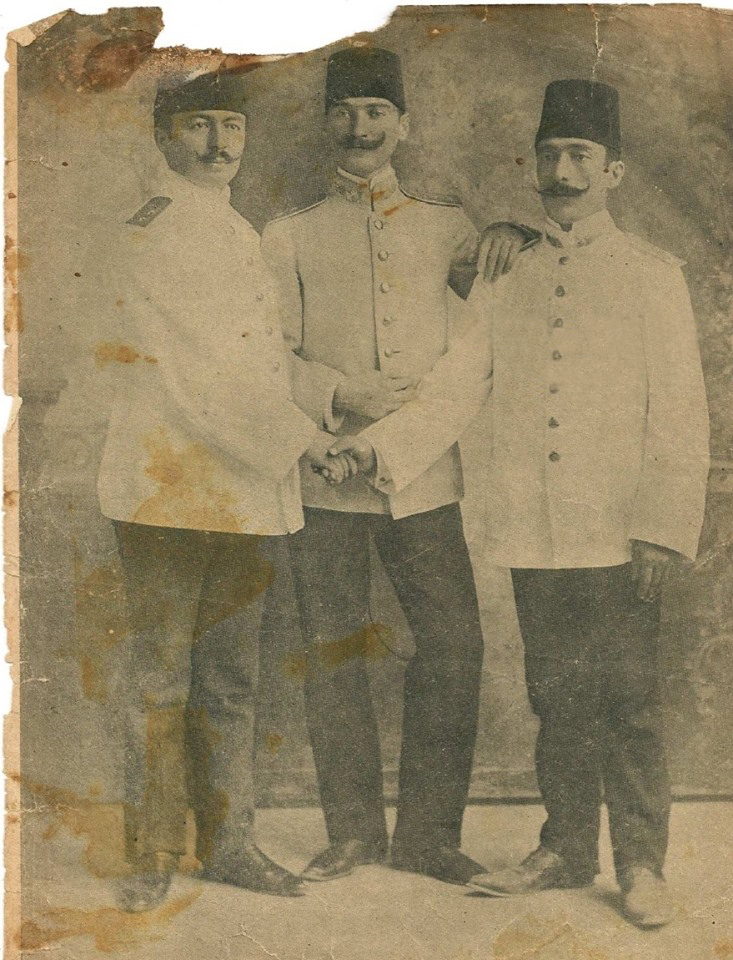
On 20 June 1907 he became a kolağası, that is, a senior captain. On 13 October 1907 he was assigned to the Third Army and returned to Thessaloniki.
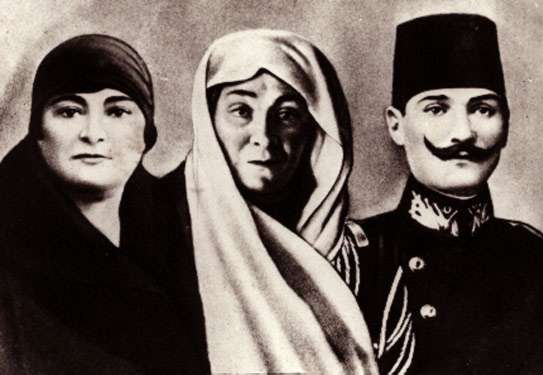
He saw again his mother Zübeyde Hanım, his sister Makbule, the streets of his childhood. But a surprise awaited him in the city: the Vatan ve Hürriyet branch he himself had founded had joined a more powerful organisation, the Committee of Union and Progress (İttihat ve Terakki).
According to the sources, at the end of 1907 or the beginning of 1908 he too became a member of Union and Progress. But he never fully warmed to the committee’s leading figures. The young staff captain spoke bluntly and did not hide what he thought.
When the constitution (Meşrutiyet) was proclaimed anew on 23 July 1908, the streets of Thessaloniki were like a festival. People of different languages embraced in the squares. Mustafa Kemal shared this joy; but he also knew that a constitution alone could not save a state. At the end of the same year, he was sent on a mission to Tripolitania, where unrest had broken out, and examined the situation there on the spot.
The Action Army
On 13 April 1909, “31 March” by the old calendar, an uprising against the constitution broke out in Istanbul.
When the news reached Thessaloniki, an army was gathered to restore order: the Hareket Ordusu, the “Action Army”. Mustafa Kemal served as chief of staff of the first of its units to set out.
The units reached the outskirts of Istanbul by train, and in the last week of April they entered the city. The uprising was put down; soon afterwards Sultan Abdülhamid II was deposed.
As soon as the mission was over, he returned to Thessaloniki and to his own work. The applause in the great city went not to him but to others. He did not let it trouble him.
The army must stay out of politics
In the autumn of 1909 he attended the congress of Union and Progress in Thessaloniki, and there he said something many did not want to hear.
In his view, the army and politics had to be kept apart. If officers busied themselves both with party affairs and with soldiering, both would suffer; the army would lose its strength, and politics would remain in the shadow of the gun. The state needed both a strong army and a strong political cadre, but they had to work separately.
This speech disturbed the committee’s leading figures. From that day on, Mustafa Kemal drew further and further away from the committee’s affairs and gave all his attention to soldiering.
In these years he also wrote and translated books on soldiering. In 1908 he translated a military work from German into Turkish under the title “Takımın Muharebe Talimi” (Combat Training of the Platoon); in 1909 he published “Cumalı Ordugâhı” (The Cumalı Camp), describing manoeuvres near Thessaloniki. His aim was to teach young officers war not by rote but by thinking.
Looking at the armies of Europe
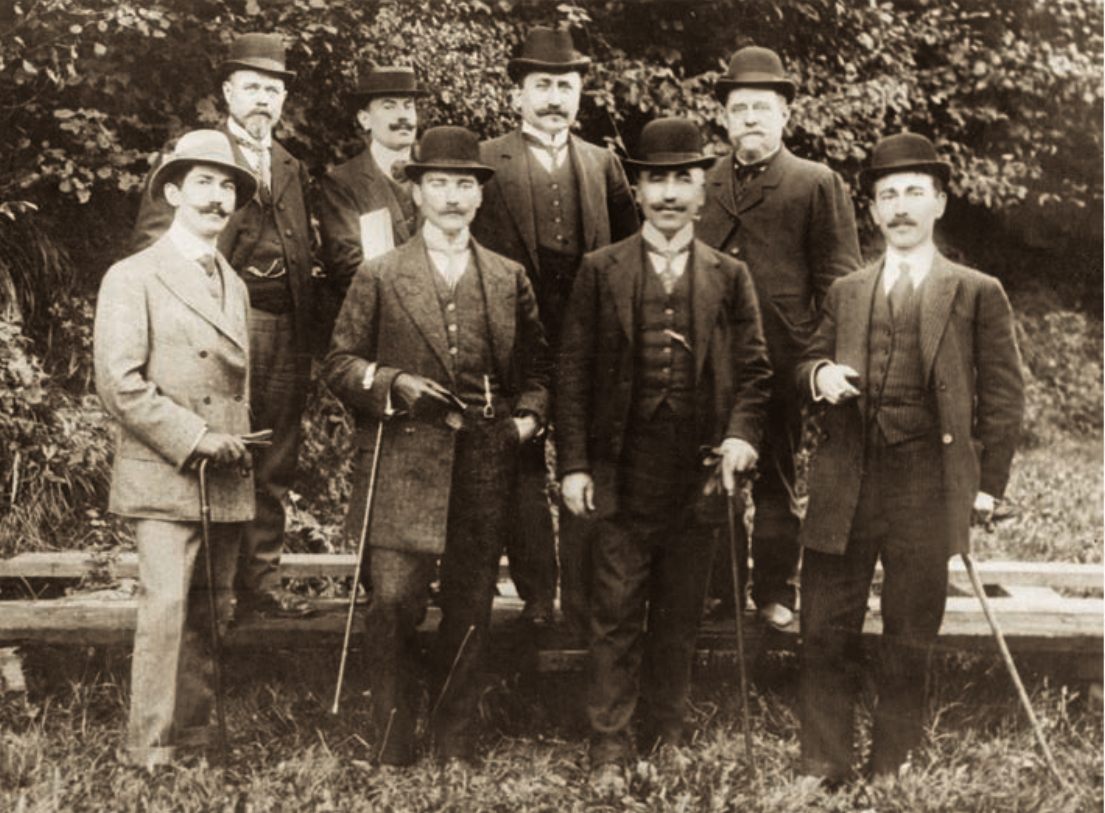
In September 1910 he was sent with the Ottoman delegation to France, to the great manoeuvres held in the northern region of Picardy.
He watched one of Europe’s most powerful armies up close. New guns, new formations, aeroplanes tried for military purposes for the first time… He saw with his own eyes how war was changing.
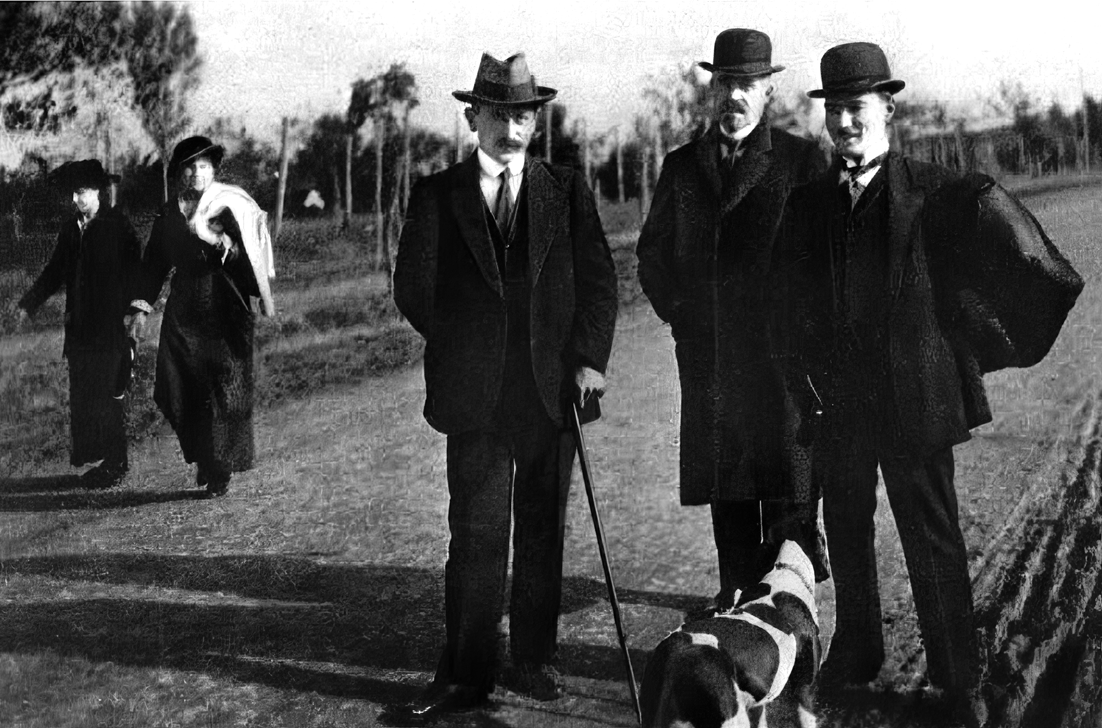
In the photograph, among officers in civilian clothes, stands a young Ottoman staff officer with his hat and cane, looking intently ahead. He noted what he saw and carried it home to his country.
An officer disguised as a journalist
At the end of September 1911, Italy attacked Tripolitania (Trablusgarp), the Ottoman state’s last territory in North Africa.
The roads there were closed. The sea was in the hands of the Italian navy; the land route through Egypt was under British control. Even so, many young officers wanted to go as volunteers. Mustafa Kemal was one of them.
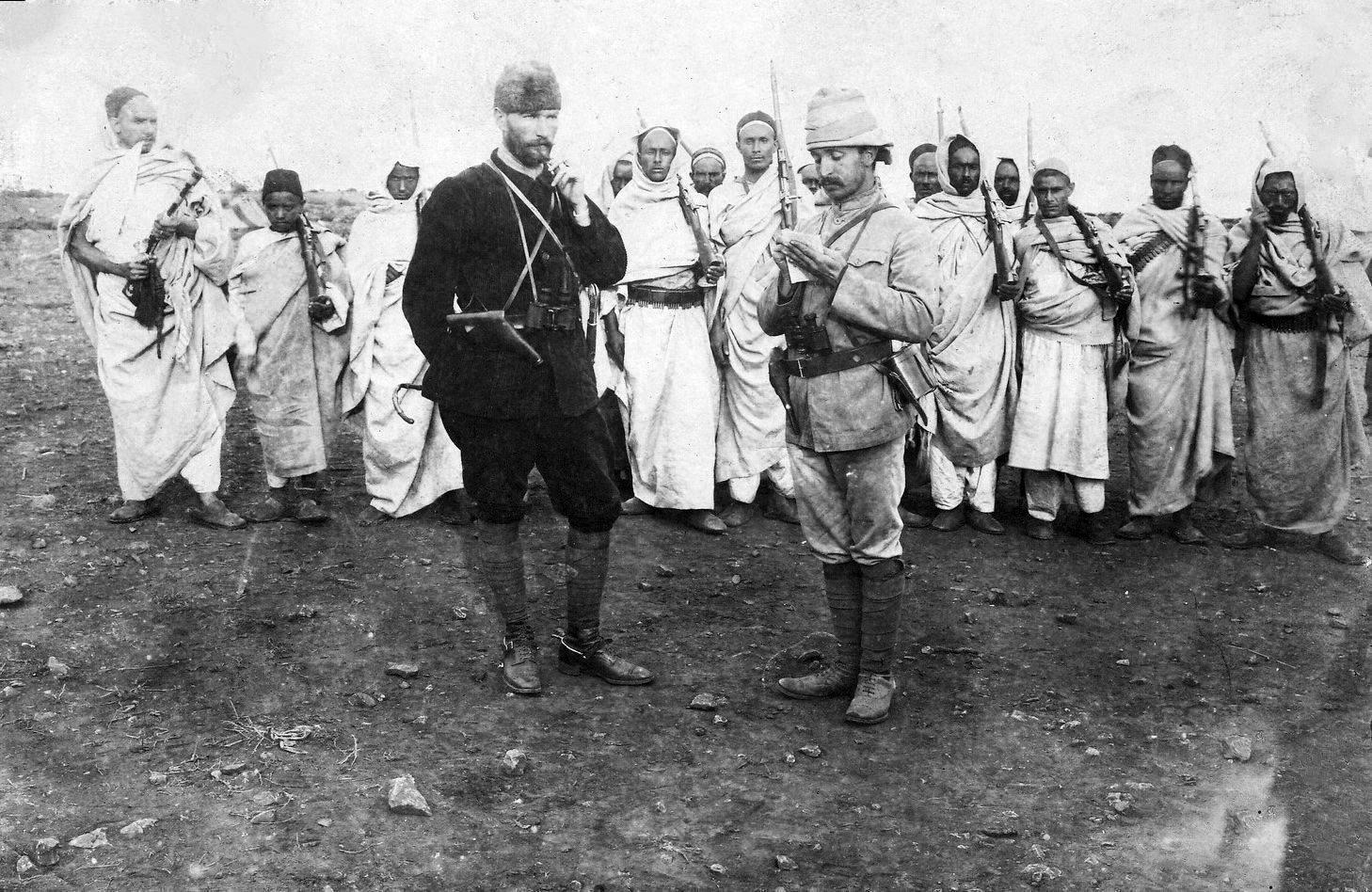
On 15 October 1911 he set out from Istanbul with the papers of a newspaper correspondent, using the name “Mustafa Şerif”. In Alexandria he fell ill and had to spend some time in hospital. Once recovered, he crossed the desert by train, then by camel.
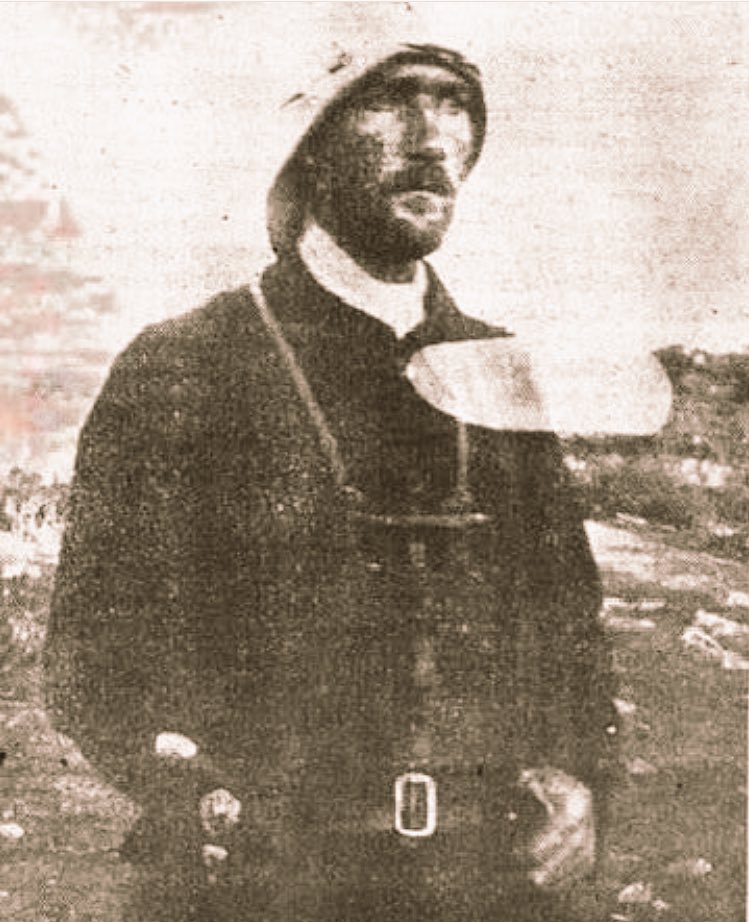
In December he reached Libyan soil. On 22 December 1911, near Tobruk, he fought his first engagement against the Italians. Meanwhile, during the days he was on the road, he had been promoted to major.
A commander in the desert
In Tripolitania, a small number of Ottoman officers, together with the region’s local fighters, resisted a far more powerful army.
Mustafa Kemal took command of the forces around Derna. To win the trust of the local tribes, he learned their language, their customs, their ways of showing respect. He sat in their tents and shared the same bread with them.
In January 1912 he was wounded in the eye during a clash at Derna and was treated for about a month. The eye would go on troubling him for years. In March 1912 he was appointed Commander of Derna.
Although the enemy held the coastal towns, its advance into the interior was blocked for months. But the end of the war would be decided not in Tripolitania, but much closer by.
The city of his birth
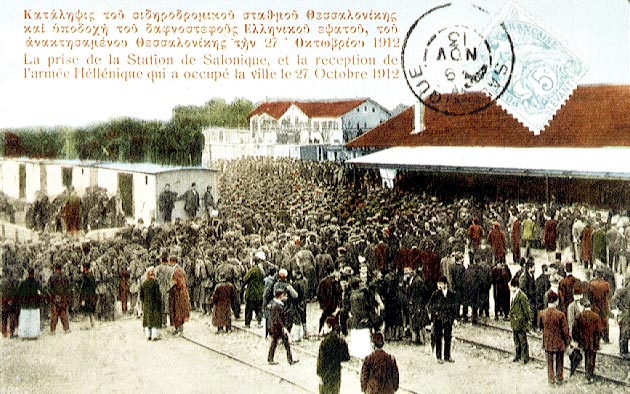
When the Balkan states declared war in October 1912, the Ottoman state was forced to make peace with Italy. Mustafa Kemal left Tripolitania on 24 October; to have his eye treated, he returned to Istanbul by a long road, by way of Vienna.
The news that reached him on the way grew darker every day. On 8 November 1912, Thessaloniki was surrendered to the Greek army without a fight in the city. The next day, Greek troops entered the city.
With its quay, its White Tower, the Koca Kasım Paşa quarter where he had spent his childhood, his father’s grave, Thessaloniki was now a city of another state. The benches of the military middle school, Şemsi Efendi’s school, his mother’s house… all of it, in a single moment, lay on the other side of the border.
As an officer who had held out for months in the desert, he felt deeply the pain of the city of his birth being surrendered without a fight. This wound did not close until the end of his life.
For him, Thessaloniki was not just a city. It was his mother’s voice, his childhood, the place where he had first chosen his own path.
His mother on the refugee roads
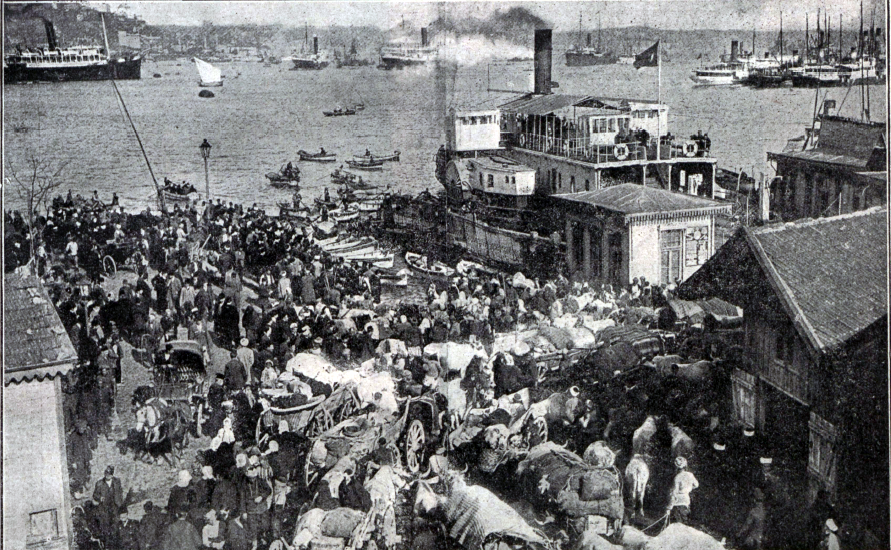
With the fall of Thessaloniki, tens of thousands of Muslim families left their homes and took to the roads. Zübeyde Hanım and Makbule were among them.
His mother and sister fled to Istanbul with the few belongings they could take with them. The house they had lived in for years, the neighbours of the quarter, the grave of her husband Ali Rıza Efendi were left behind.
Half a century of life had to fit into a few bundles. In an Istanbul filled with refugees from Rumelia, one of the empire’s heaviest losses was now every family’s own story.
For Mustafa Kemal, war was from now on not only a profession but a personal wound.
From Bolayır to Edirne
On 21 November 1912 he was assigned to the operations branch of the forces on the Gallipoli Peninsula. He then became chief of staff of the Bolayır Corps.
This was a narrow strip of land guarding the gateway to the Dardanelles (the Çanakkale Strait). Here Mustafa Kemal learned every hill and every stream of this land. Two years later, on the same peninsula, he would face the greatest test of his life.
The landing at Şarköy in February 1913 failed. There were disputes over command; Mustafa Kemal even thought of resigning his post, but he stayed. In March 1913, Edirne fell after a siege lasting months.
But when the Second Balkan War began, an opportunity arose. In July 1913, Ottoman troops retook Edirne. Units of the corps of which Mustafa Kemal was chief of staff were part of this advance. For a nation that for a year had heard nothing but news of defeat, it was a small but deep breath.
In the capital of yesterday’s enemy
On 27 October 1913 he was appointed military attaché in Sofia, and he arrived in the city on 20 November. He was now in the capital of the country he had been fighting a few months earlier.
In January 1914 he was also given the attaché posts for Belgrade and Cetinje. On 1 March 1914 he was promoted to lieutenant colonel.
In Sofia he followed the debates of parliament, read the newspapers, went to the opera and the theatre, and met Bulgarian officers and diplomats. He studied carefully how a small state had built a modern army in a short time, and how its schools and institutions worked.
His reports described not only the Bulgarian army but the whole of the Balkans and the great war that was approaching. He had sensed early on that Europe was heading towards a conflagration.
In May 1914, at a costume ball also attended by the Bulgarian King Ferdinand, he appeared in a genuine Janissary costume he had had sent from Istanbul. Among the European costumes in the hall, the Ottoman soldier of centuries past drew attention. In the salons of the West he was an officer at ease and sure of himself; but his eyes were always on his homeland.
“And going back and forth like a shuttle, now to the East, now to the West, what will become of the German army?..”
From a letter he wrote to a friend from Sofia, September 1914 · Minber newspaper, 19 November 1918As the Great War began
In July 1914 the Great War began in Europe. The Ottoman state entered the war in November, on Germany’s side.
The young lieutenant colonel in Sofia followed this decision with concern. He did not believe the Germans would win a quick victory. In a letter to a close friend written just after the Battle of the Marne in France, he weighed the course of the war like this:
“I refrain from stating my considered opinion as to which side will be victorious. There is no doubt that we are in a delicate and momentous period.”
Letter to a friend from Sofia, 1914 · Hikmet Bayur, Belleten, issue 204 (1988)
In the same letter he foresaw that the German army would wear itself out going back and forth between east and west. Four years later, events largely confirmed this early intuition of his.
But this was no longer the time for commentary. With his comrades at the front, staying in Sofia weighed on him. He wrote to Istanbul again and again, asking for a post at the front. In the end his request was granted: on 20 January 1915 he was appointed commander of the 19th Division, to be formed in Tekirdağ.
A few weeks later, his division would be sent to the peninsula whose every hill he had learned two years before: to Gallipoli.