After Gallipoli his name was known throughout the army. But the war was not over; the empire was fighting at the same time in the Caucasus, in Iraq, in Palestine, in the Hejaz and in Galicia. There were not enough soldiers, bread or medicine for every front.
The three years ahead are, for Mustafa Kemal, years of retreats, of reports, of illness and of mourning. This page tells of a collapse. But at its end, on the deck of a steamer, above dark waters, a new beginning awaits.
To the eastern front
In January 1916 he was given command of the 16th Corps in Edirne. Shortly afterwards the entire corps was sent east.
The eastern front was in a bad state. In February 1916 Erzurum had fallen to the Russian army; Bitlis and Muş then fell as well. People were leaving their homes and everything they had and fleeing south; the roads were full of refugees.
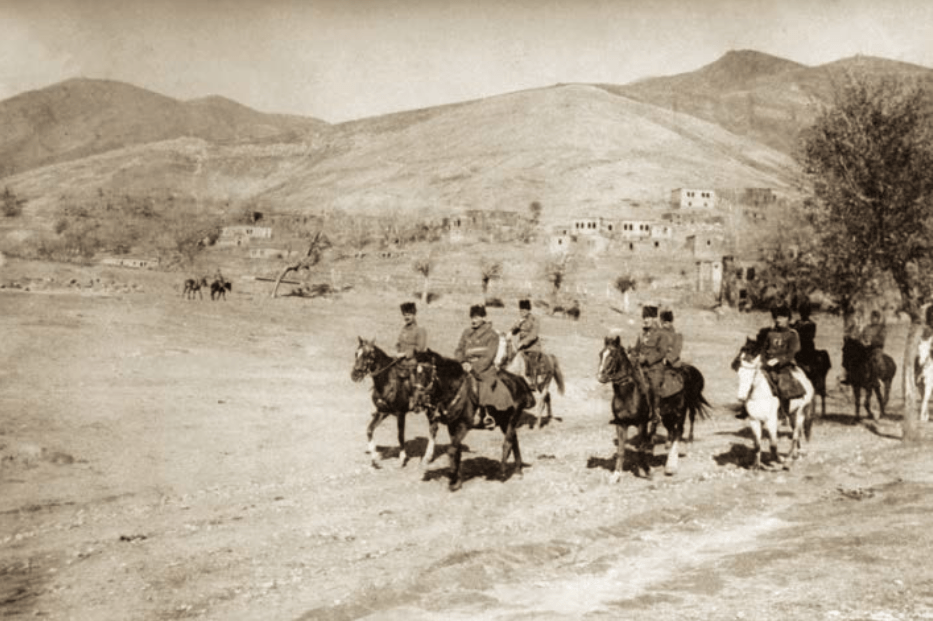
In March 1916 he reached Diyarbekir. Soldiers who had come from the hot trenches of Gallipoli would now fight in mountain passes, amid snow and hunger. The units were under strength, transport was on the backs of animals, and epidemics took more lives than the enemy.
A pasha at thirty-five
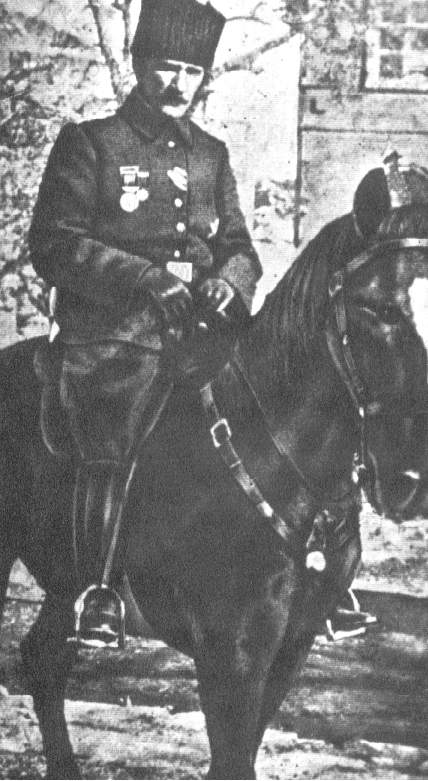
On 1 April 1916 he was promoted to mirliva, that is, brigadier general. From then on everyone would call him “Mustafa Kemal Pasha”.
This rank was a belated recognition of the success he had shown at Gallipoli. But in the East there was no time to celebrate it. The month of April passed in meeting Russian attacks in the corps’ sector.
Most of his soldiers were exhausted, their uniforms worn out. Their commander asked of them no more than what he himself endured: to hold on.
Two cities in a dark year
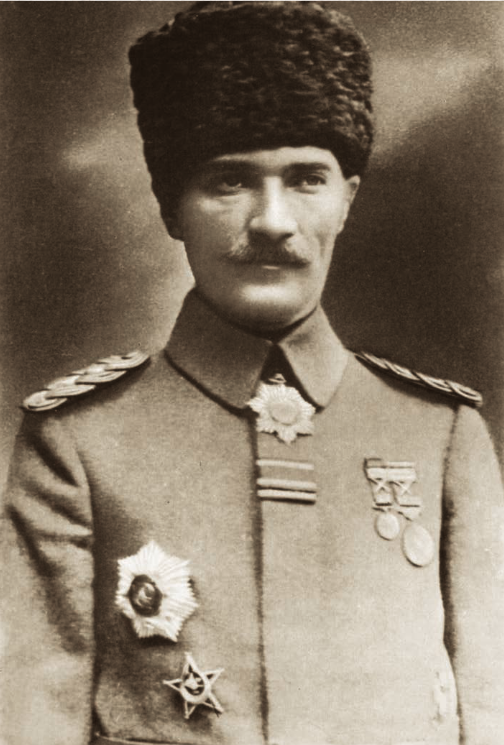
In the first days of August 1916 the 16th Corps went into action. On 7 and 8 August Bitlis and Muş were retaken from the Russian army.
This success was the only heartening news to come from the East that year. In a year in which Erzurum, Trabzon and Erzincan had fallen, the recapture of two cities was greeted at the front and in Istanbul like a deep breath.
But the joy did not last long. The Russian army soon counter-attacked and Muş was lost again. Under the weight of winter and exhaustion, the front fell still.
In these months Mustafa Kemal Pasha kept a diary. Its pages hold his thoughts on the misery of the soldiers, the inadequacy of supplies and the disorder in the chain of command. What he saw deeply affected his convictions about the strength of the empire.
The 2nd Army
In March 1917 he was first made acting commander of the 2nd Army, and a few days later its commander. For a young pasha it was a great responsibility.
In the same days Baghdad fell to the British. In Russia, meanwhile, revolution had broken out, and the fighting strength of the Russian army was beginning to dissolve. As the eastern front grew quiet, the empire’s real danger was growing in the south, in Iraq and in Palestine.
In Istanbul it was decided to form a large army group against this danger. Mustafa Kemal Pasha’s road would turn south once more, to Syria.
Yıldırım and a German field marshal
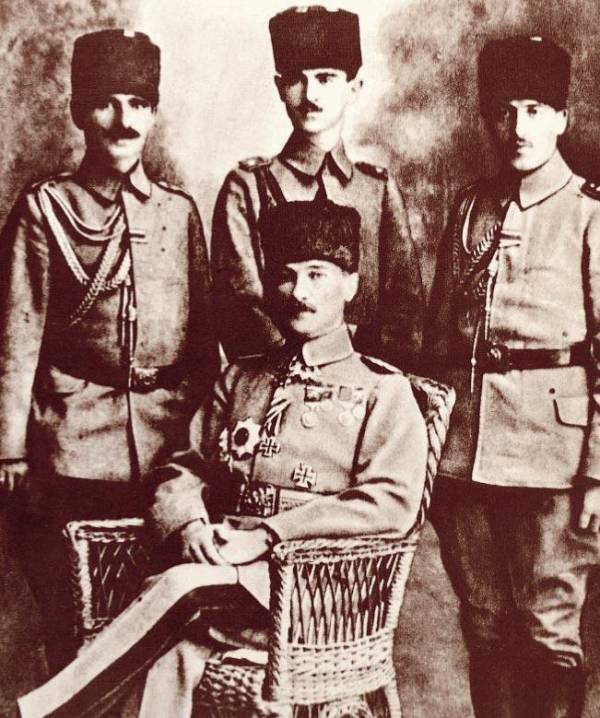
In the summer of 1917 the “Yıldırım Army Group” was formed with the aim of retaking Baghdad. On 5 July 1917 Mustafa Kemal Pasha was appointed commander of the 7th Army within this group.
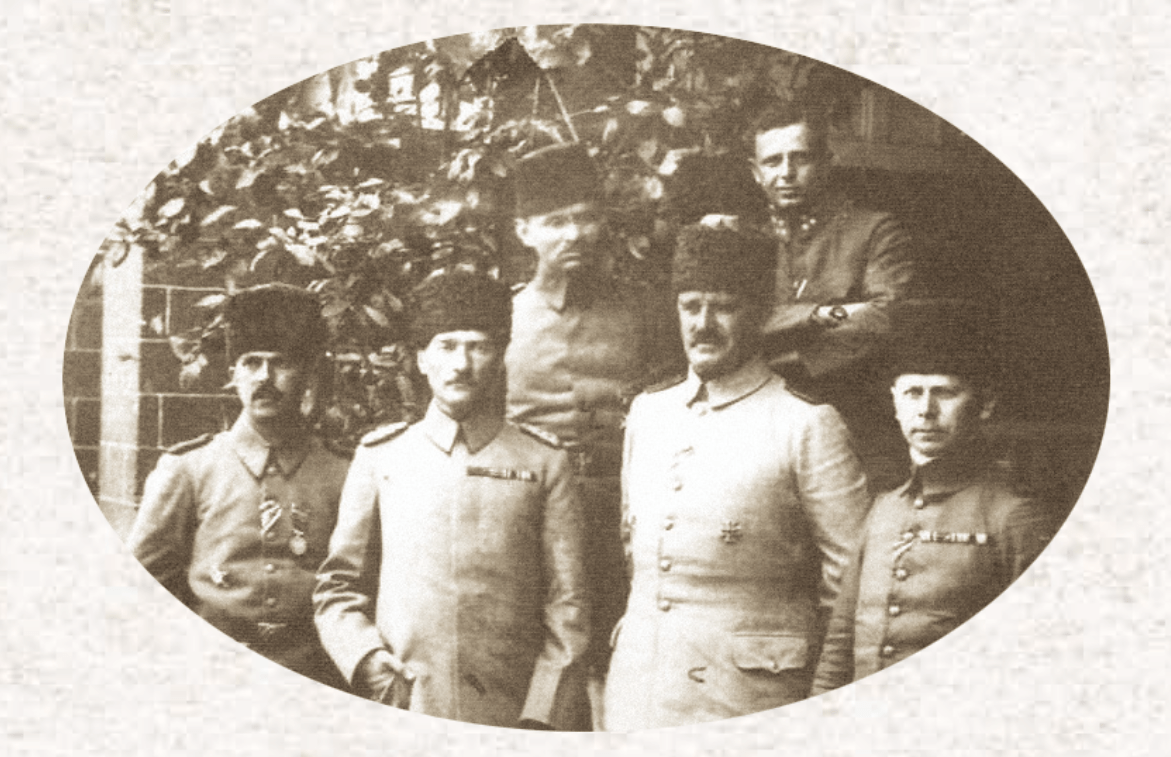
At the head of the army group was the German Field Marshal Erich von Falkenhayn. German officers dominated the headquarters; decisions were often taken without consulting the Turkish commanders.
Mustafa Kemal Pasha objected to this arrangement from the start. In his view the army’s strength was not enough for a Baghdad campaign; the real danger lay on the Palestine and Syria front. Moreover, he did not think it right that the fate of the Turkish soldier should be tied to the plans of a foreign commander who did not know the country.
A report and a resignation
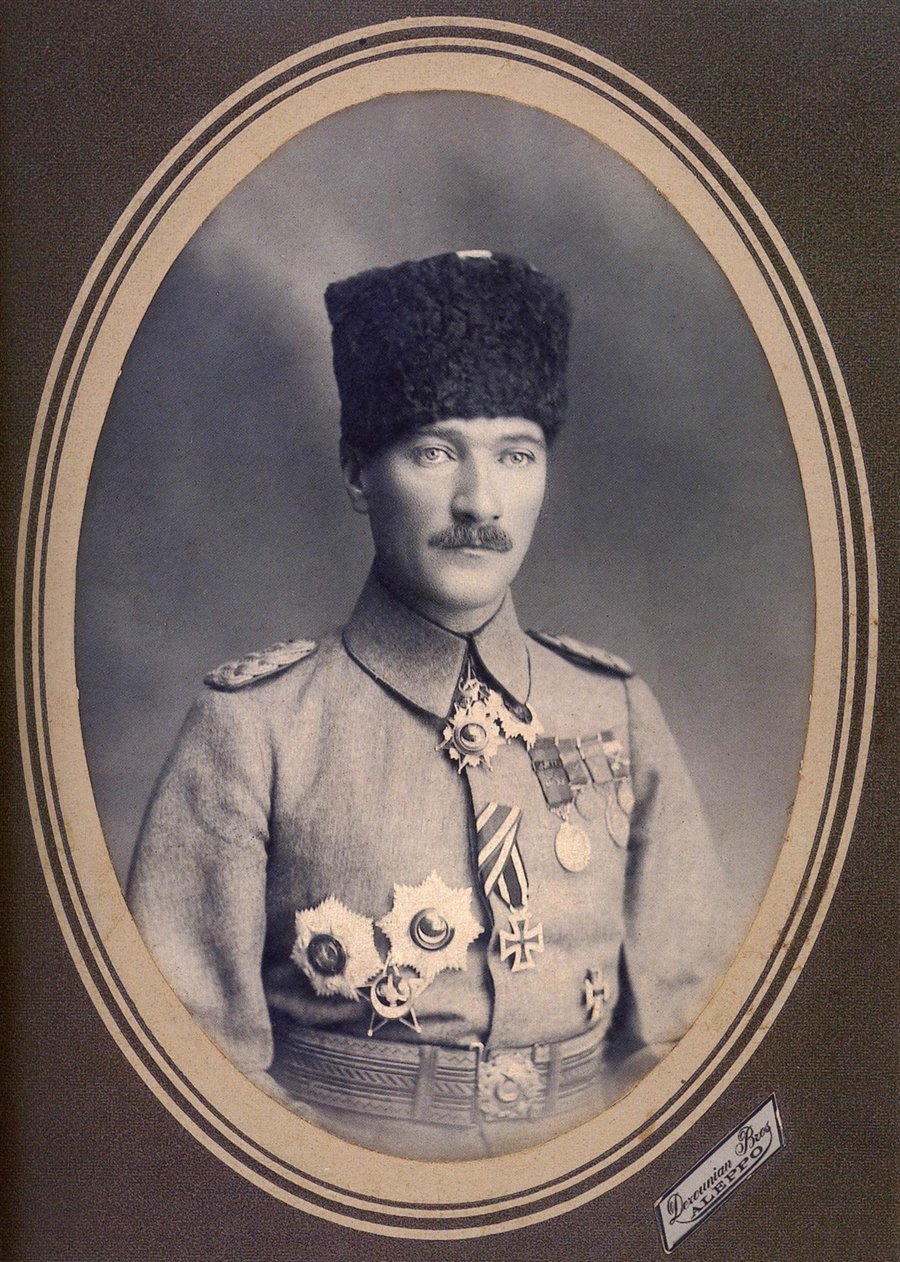
On 20 September 1917 he sent from Aleppo to Istanbul a long report describing the state of the country and the army with complete frankness.
In the report he wrote that the people were worn out by the war, that the villages had emptied, that the administration of the state was coming apart. The army’s strength was far below the figures on paper. He asked that the Baghdad campaign be abandoned, that the forces at hand be gathered to defend Syria, and that decisions remain in the hands of Turkish commanders.
The report was ignored. At the beginning of October, on 6 October 1917, Mustafa Kemal Pasha wrote to the Deputy Commander-in-Chief Enver Pasha, informing him that he was leaving the command of the 7th Army, and returned to Istanbul.
How right he had been soon became clear. In December 1917 Jerusalem fell to the British.
A journey with the crown prince
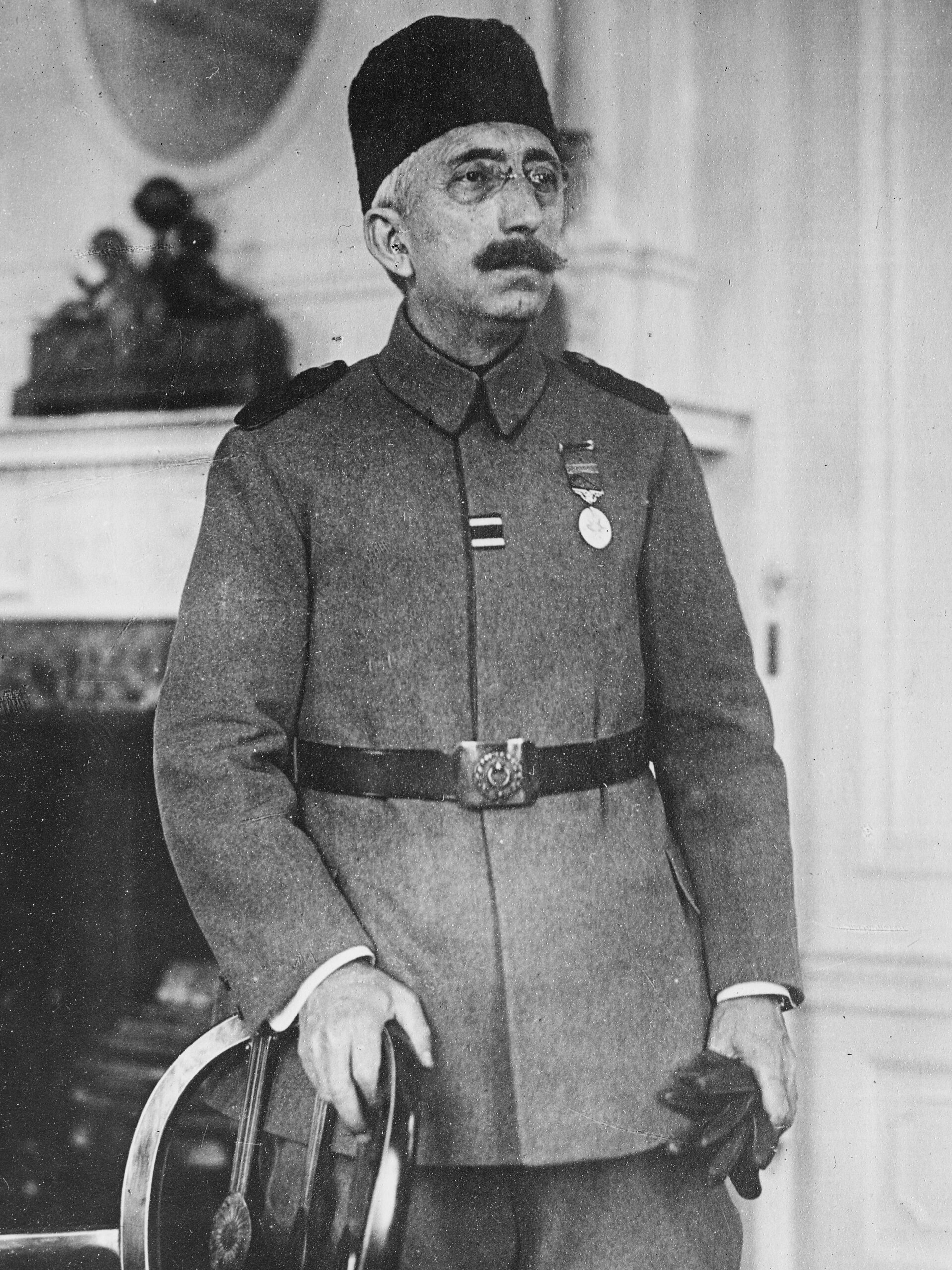
On 15 December 1917 he set out with the delegation accompanying Crown Prince Vahdettin Efendi on his visit to Germany.
In Germany the delegation was received by Emperor Wilhelm II; there were talks with Hindenburg and Ludendorff, and a tour of the Western Front. Mustafa Kemal Pasha asked the German commanders frank questions about the course of the war, and from the answers he received he concluded that victory was not as near as was believed.
The journey also gave him the chance to talk at length with the man who would later become sultan. It is said that he advised Vahdettin, once he came to the throne, to take command of the armies himself and to change the leadership running the war. The delegation returned to Istanbul at the beginning of January 1918.
The Karlsbad notebook
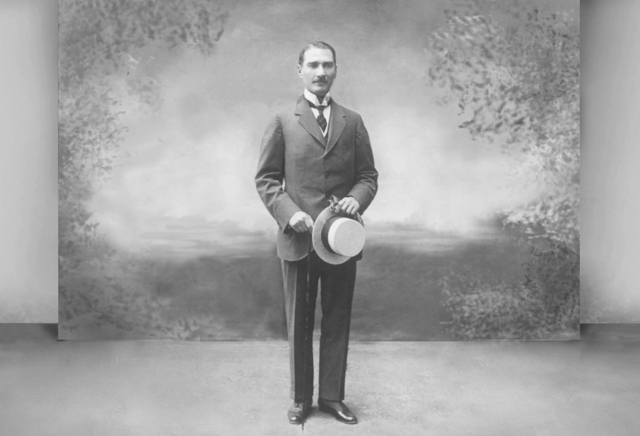
After his return from Germany his kidney ailment grew worse. At the end of May 1918 he went to Vienna for treatment, and from there, on 30 June, to the Bohemian spa town of Karlsbad.
In Karlsbad, perhaps for the first time in his life, he spent a few weeks far from war. In the mornings he drank the spa water, went for walks, read books in French and German, and took German lessons.
The notebook he kept in these days, published by Afet İnan, is known as the “Karlsbad Memoirs”. Alongside notes on the books he read, it holds his thoughts on the future of the country: the education of the people, the place of women in society, the changing of old habits. He writes that if he had the authority, he would make great changes in society without waiting at all.
These lines, written amid pain and sorrow, are like a first draft of the reforms that would be made years later.
While Mustafa Kemal Pasha was in Karlsbad, Sultan Mehmed Reşad died on 3 July 1918. The next day Vahdettin came to the throne as Mehmed VI. Shortly afterwards Mustafa Kemal Pasha was called back to Istanbul.
The 7th Army once more
On 7 August 1918 he was appointed commander of the 7th Army for the second time. He had not yet fully recovered. At the beginning of September he took up his post in Palestine, at his headquarters near Nablus.
The Yıldırım Army Group was now headed by Field Marshal Liman von Sanders. But the state of the front was even worse than he had described in his report a year earlier. Desertions had multiplied, units had melted away, and the British army had become many times superior in both men and materiel.
On 19 September 1918 the great British offensive began. Within a few days the front collapsed. Mustafa Kemal Pasha’s task was no longer victory, but saving what remained of the army.
The long retreat
From south of Damascus the units withdrew northwards, hundreds of kilometres. At the beginning of October the headquarters moved to Aleppo.
Mustafa Kemal Pasha tried to gather and reorganise the scattered units. Four centuries of Ottoman lands were being lost one by one: Jerusalem, Damascus, Beirut. Every city the Turkish soldiers left behind was a place to which there would be no return.
On 25–26 October 1918 the British forces entering Aleppo were resisted, and then a line was held north of the city. The British advance was halted here. Years later, this line would become the outline of Turkey’s southern border.
The armistice
On 30 October 1918, in Mudros Harbour on the island of Lemnos, aboard a British warship, the armistice was signed. For the Ottoman State, the First World War had ended in defeat.
In the same days, in Adana, Mustafa Kemal Pasha took over command of the Yıldırım Army Group from Liman von Sanders. The more he read the articles of the armistice, the more his concern grew. Article 7 of the agreement gave the victorious powers the right to occupy any strategic point should a situation arise that threatened their security.
When troops were to be landed at Alexandretta (İskenderun), he objected and wrote to Istanbul that this should not be accepted. But on 7 November 1918 the Yıldırım Army Group was dissolved; he himself was called to Istanbul, at the disposal of the Ministry of War.
Years later he would begin the Nutuk (the Great Speech) by describing those days in this way:
“The group of Powers which included the Ottoman State had been defeated in the Great War, the Ottoman army had been crushed on every front, and an armistice with severe conditions had been signed.”
Nutuk, 1927 · opening
The ships in the Bosphorus
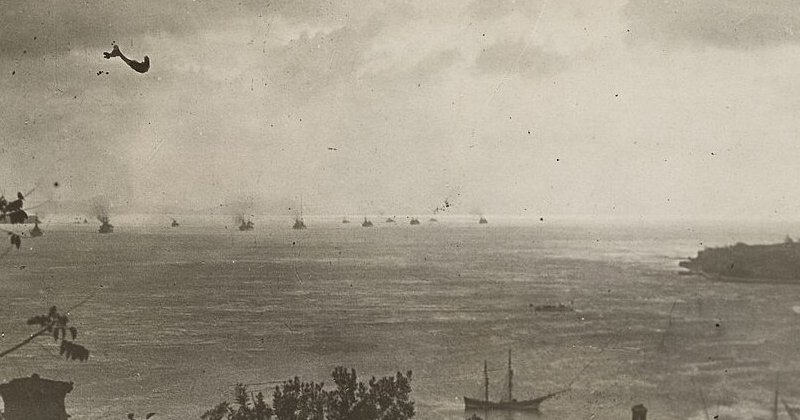
On 10 November he boarded a train in Adana. When he reached Haydarpaşa on 13 November 1918, a foreign fleet lay at anchor before Istanbul.
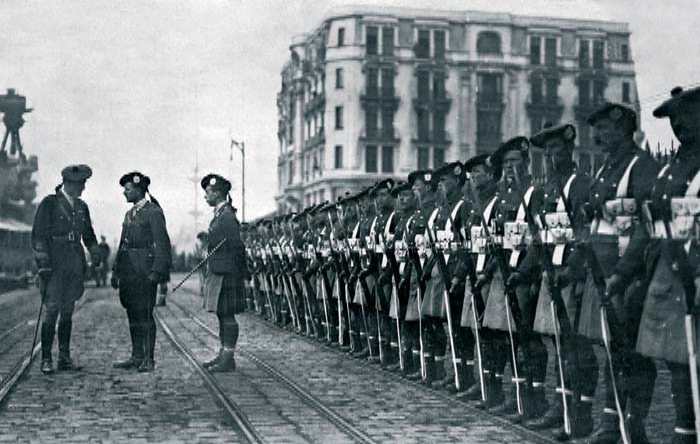
British, French, Italian and Greek warships had entered the Bosphorus one after another. The fleet that had not been allowed to pass at Gallipoli three years earlier now lay before the capital by the terms of an armistice.
At Haydarpaşa, while speaking with those beside him, he said a short sentence in a firm and resolute voice: “As they came, so they shall go.”
On that day these words seemed like a plan to no one. They might have been taken for the consoling words of a weary pasha of a defeated army. But the man who said them would carry this sentence as a decision.
“As they came, so they shall go.”
13 November 1918, Haydarpaşa · As recounted by his aide-de-camp Cevat AbbasA city under occupation
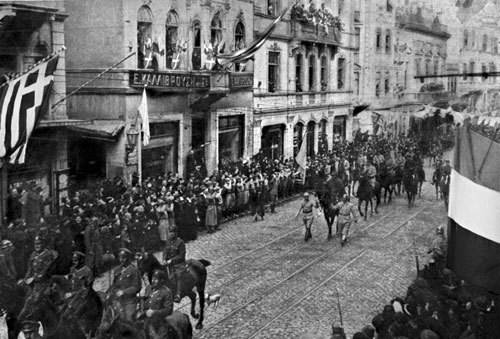
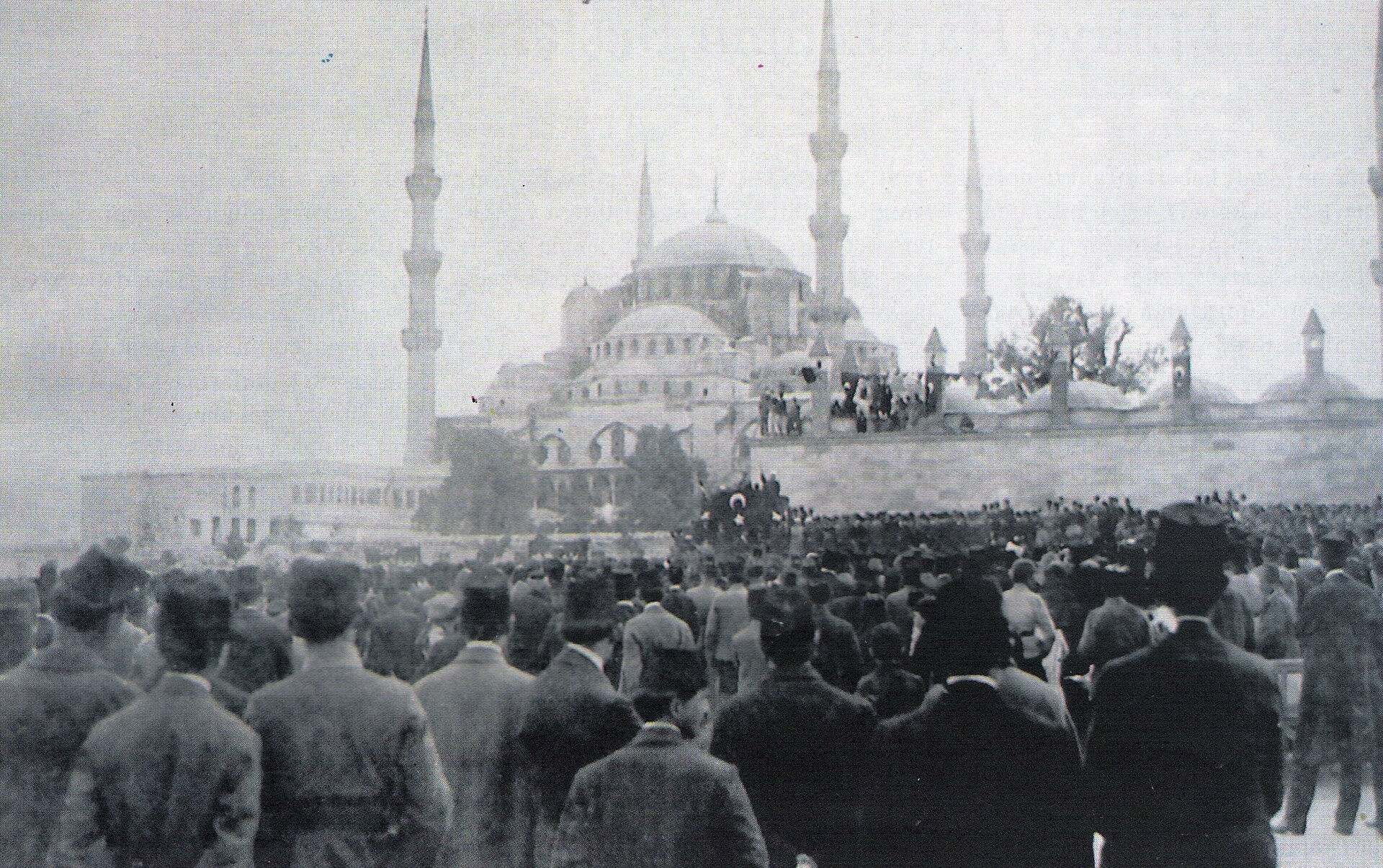
When he returned to Istanbul he stayed for a while at the Pera Palace Hotel. The Beyoğlu he looked out on from the window was now a street where occupation soldiers marched.
On 15 November he was received by Sultan Vahdettin. Together with his friend Fethi Bey (Okyar) he supported the founding of a newspaper called “Minber”. He sought ways to take a post in a new government and to stop the occupation.
But the more he saw that politics in Istanbul offered no way out, the more his hope faded. Parliament was dissolved; governments changed one after another. In the city, some sought salvation in the protection of a great power, while others chose silence.
“Through the long years of the Great War, the nation is weary and poor.”
Nutuk, 1927 · describing the situation in 1919
The house in Şişli
In December 1918 he rented a three-storey house in Şişli. His mother Zübeyde Hanım and his sister Makbule also moved into this house.
All winter the house was a place of quiet but intense meetings. Comrades-in-arms, former front commanders, officers and intellectuals came and went here in the evenings. The question discussed was always the same: How is this country to be saved?
Talks continued with figures such as Ali Fuat (Cebesoy), Rauf (Orbay) and Kâzım Karabekir. In April 1919 Kâzım Karabekir Pasha went to take command of the 15th Corps in Erzurum. The forces on which liberation in Anatolia would rest were slowly taking shape.
The house in Şişli was bought by the Istanbul Municipality in 1928 and can be visited today as the Atatürk Museum. It is said that he also called İsmail Hakkı Bey, the captain of the steamer that would take him to Samsun, to this house to learn about the voyage.
Inspector of the 9th Army
On the grounds that security had broken down on the Black Sea coast, especially around Samsun, the British were pressing the Istanbul government. The government decided to send an authorised commander to restore order in the region.
On 30 April 1919 Mustafa Kemal Pasha was appointed Inspector of the 9th Army. His area of duty covered a vast region stretching from the eastern and central Black Sea to Erzurum, Sivas and Van. While his instructions were being drawn up, he took care that his powers were kept broad: he would be able to give orders to the military units in the region and to correspond directly with the civil administrators.
On paper his task was to keep public order and to collect weapons. What he had in mind, however, was to cross into Anatolia and call on the nation to take its fate into its own hands.
The news from Izmir
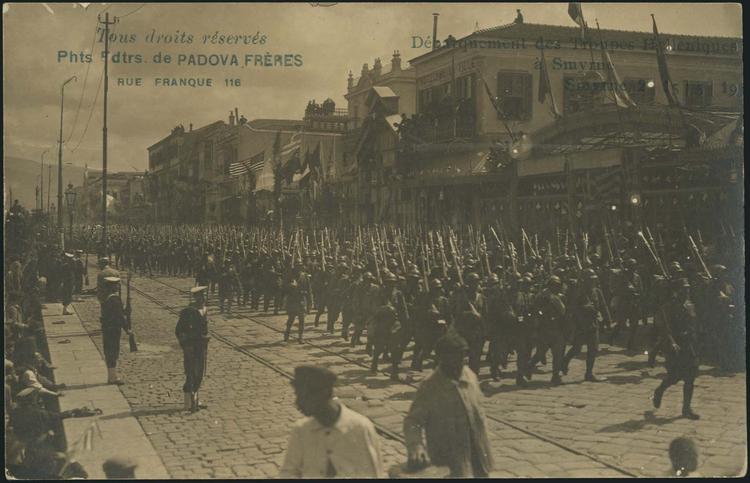
On the morning of 15 May 1919 Greek troops landed at Izmir under the protection of the Allied fleet.
The journalist Hasan Tahsin, who is held to have fired the first shot, fell on the spot. Many soldiers who refused to surrender in the barracks, and many civilians, lost their lives that day. Colonel Fethi Bey (Süleyman Fethi) was among those bayoneted to death.
When the news reached Istanbul, the city was deeply shaken. This was the gravest of the occupations since the armistice; the matter was no longer the temporary holding of a few cities, but the dismemberment of Anatolia.
Mustafa Kemal Pasha was one day away from setting out.
The last night
On his last day in Istanbul the preparations were completed. The staff officers who would go with him had been chosen, the belongings packed.
Before leaving he was received by Sultan Vahdettin. In those same days there was talk that the British might want to stop him, that his appointment might be withdrawn at the last moment. The journey would be made quietly, without ostentation.
His mother and sister stayed behind in the house in Şişli. No one knew how long this journey would last. Zübeyde Hanım was seeing her son off once more to a distant front; but this time the front had no name.
Years later, in the Nutuk, he would fit the whole weight of those days into a single sentence.
“Gentlemen, in the face of this situation, there was only one decision.”
Nutuk, 1927 · The sentence continues: to found a new, unconditionally and absolutely independent Turkish state, resting on national sovereignty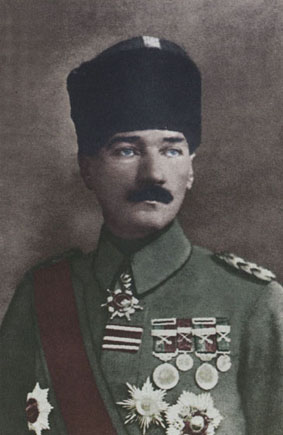
Bandırma
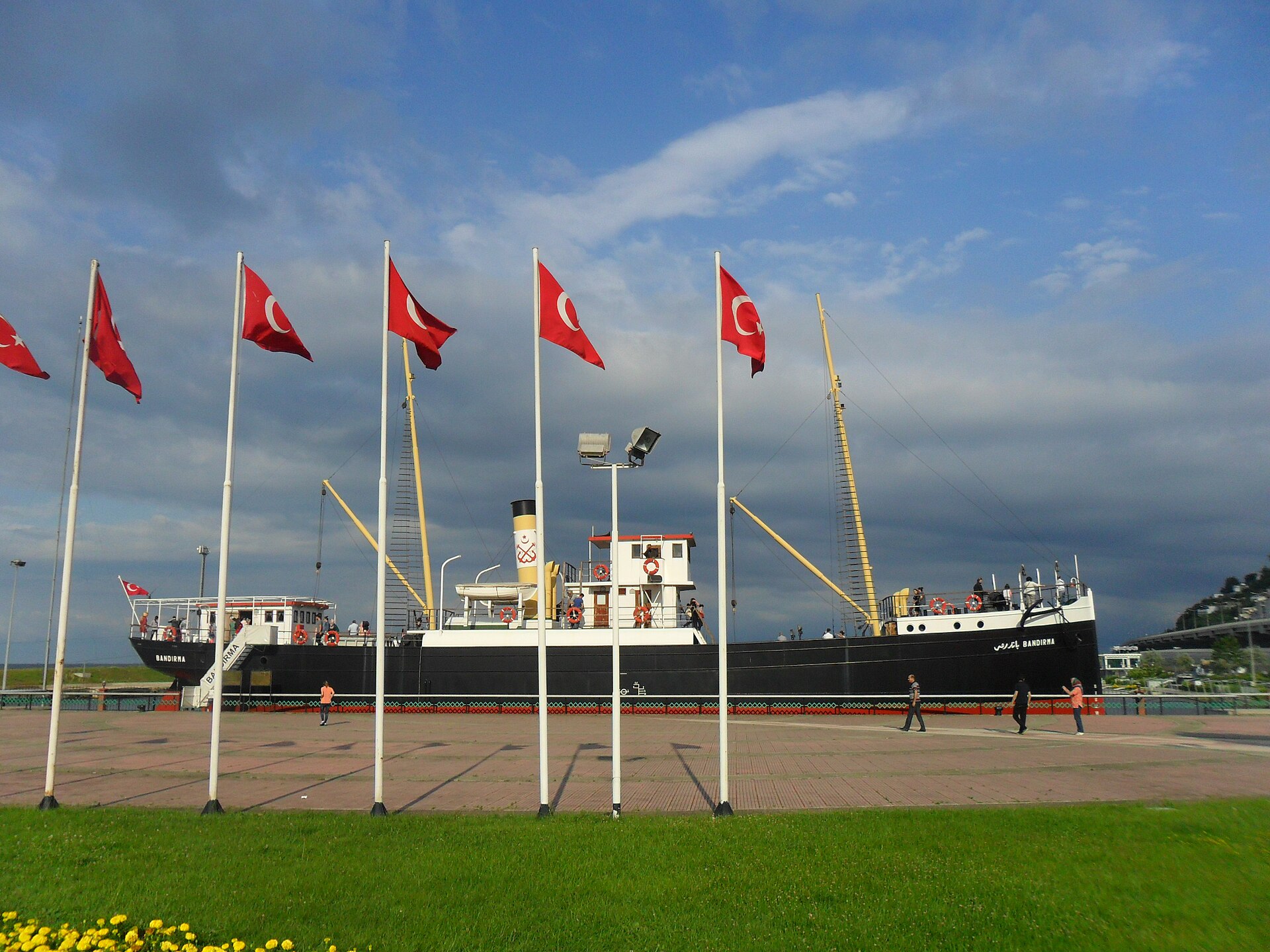
On 16 May 1919 an old and weary cargo steamer, the Bandırma, commanded by Captain İsmail Hakkı Bey, left Istanbul.
On deck were Mustafa Kemal Pasha and the staff officers accompanying him. The steamer passed through the Bosphorus and out into the Black Sea. Behind them remained the city where the occupation ships lay at anchor, the squares preparing for rallies, the house in Şişli.
He was thirty-eight years old. He had seen the collapse of an empire from front to front: the snow of the East, the desert of Syria, the foreign ships before Haydarpaşa. Now he had nothing in his hands but an inspector’s commission, a handful of friends and a decision.
The steamer was heading north, towards the dark waters of the Black Sea. Three days later it would reach Samsun.