In the spring of 1919 the Ottoman State had emerged defeated from the war. Under the Armistice of Mudros the armies were being disbanded, weapons collected, and foreign warships lay at anchor, waiting, in the waters of Istanbul. On 15 May Izmir was occupied. For many people the matter was now over; all that remained was to decide under which power’s protection to place themselves.
A thirty-eight-year-old pasha thought otherwise. This page tells of four years in the life of him and of the nation that walked with him: a road that ran from a steamer voyage to the shore of the Mediterranean.
An old steamer
Mustafa Kemal Pasha was being sent to Anatolia as Inspector of the 9th Army Troops. On paper his task was to keep public order and to oversee the collection of weapons.
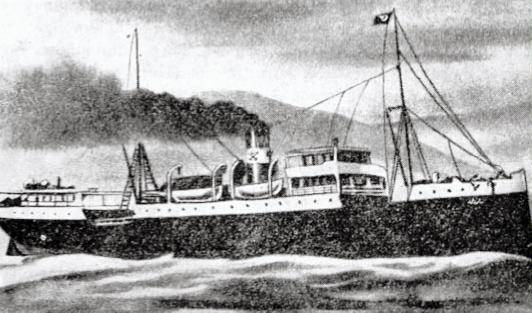
On 16 May 1919, with the small staff accompanying him, he boarded the steamer Bandırma. The steamer was old and weary; on its way across the Black Sea it kept close to the shore. Most of those on deck sensed that they had set out on a journey from which there was no turning back.
The day before, troops had been landed at Izmir. The pain of the news was in everyone aboard.
I landed at Samsun
Eight years later, recounting these years from the rostrum of the party congress, he would begin his long speech with a single plain sentence.
“On the 19th day of May in the year 1335, I landed at Samsun.”
Nutuk · 1927 · first sentence
The Rumi year 1335 meant 1919 in the Gregorian calendar. In Samsun his first task was to examine the situation; he wrote reports and communicated with the commanders in the surrounding area. The picture he saw was grim: the army had been dispersed, the people were poor and dispirited, news of occupations followed one after another.
But within the same picture there was also a spark. All over Anatolia people were gathering of their own accord, trying to defend their rights through associations they called “müdafaa-i hukuk” (defence of rights). What was missing was a will that could turn these scattered voices into a single voice.
It is said that, years later, when people asked him his birthday, he pointed to this day. 19 May came to be regarded as the rebirth both of a life and of a nation.
Raise your voice, Anatolia
After a week in Samsun he moved inland, to Havza. In this small town far from the coast he could act more freely.
From Havza, telegrams went out to governors, commanders and the defence-of-rights associations. In these messages he asked that the occupations be protested everywhere with rallies, and that the voice of the nation be made heard by the world. Within a short time, in many cities of Anatolia, the people came out into the squares.
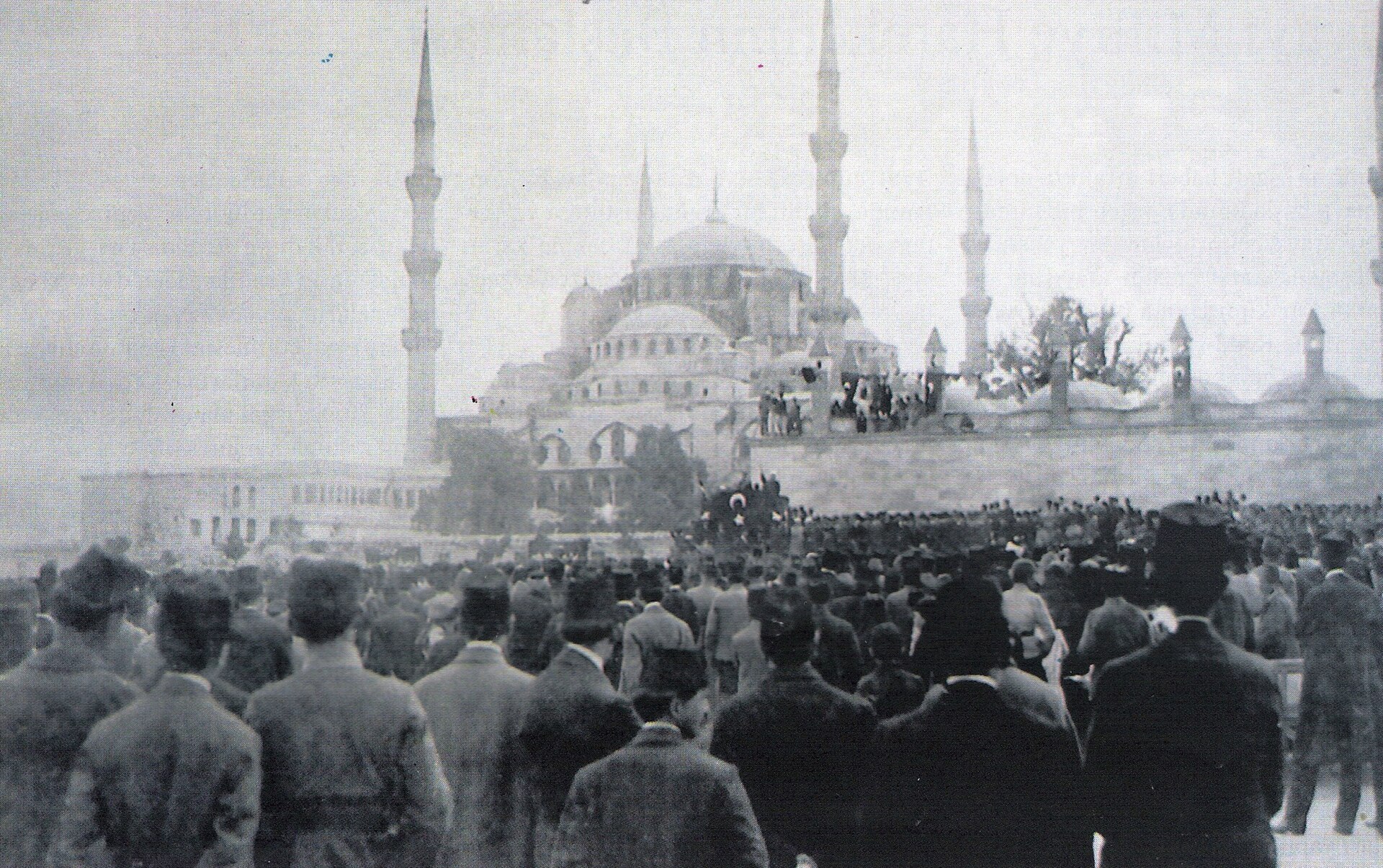
Istanbul was not silent either. In the last days of May tens of thousands gathered in Sultanahmet Square. One of those who spoke before the crowd was the writer Halide Edib.
Taking the rostrum in Sultanahmet, Halide Edib told the crowd that governments might abandon this nation, but that the conscience of nations would in the end make its voice heard; she said that salvation was to be sought not at foreign doors, but in the nation’s own heart. (Summarised from her speech.)
One night, one circular
On 12 June he arrived in Amasya. On the night of the 21st to the 22nd, he dictated a circular to his aide-de-camp Cevat Abbas Bey.
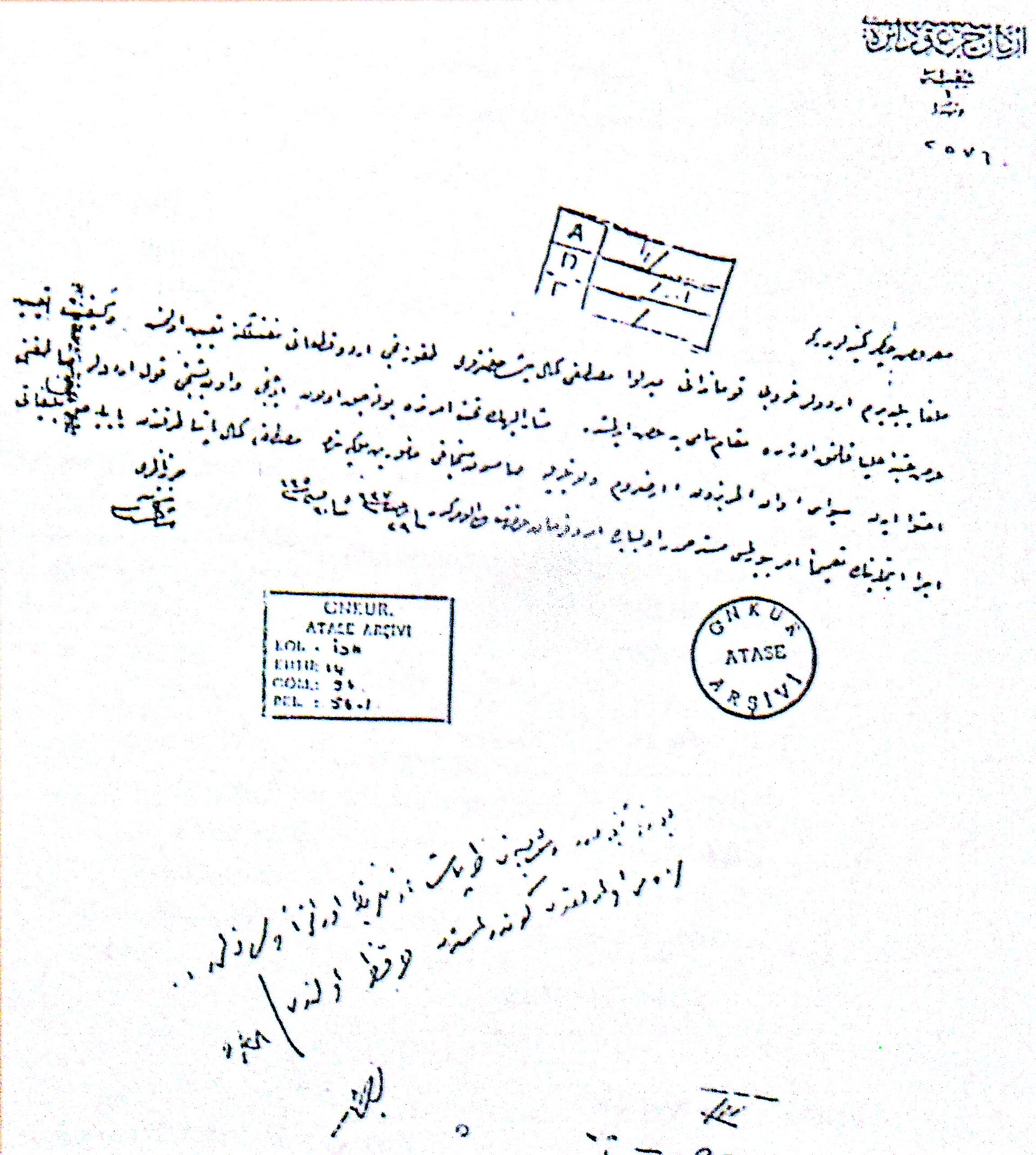
The text was short, but each of its articles was a decision. The integrity of the homeland and the independence of the nation were in danger. The government in Istanbul was unable to fulfil its responsibility. Therefore a national body, free from all pressure, was needed to consider the nation’s situation and to make its voice heard by the world. To this end a congress would be held in Sivas, and trusted representatives from every sanjak (district) would set out in secret.
The most remembered sentence of the circular was the essence of the whole National Struggle: salvation would not come from outside.
The circular was signed with the approval of Rauf Bey, Ali Fuat Pasha and Refet Bey as well; Kâzım Karabekir Pasha also announced by telegram that he joined it. This was now a step from which there was no turning back.
“The independence of the nation will once again be saved by the nation’s own determination and resolve.”
Amasya Circular · 22 June 1919The pasha who took off his uniform
The Istanbul government was recalling him, warning that he would be removed from his post if he did not obey its orders. Mustafa Kemal had to make a choice.
On 3 July he arrived in Erzurum. On the night of the 7th to the 8th he announced by telegram that he was resigning first from the inspectorate and then from the army. In a single night he left behind the uniform he had worn for twenty years since the War College, and the meaning of Gallipoli, of Anafartalar, of all his ranks.
He was no longer an army commander but, in his own words, a member of the nation. He would draw his strength not from an office, but solely from the trust the people placed in him.
The most meaningful answer of that night came from the Commander of the 15th Corps, Kâzım Karabekir Pasha: he announced that he and the units under his command were at Mustafa Kemal’s orders. The people of Erzurum, too, stood by him in the days after his resignation.
Mandate and protectorate cannot be accepted
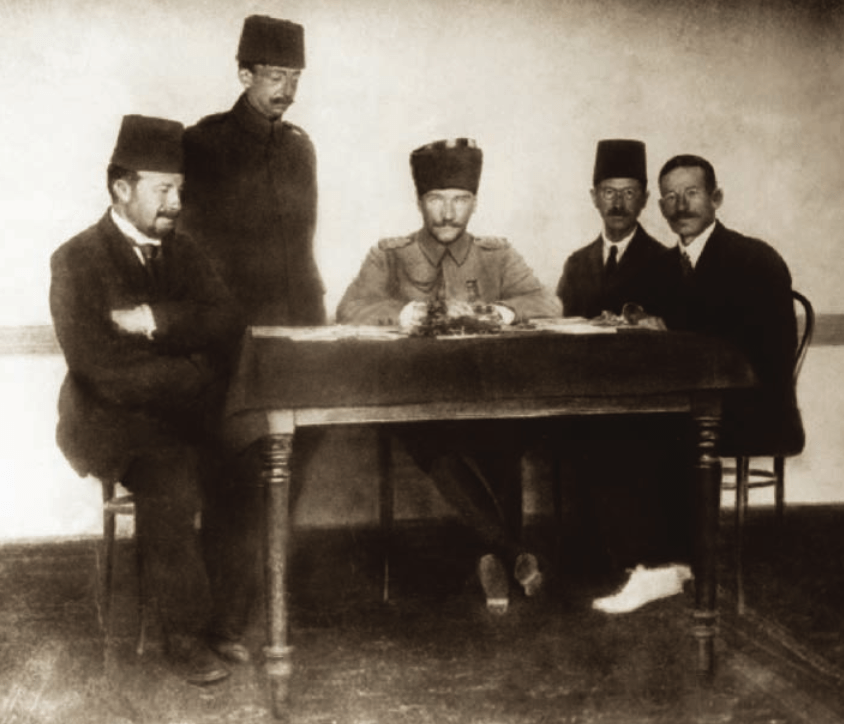
The representatives of the eastern provinces gathered in a school building. The congress elected as its chairman Mustafa Kemal, who had come as a civilian.
The decisions taken at the end of fourteen days of debate were the map of the whole road ahead. The homeland within the national borders was a whole and could not be divided. The nation would resist together against every occupation and intervention. If the Istanbul government could not ensure this, a provisional government would be formed.
And to the most disputed question of those days, the question of whose protection to accept, a firm answer was given: no one’s. The principle “Mandate and protectorate cannot be accepted” was written into the congress’s decisions.
At the end of the congress a Heyet-i Temsiliye (Representative Committee) was elected; at its head was Mustafa Kemal.
The whole country under one roof
Erzurum was the voice of one region. Sivas became the voice of the whole country.
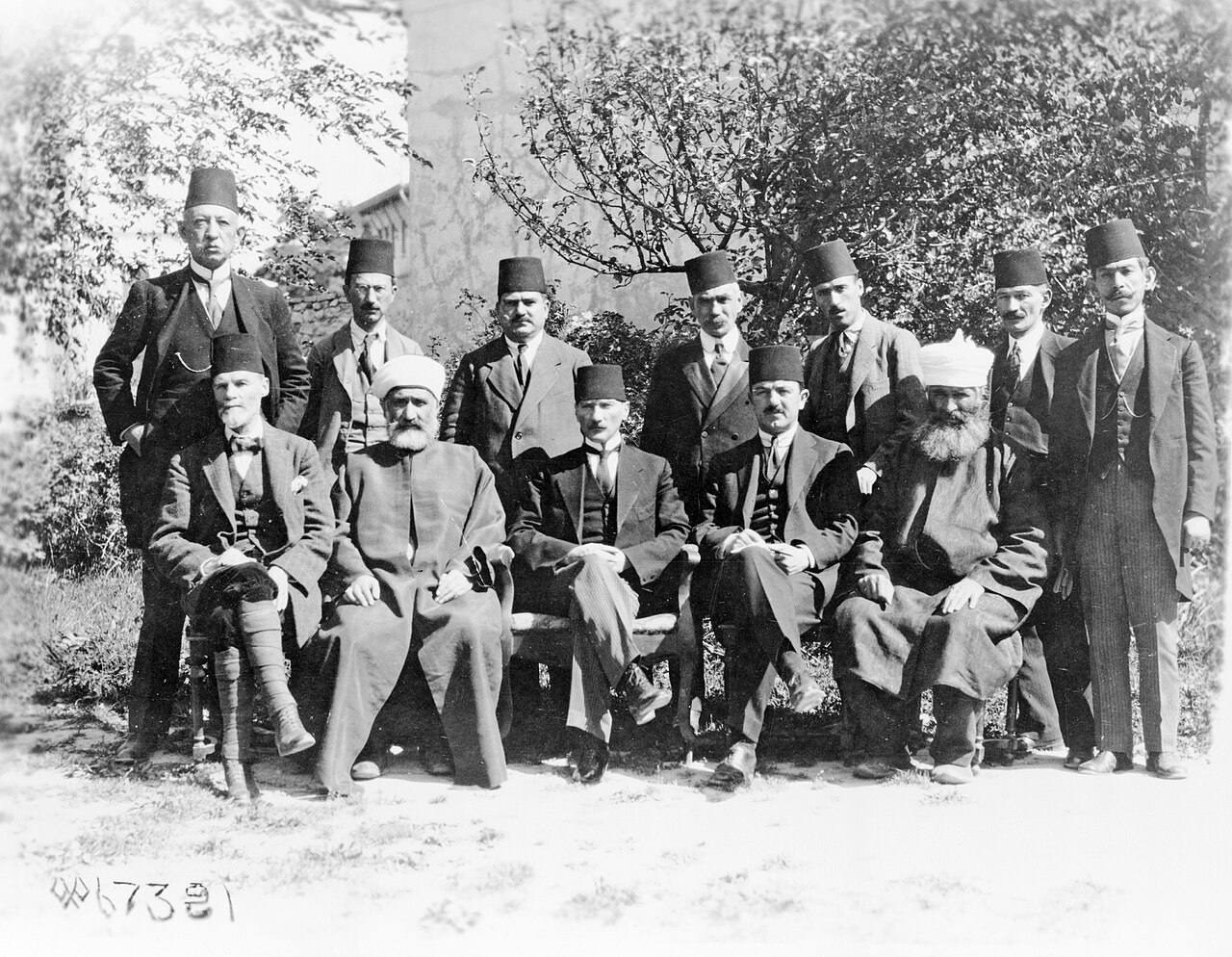
The delegates came from different corners of Anatolia and Rumelia, sometimes hiding from the gendarmerie, sometimes travelling for days on horseback. At the congress an American mandate was debated once more, and once more rejected.
All the defence-of-rights associations were united under the name “Anadolu ve Rumeli Müdafaa-i Hukuk Cemiyeti” (Association for the Defence of the Rights of Anatolia and Rumelia). The Representative Committee came to represent the whole country. The scattered resistance was now a single organisation.
After Sivas, the government of Damat Ferit Pasha in Istanbul fell. The movement in Anatolia had grown into a force able to influence the decisions of the capital.
A town on the steppe
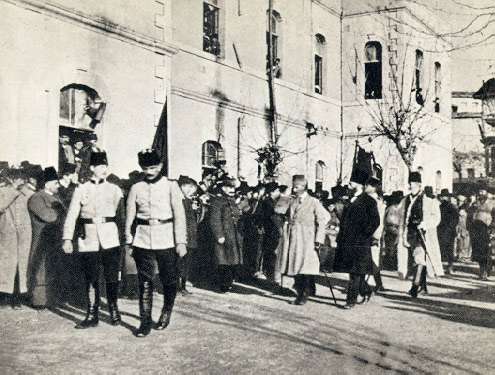
In the middle of winter the Representative Committee arrived in Ankara. The town welcomed them with drums and zurnas (shawms), with its efes and seymens (local volunteers in traditional dress).
Ankara at that time was a small, poor town on the steppe. Houses with earthen roofs, narrow streets, a citadel and a railway station. But the railway passed through here; it was far enough, and near enough, from both the front and Istanbul.
Mustafa Kemal chose this town as his centre. No one on that day could have guessed that this dusty town would, a few years later, become the capital of a new state.
The capital is occupied
In January 1920 the last Ottoman Chamber of Deputies, meeting in Istanbul, had proclaimed the nation’s minimum conditions under the name “Misak-ı Millî” (the National Pact). The answer of the Allied Powers came two months later.
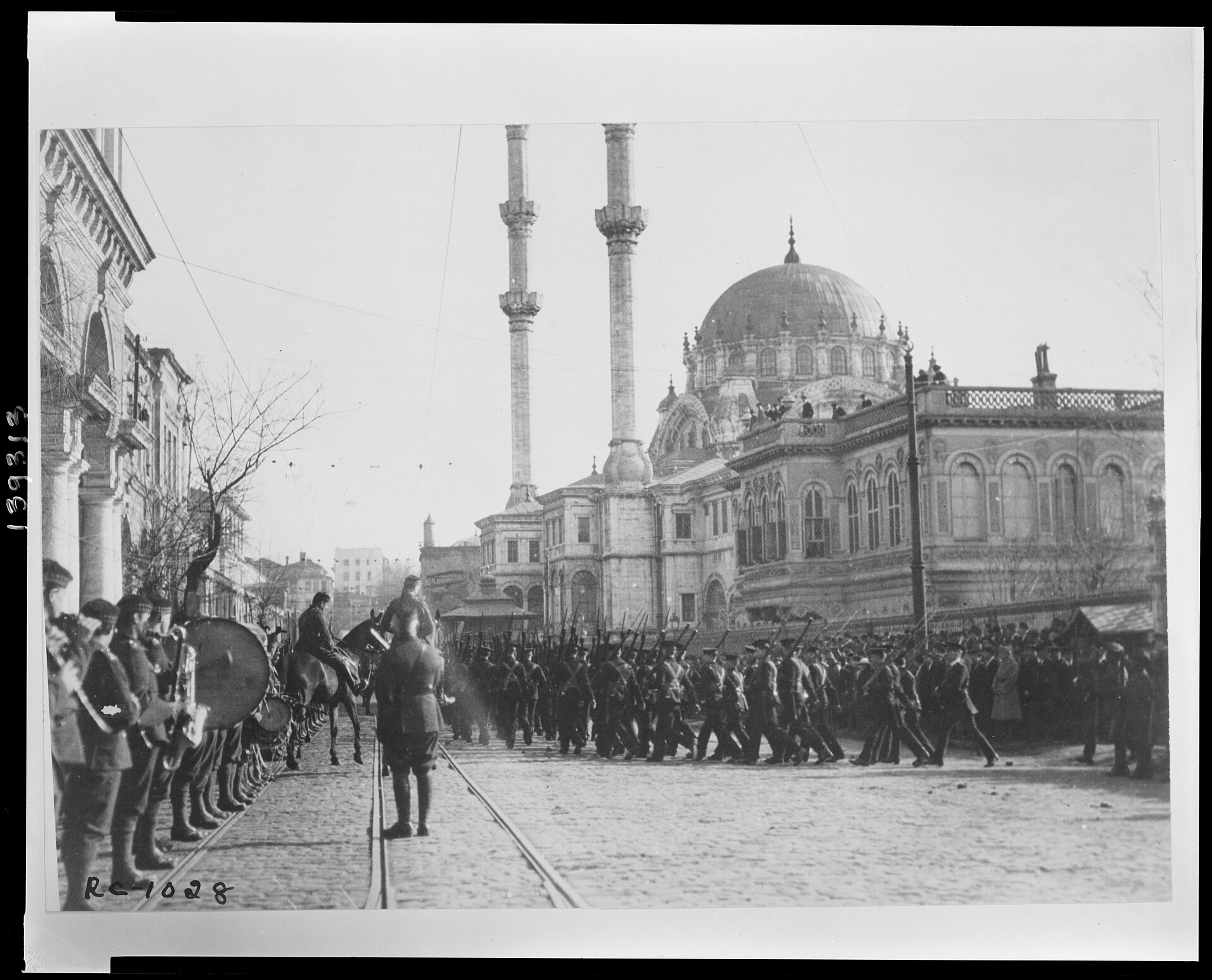
On the morning of 16 March 1920 British troops officially occupied Istanbul. The guardhouse at Şehzadebaşı was raided, and Turkish soldiers lost their lives in their sleep. Deputies were arrested; some of them were sent into exile on Malta. The Chamber closed its doors.
That day Mustafa Kemal followed the news at the telegraph, minute by minute. And out of this dark day he drew a decision that looked ahead: since no assembly remained in Istanbul to speak in the nation’s name, that assembly would meet in Ankara.
The nation’s assembly
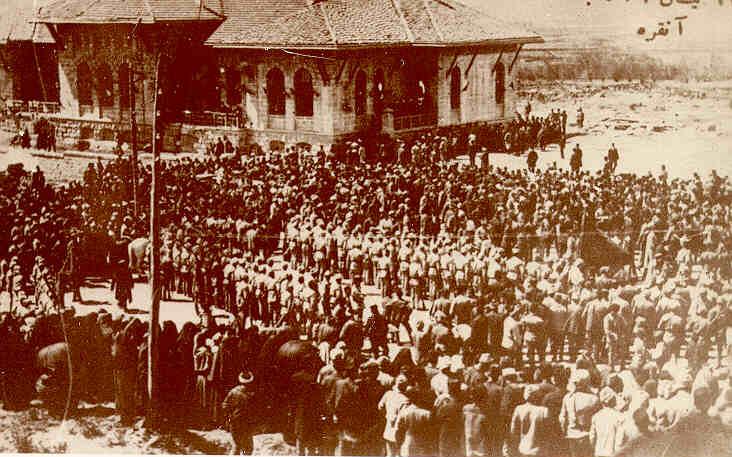
In a small building opposite the Taşhan, after the Friday prayer, the Grand National Assembly opened.
School desks had been placed in the hall. Oil lamps were used for light. Some of the deputies had come fleeing from Istanbul, others from the far corners of Anatolia on horseback and by ox-cart. Religious teachers, officers, tribal chiefs, schoolteachers and merchants sat side by side.
The next day Mustafa Kemal was elected President of the Assembly. From this moment on, the National Struggle was the cause not of a commander or of an association, but of an assembly elected by the nation.
The first article of the first constitution, adopted by the Assembly in January 1921, the Teşkilât-ı Esasiye Kanunu (Law on Fundamental Organisation), says “Hâkimiyet bilâ kayd ü şart milletindir” (“Sovereignty belongs to the nation without reservation or condition”). In later years this sentence was written on the wall of the Assembly hall; it is still there today.
Sentenced to death in absentia
The government in Istanbul regarded the movement in Ankara as a rebellion.
By a fatwa of the Şeyhülislam (the highest religious authority), those who joined the Kuvâ-yı Milliye (National Forces) were declared to have left the faith. Then the military court in Istanbul sentenced Mustafa Kemal and his closest companions to death in absentia; the sentence became final in May 1920 with the sultan’s approval.
In Anatolia, meanwhile, many religious scholars, led by the mufti of Ankara, issued counter-fatwas. The country had come to be governed from two separate centres. On one side was the palace, on the other the Assembly; within, uprisings, and in the west, the advancing Greek army.
Even in these loneliest days of his life, Mustafa Kemal did not step back.
A death on paper
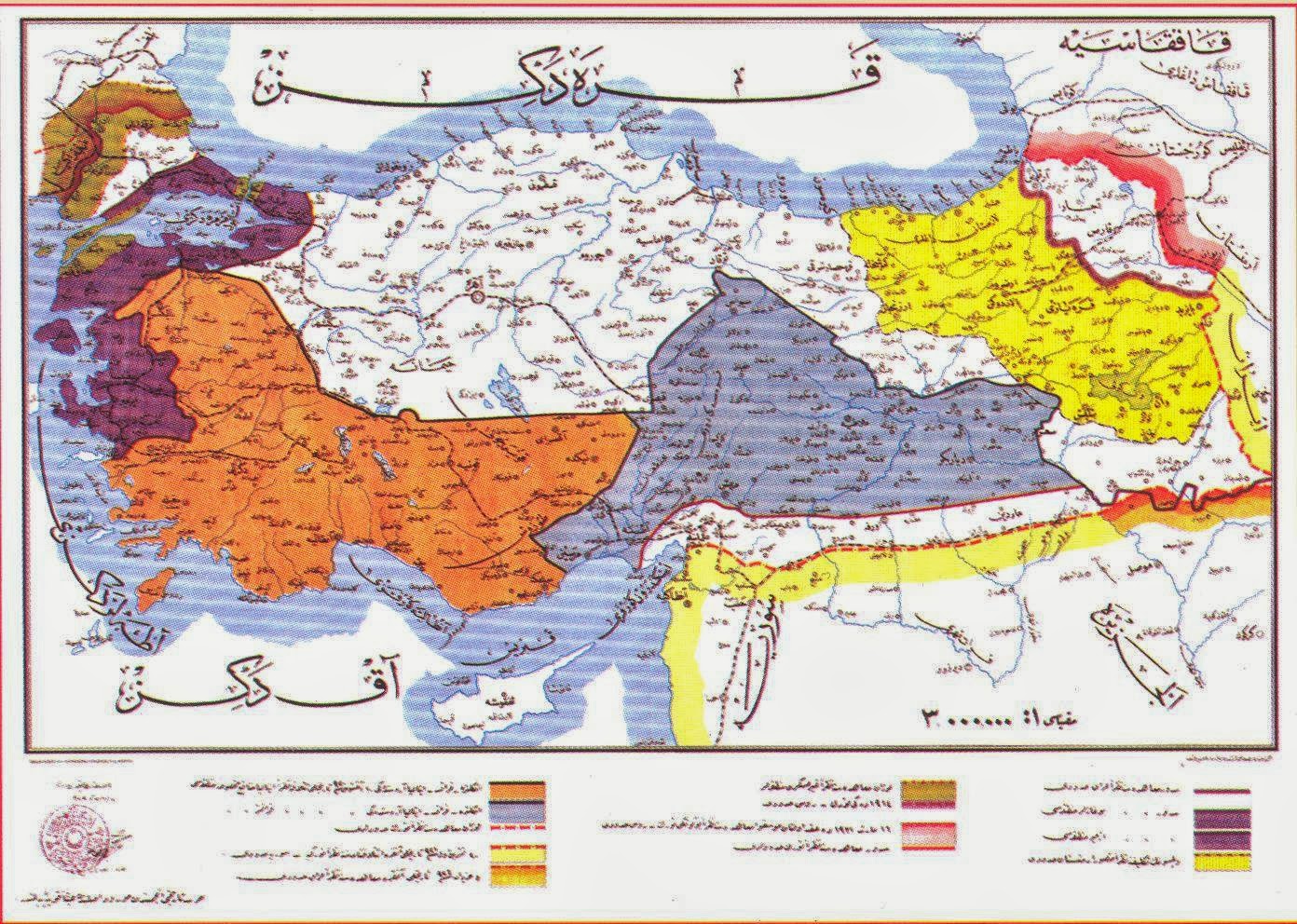
At Sèvres, near Paris, the representatives of the Istanbul government signed a peace treaty.
Under the treaty most of Anatolia was being divided up. Izmir and its surroundings were left to Greece, new borders were drawn in the east and south-east, and the Straits were placed under an international administration. The Turks were left with a small piece of land in Central Anatolia.
The Grand National Assembly did not recognise the treaty; it regarded those who signed it as traitors to the homeland. Sèvres could never be implemented. For what would render it void was to be won not at the diplomats’ table, but on the hills of Anatolia.
The First Battle of İnönü
In the winter of 1920, efforts were being made to build a regular army on the Western Front. Volunteer bands were giving way to battalions and regiments.
In the first days of January 1921 the Greek army advanced from Bursa towards Eskişehir. The units of the Commander of the Western Front, İsmet Bey, met them at İnönü. After four days of fighting the Greek units withdrew.
This was the first test of the newly formed regular army. In numbers it was a small victory, but its meaning was great: the Assembly’s army could stand on its feet. Shortly afterwards the Assembly adopted the Teşkilât-ı Esasiye Kanunu; in the eyes of the world, too, Ankara was now a state.
Fear not
The Assembly was seeking an anthem for the nation. Hundreds of poems had been sent in to the competition it announced.
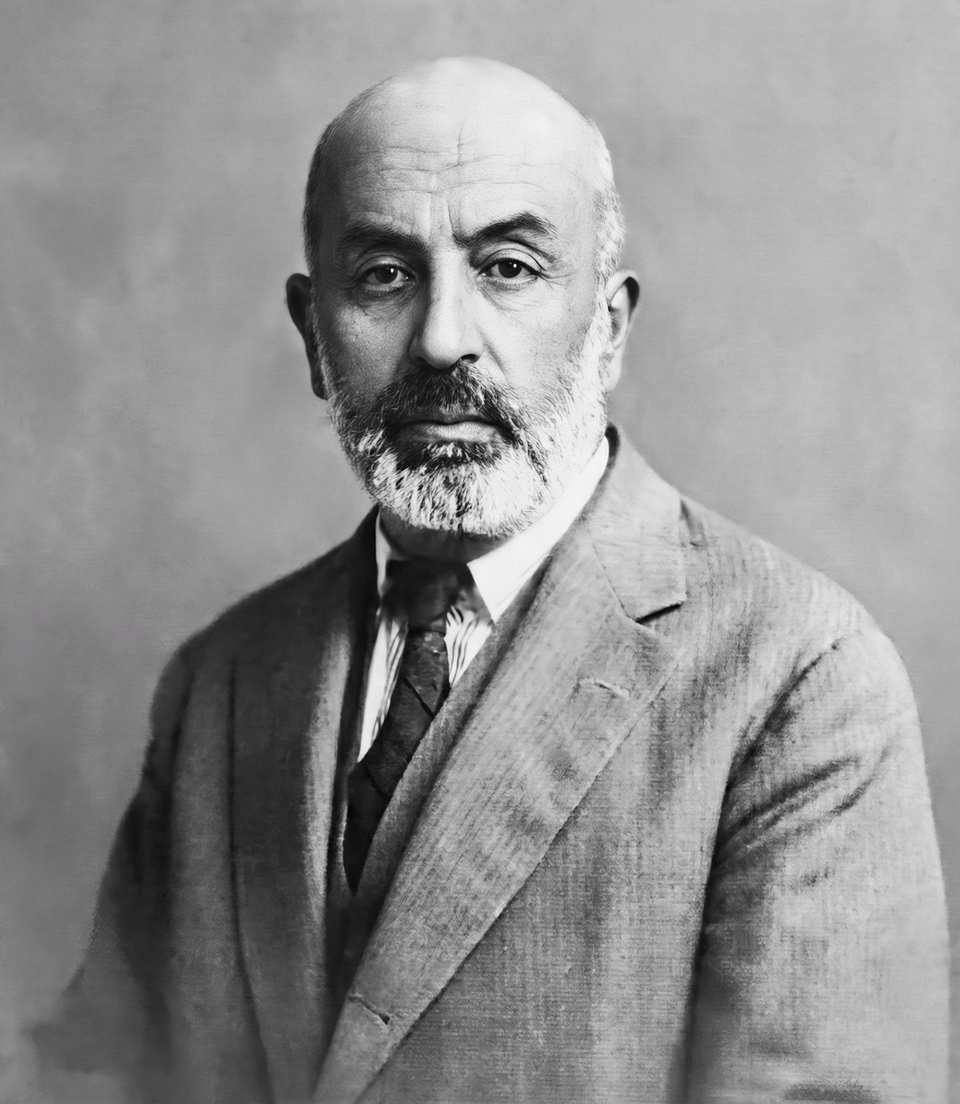
There was one poet who did not enter the competition: Mehmet Âkif, deputy for Burdur. He did not want to send a poem to a competition with a cash prize. The poem he wrote at the insistence of his friends was read in the Assembly on 12 March 1921; the deputies listened to it standing and adopted it as the İstiklal Marşı (Independence March).
Âkif did not take the prize money; he donated it to a charitable institution that gave work to poor women and children.
The first word of the anthem carried the whole mood of those days. There was everything to fear; but a nation had decided not to be afraid.
The telegram from Metristepe
When spring came the Greek army attacked again; this time in greater numbers and with greater resolve.
There were days of fighting at the İnönü position. On the night of 31 March to 1 April the Greek units began to withdraw. From Metristepe, looking out over the battlefield the enemy had left, İsmet Pasha reported the victory to Ankara.
Mustafa Kemal’s reply became one of the most remembered telegrams of the National Struggle.
“There you have defeated not only the enemy, but also the ill fate of the nation.”
Telegram to İsmet Pasha · 1 April 1921 · Nutuk
Makûs talih meant a fate that had gone wrong. A nation that had grown used to defeat since the Balkan Wars dared, for the first time, to look ahead.
Commander-in-Chief
In July 1921 the Greek army took Kütahya and Eskişehir in a great offensive. The Turkish army withdrew east of the Sakarya River. In Ankara the anxiety was great.
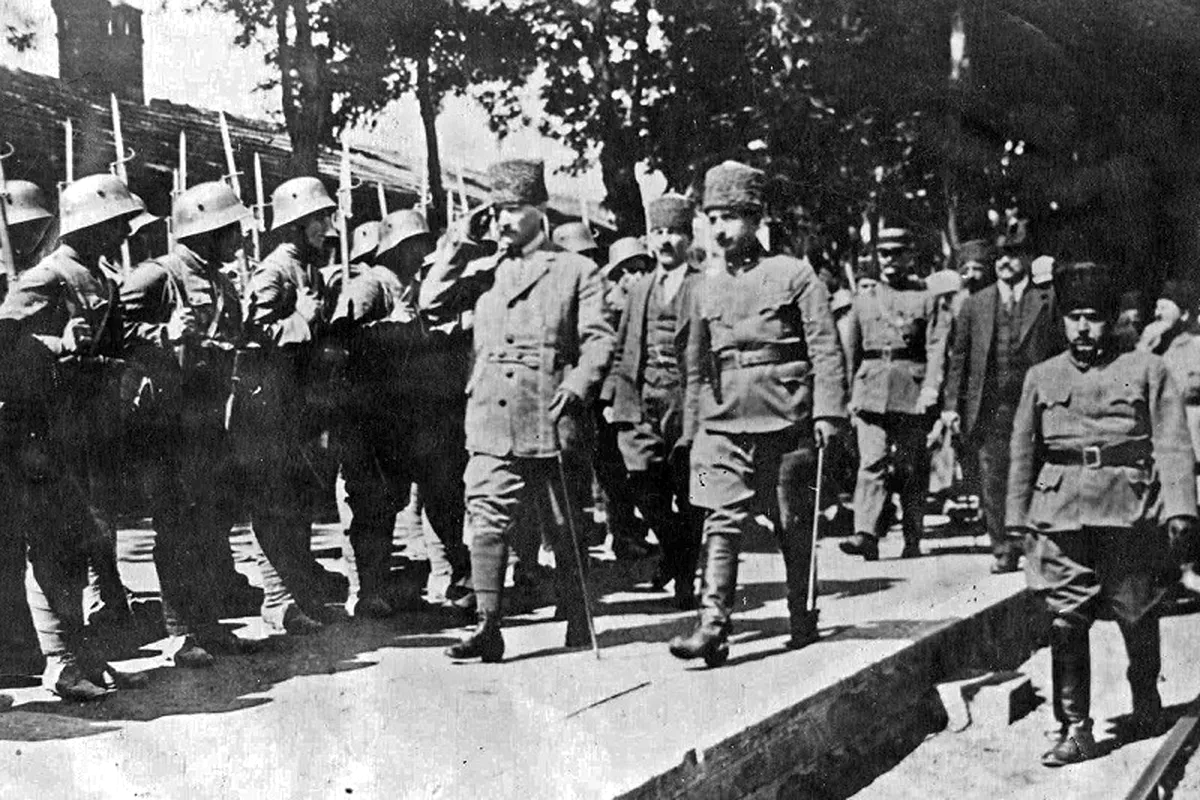
On 5 August 1921 the Assembly elected Mustafa Kemal Commander-in-Chief, to exercise the Assembly’s powers. He accepted this authority for three months, and with conditions.
Two days later the ten-article Tekâlif-i Milliye, that is, the national obligation orders, were issued. Every household would give the army one set of underclothes, one pair of socks and one pair of çarık (rawhide sandals). A share of the food at hand, horse carts, ox-carts, weapons, cloth and leather would be handed over to the army.
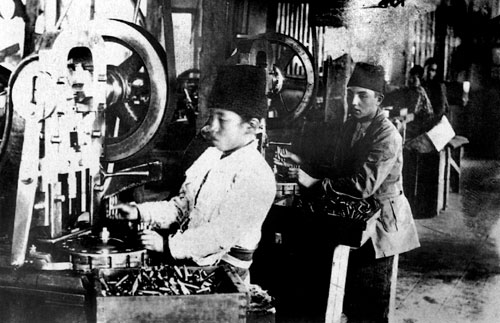
A poor nation sent to the front whatever it had. Those who fed the army, clothed its feet and carried its ammunition were the women, the old and the children in the villages.
The song of the ox-carts
A large part of the weapons and ammunition was landed in secret at the port of İnebolu on the Black Sea. From there to Ankara there was no railway.
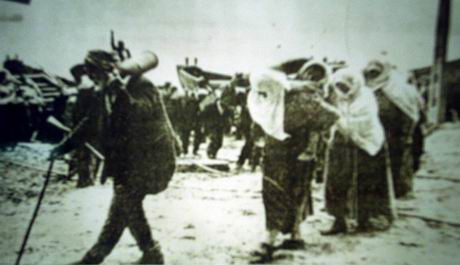
The loads were carried by kağnı, ox-carts, on mountain roads, through snow and mud. Beside these ox-carts with their creaking wooden wheels, it was often women who walked. The men were at the front; those who stayed in the villages took the ammunition crates on their backs and in their arms.
Sometimes, so that the shells would not get wet, they wrapped them in their own shawls, in their children’s quilts. They walked for days, slept in the staging inns, and set out again.
Şerife Bacı of Kastamonu was caught in a blizzard in the winter of 1921 while carrying ammunition. She covered the shells she was carrying so that they would not get wet, and herself froze to death in the cold. Her name stands for all the nameless women behind the front.
Halide Edib describes the Anatolian women who walked alongside the ox-carts on the roads to the front: their loads heavy, their roads muddy, they themselves weary; yet she writes that not one of them thought of turning back. (Summarised from her account.)
Twenty-two days, twenty-two nights
On 12 August he left Ankara for the front. A few days before the battle, while touring the front, he fell from his horse; a rib was broken.
The doctors wanted him to rest. He directed the battle in pain, at times on a stretcher, from his headquarters near Polatlı and from the observation hills.
The battle began west of Ankara, in the bends of the Sakarya River, on a broad front. Hills changed hands several times. At Duatepe, at Çal Dağı, at Mangal Dağı the losses were very heavy; many officers fell.
The order he gave the army at this time changed the whole conception of the defence: to defend not a line, but the whole homeland.
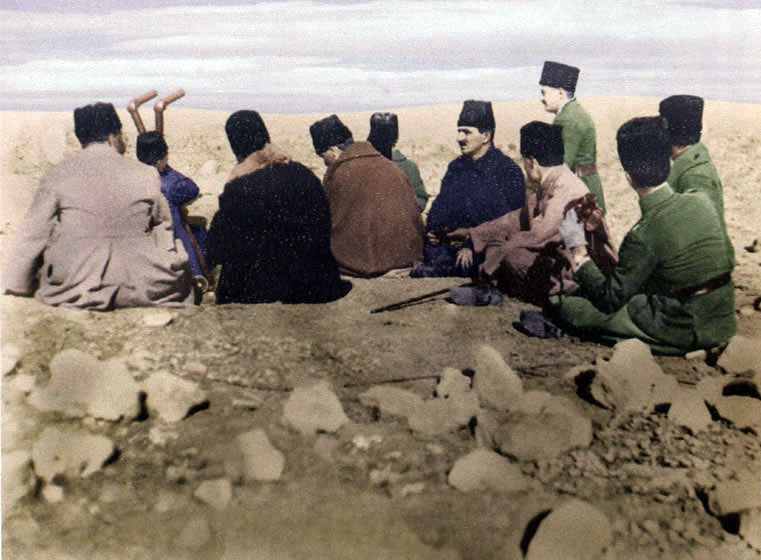
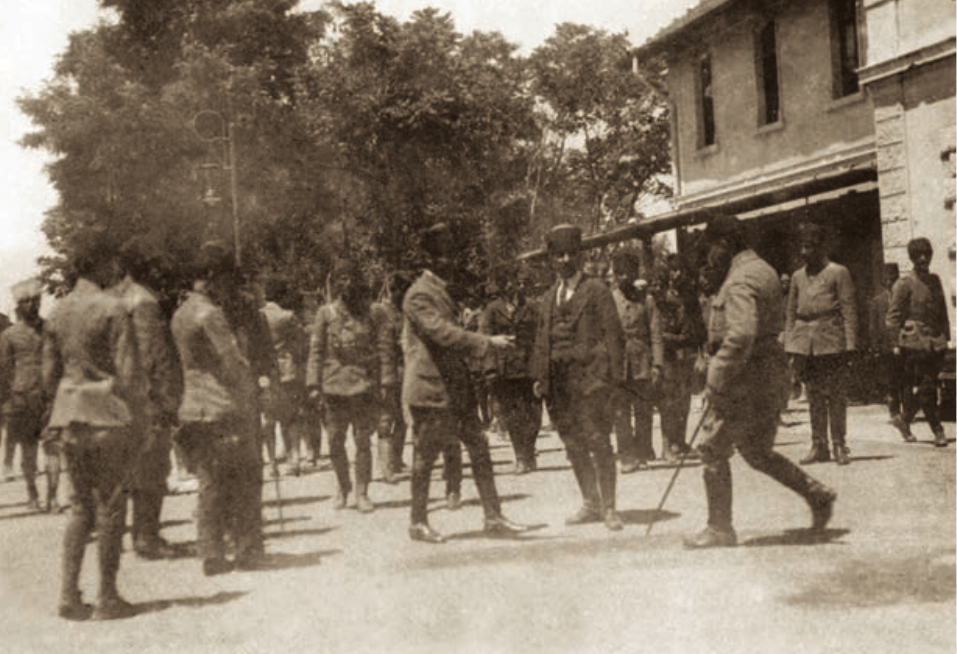
“There is no line of defence; there is a surface of defence. That surface is the whole homeland.”
The Pitched Battle of Sakarya · NutukEvery inch of the land
In the Nutuk, the words continue like this:
“Not one inch of the homeland may be abandoned until it is soaked with the blood of its citizens.”
Nutuk · The Pitched Battle of Sakarya
Under this order every unit, even if driven from its position, would form a new front at the first point where it could stand, and fight on. A unit that saw the unit beside it withdraw would not leave its own place.
In the first days of September the attacking strength of the Greek army was exhausted. The Turkish units went over to the counter-attack. By 13 September 1921 the Greek army had withdrawn west of the Sakarya. It is said that the retreat which had lasted since the siege of Vienna in 1683 came to a halt here.
Gazi
After the victory at Sakarya, the Grand National Assembly gave Mustafa Kemal the rank of Marshal and the title of Gazi (veteran victor).
The pasha who two years earlier had resigned from the army of his own accord now received his rank not from the hands of the palace, but from the hands of the nation’s assembly.
From that day on the people called him simply “Gazi”. But Sakarya was not an end. The enemy was still inside Anatolia; it held a strong line running from Afyon to Eskişehir. To finish, a stronger army was needed.
A quiet year
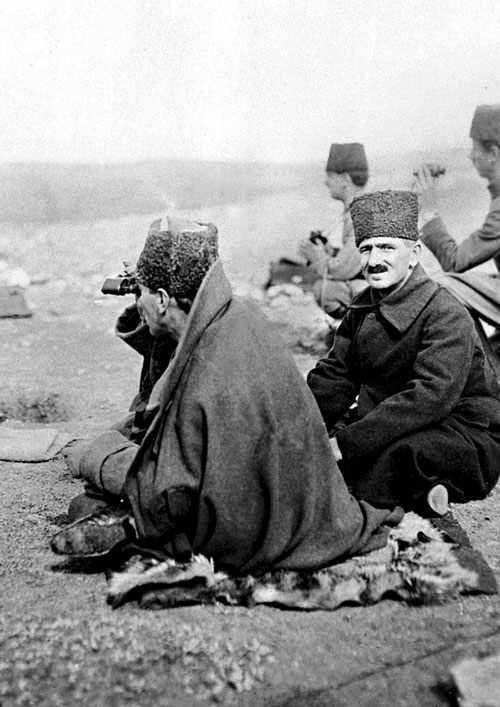
For almost a year after Sakarya there was no great battle at the front. But this silence was the most intense year of work in the National Struggle.
The army was reorganised, the cavalry units strengthened, ammunition stockpiled. In October 1921 the Treaty of Ankara was signed with France and the southern front was closed. The units there were shifted to the west.
In the Assembly those growing impatient asked when the offensive would come. Mustafa Kemal said he would not attack before the army was ready. The plan was prepared in great secrecy; units changed position by marching at night.
In mid-August 1922 the Commander-in-Chief went to the front in secret. It is said that, to mislead the enemy, word was spread that a tea party would be given in Ankara.
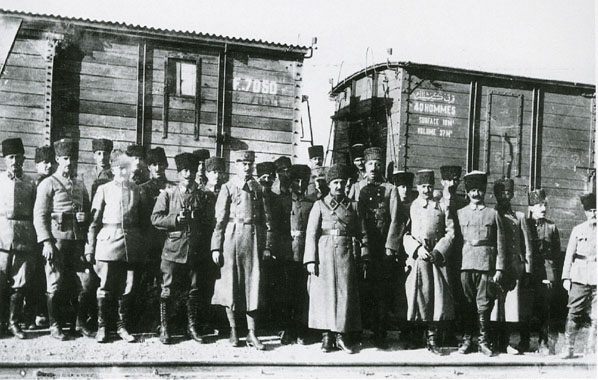
Morning at Kocatepe
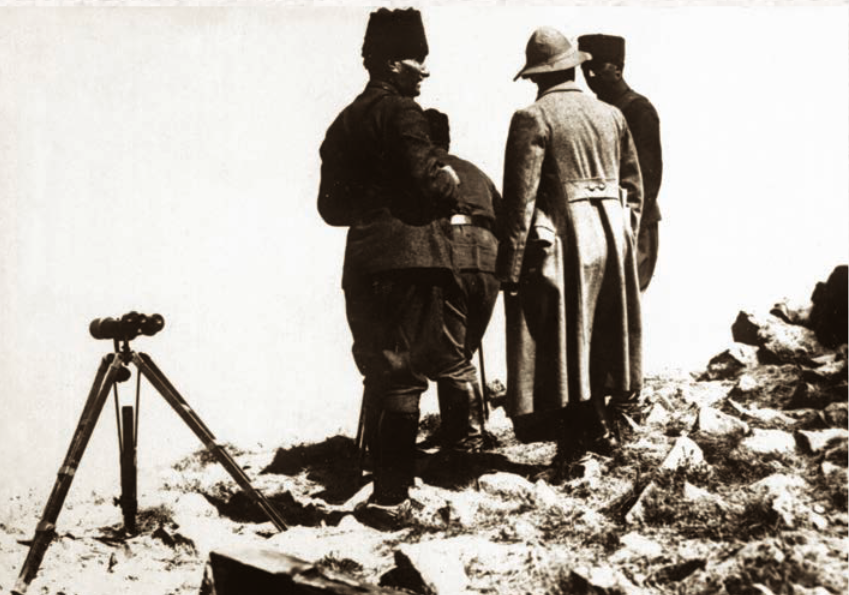
During the night he climbed Kocatepe, south-west of Afyonkarahisar. It was not yet light.
With the dawn the Turkish artillery opened fire. Then the infantry advanced on the hills the enemy had fortified for months. On the first day the hardest positions were taken. The enemy front was being broken through at an unexpected place and with unexpected speed.
The Commander-in-Chief followed the battle step by step from among the trenches on Kocatepe, binoculars in hand. Beside him were the Commander of the Western Front, İsmet Pasha, and the Chief of the General Staff, Fevzi Pasha.
The Battle of the Commander-in-Chief
Within four days the main force of the enemy army was encircled around Dumlupınar.
Mustafa Kemal directed in person the last great battle, fought on 30 August. That is why it was given the name “Başkomutan Meydan Muharebesi” (the Pitched Battle of the Commander-in-Chief). As the sun set, most of the Greek army had been scattered or taken prisoner.
The work that began on the battlefield in the early hours of the morning ended in the evening with a victory. Today 30 August is celebrated as Victory Day (Zafer Bayramı).
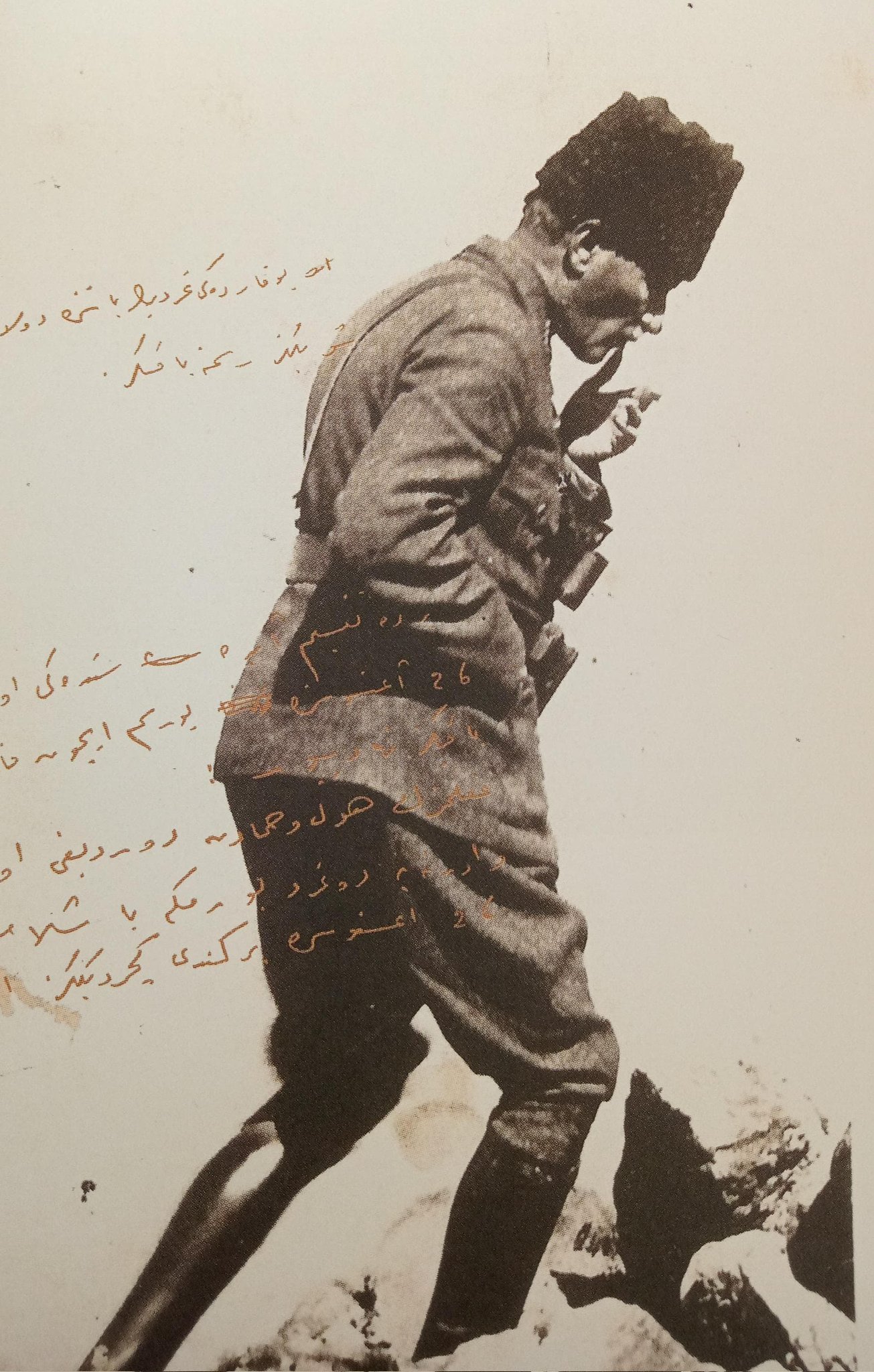
“Armies! Your first goal is the Mediterranean. Forward!”
Commander-in-Chief Mustafa Kemal · 1 September 1922The Mediterranean
After Dumlupınar the army marched west without stopping. The cavalry units covered dozens of kilometres a day.
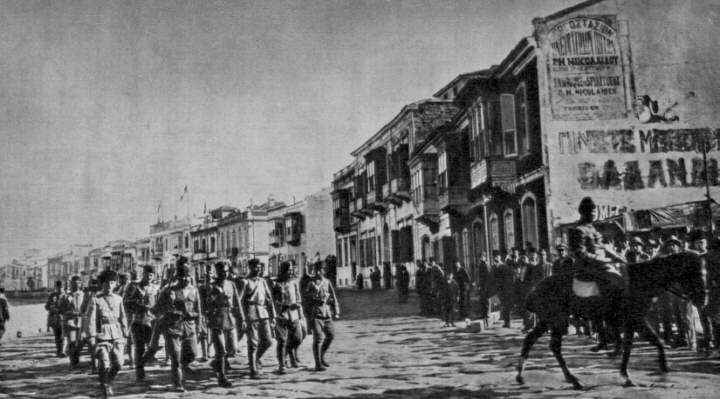
On the morning of 9 September 1922 the first Turkish cavalrymen entered Izmir. The city occupied three years and four months earlier, on 15 May 1919, was free once more. The army had reached the goal the Commander-in-Chief had pointed to: the Mediterranean.
Mustafa Kemal arrived in Izmir the next day, 10 September. Recounting those days in the Nutuk, he would write that his armies had reached, on the quay of Izmir, “the first goal I had given them, the Mediterranean”.
At the end of three years
The time from Samsun to Izmir was close to three years and four months.
In this time an army was built from nothing. An assembly met, a constitution was written, an anthem was adopted. A nation closed with victory a period that had begun with defeat.
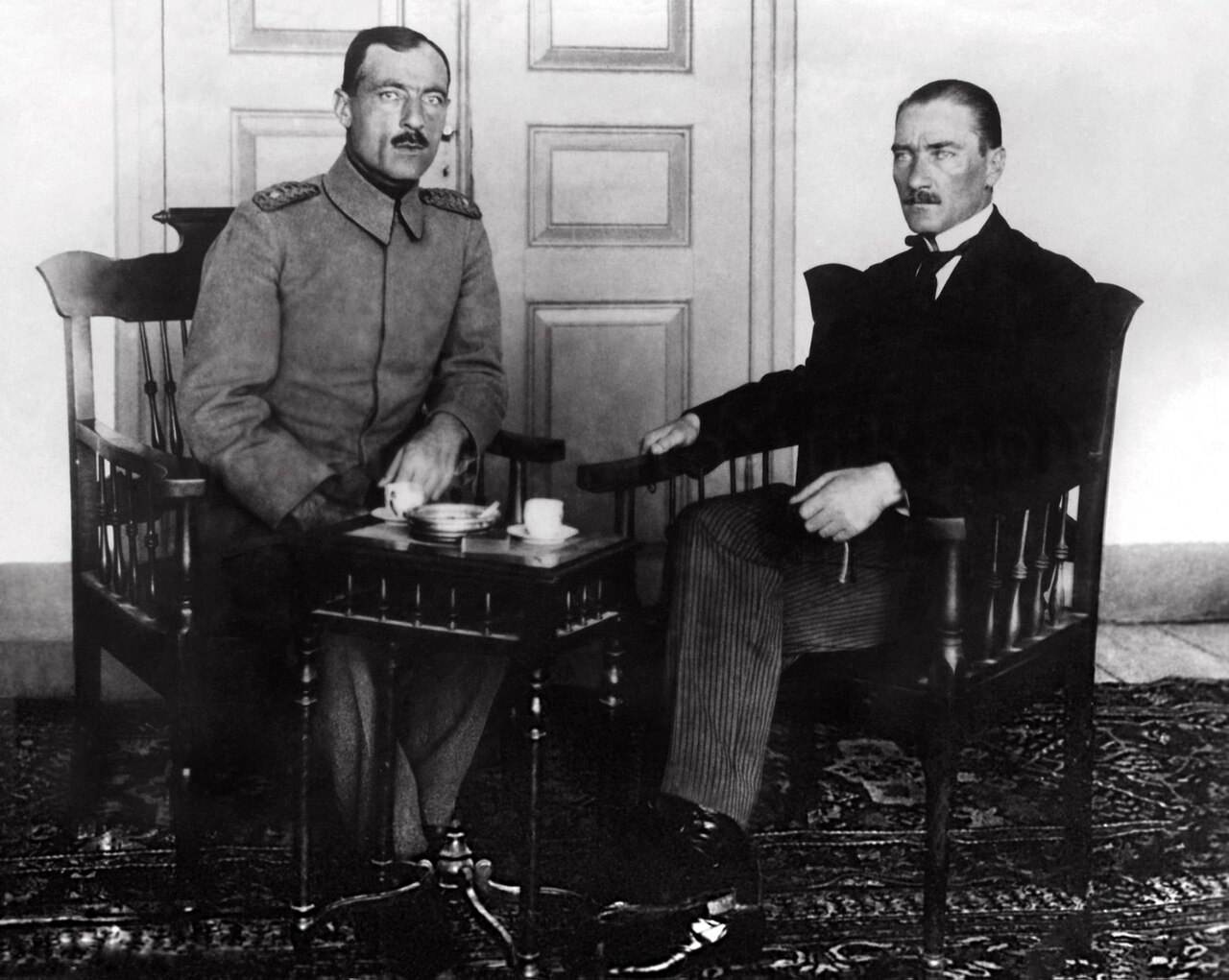
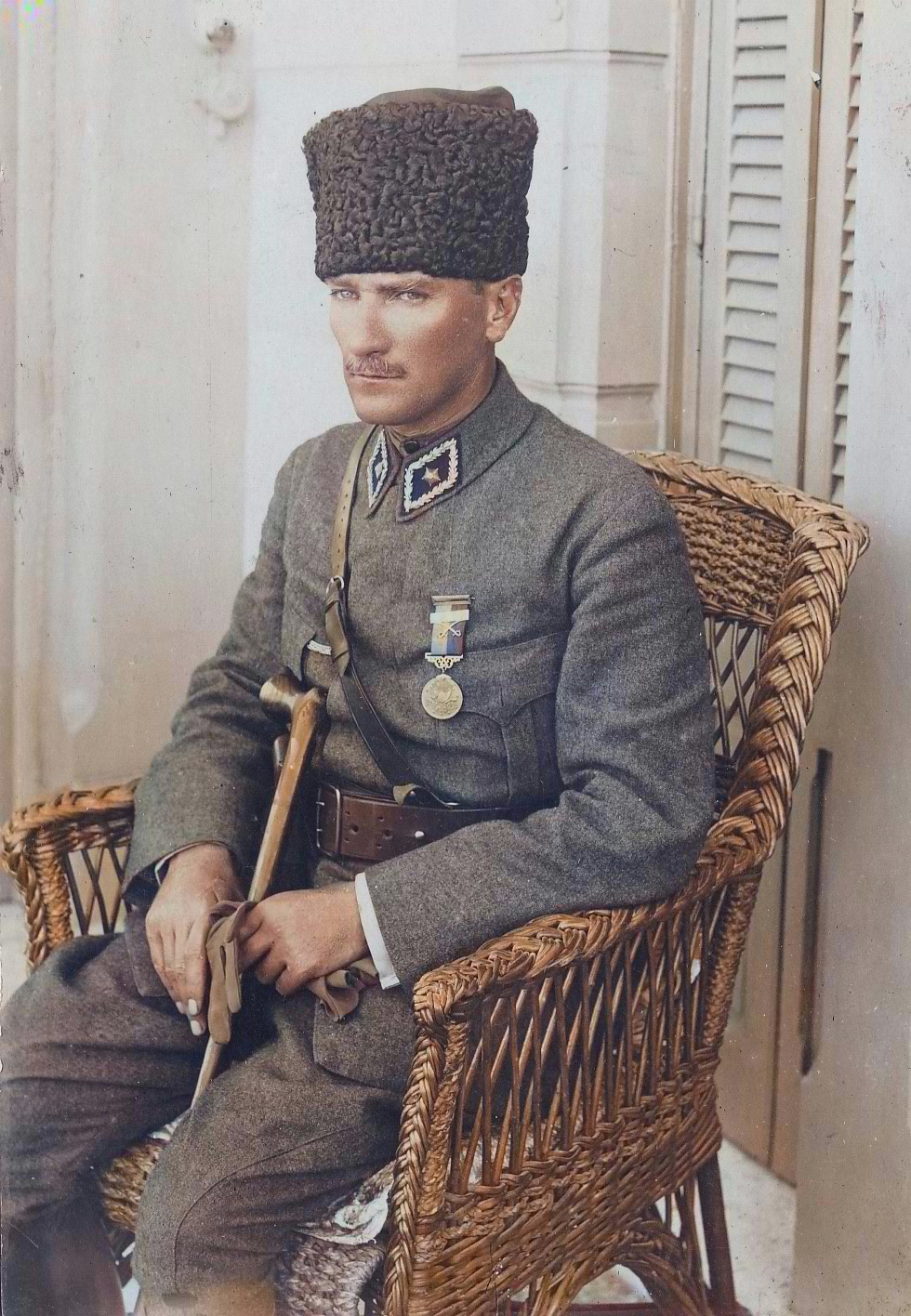
The photograph beside this text was taken on the day he arrived in Izmir. What can be read on his face is less the elation of victory than the weariness of a long road and the weight of the work ahead. For he knew that the real aim of the war was to found an independent state; that work was only beginning.
The table where the guns fell silent
After the victory the Turkish army advanced towards the Dardanelles (Çanakkale Strait). British troops were waiting at the Straits; the threshold of a new war had been reached.
Instead of war, a table was set. At Mudanya on the shore of the Sea of Marmara, the Turkish delegation headed by İsmet Pasha negotiated with the generals of the Allied Powers. At times the talks came to the point of breaking down.
On 11 October 1922 the armistice was signed. Eastern Thrace, up to the Maritsa (Meriç) River, would be handed over to Turkish administration without fighting. The future of Istanbul and the Straits was left to the peace conference that was to meet. In Anatolia the guns had now fallen silent.
The end of six hundred years
The Allied Powers invited both Ankara and Istanbul to the peace conference. Two separate governments could not represent one nation.
On 1 November 1922 the Grand National Assembly abolished the sultanate. The Ottoman sultanate, more than six hundred years old, came to an end. Two weeks later, on 17 November, the last sultan, Vahdettin, left Istanbul aboard a British warship.
The pasha who had landed at Samsun as an inspector now stood at the head of an assembly elected by a nation. The war had been won. Now the time had come to show why that war had been fought, to found a new state.