Appendices · Places you can go today

In his footsteps

The bay window of the house where he was born, the desks of the classroom where he studied, the deck of the ship that took him to Samsun, the wooden rostrum of the Assembly. Most of the places where those fifty-seven years passed are still standing. Twenty stops, from Thessaloniki to Anıtkabir.

Set out

This page is not a travel guide but a reminder: what happened in which place, and what can be seen there today. Museums’ opening hours, fees and closing days change often. Before setting out, we recommend that you check the museum’s official page or the announcements of the Ministry of Culture and Tourism.

I – II · 1881–1914

Childhood and school years

Two cities that today lie within the borders of another country, and the school in Istanbul.

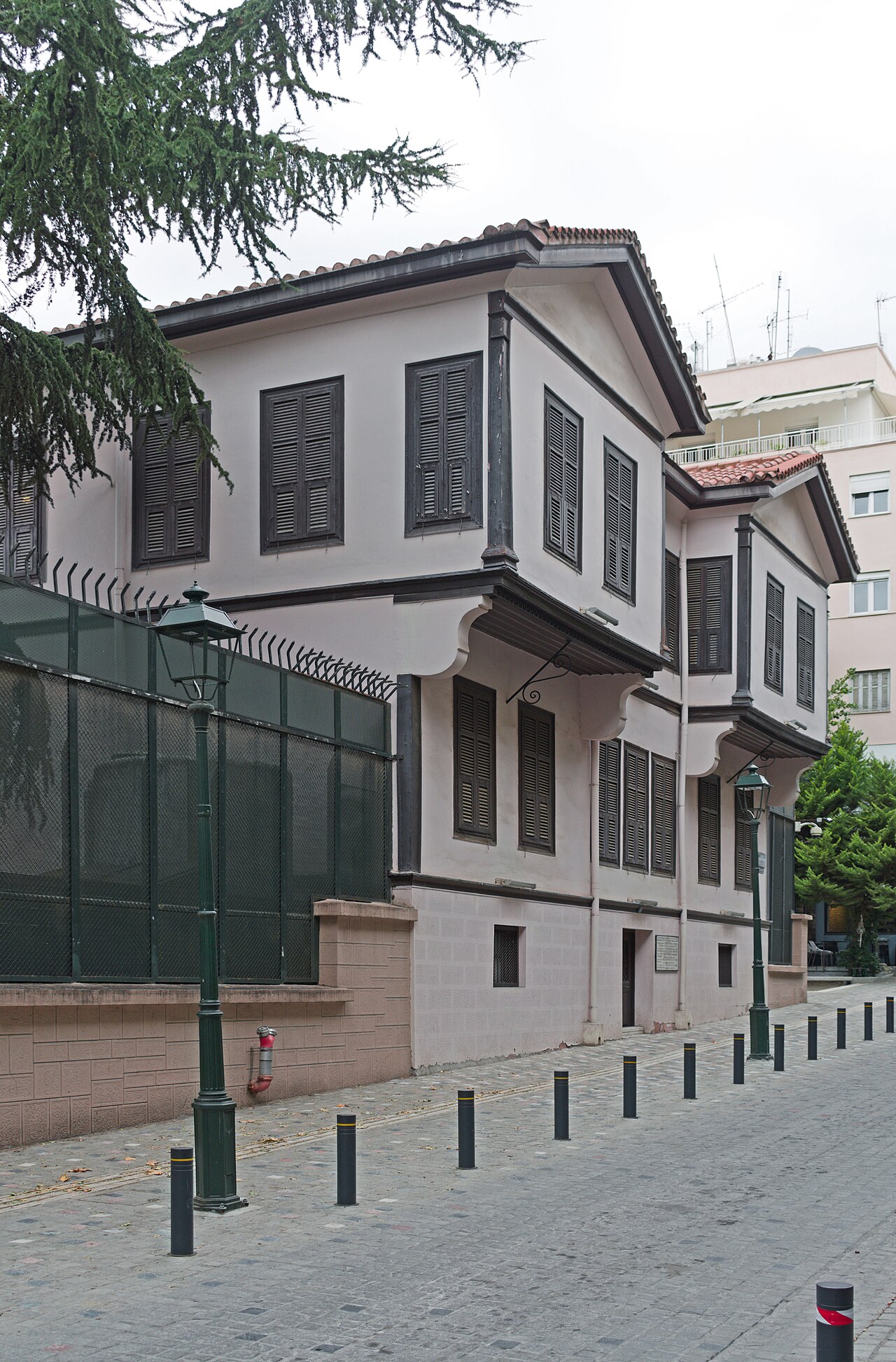
The house in Thessaloniki where Atatürk was born
Thessaloniki (Selanik) · Greece

The house where he was born

In 1881 he was born in this three-storey house; part of his childhood was spent here. Today the house stands right beside Turkey’s Consulate General in Thessaloniki.

Today: A museum. After an extensive restoration in 2024–2025 it reopened to visitors in November 2025. On display are Zübeyde Hanım’s room, the family’s belongings, the prayer beads of his father Ali Rıza Efendi, and objects sent from the museums in Ankara.

Photograph: Ymblanter, CC BY-SA 4.0

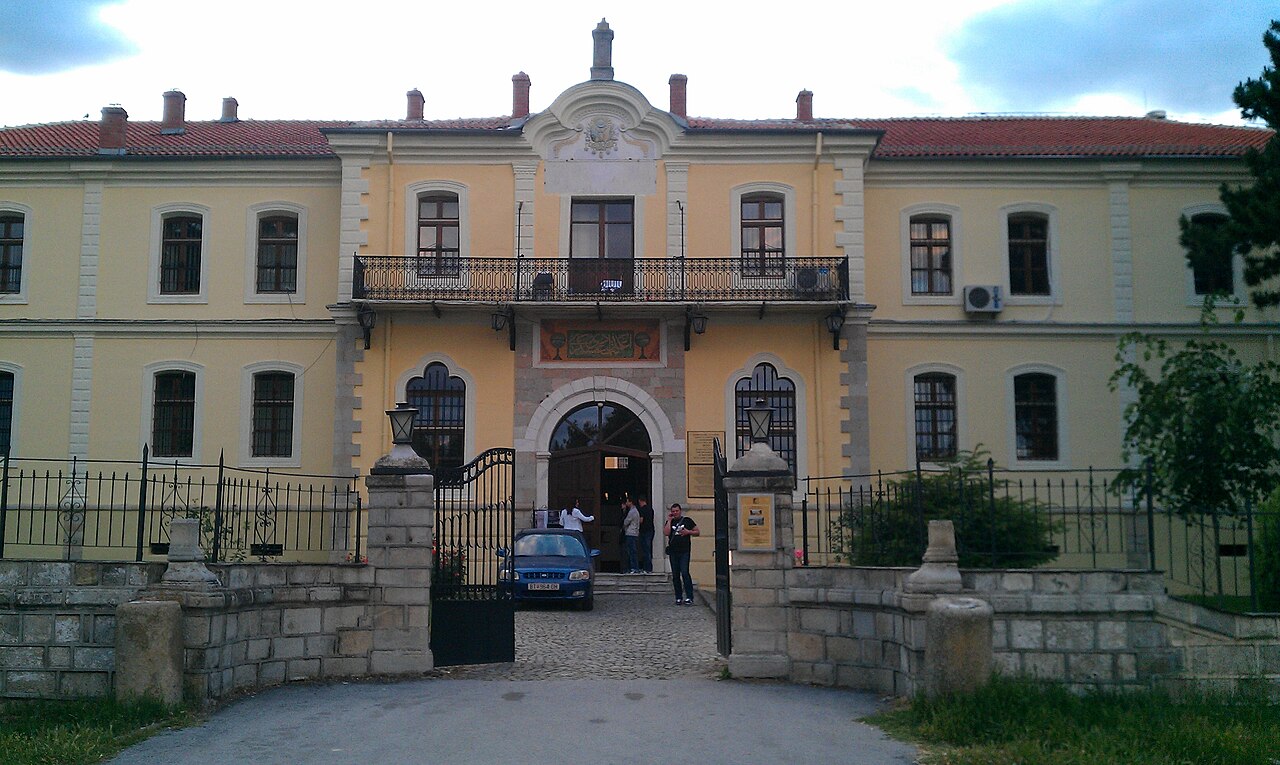
The building of the Military High School of Manastır, Bitola
Manastır (Bitola) · North Macedonia

The Military High School of Manastır

He studied here from 1896 to 1899. His interest in literature, oratory and history began at this school.

Today: The building houses the Bitola Museum. In the Atatürk memorial room on the upper floor, a wax figure of him, a bust and documents from his school years are on display.

Photograph: A. Kerim Şengel, CC BY 3.0

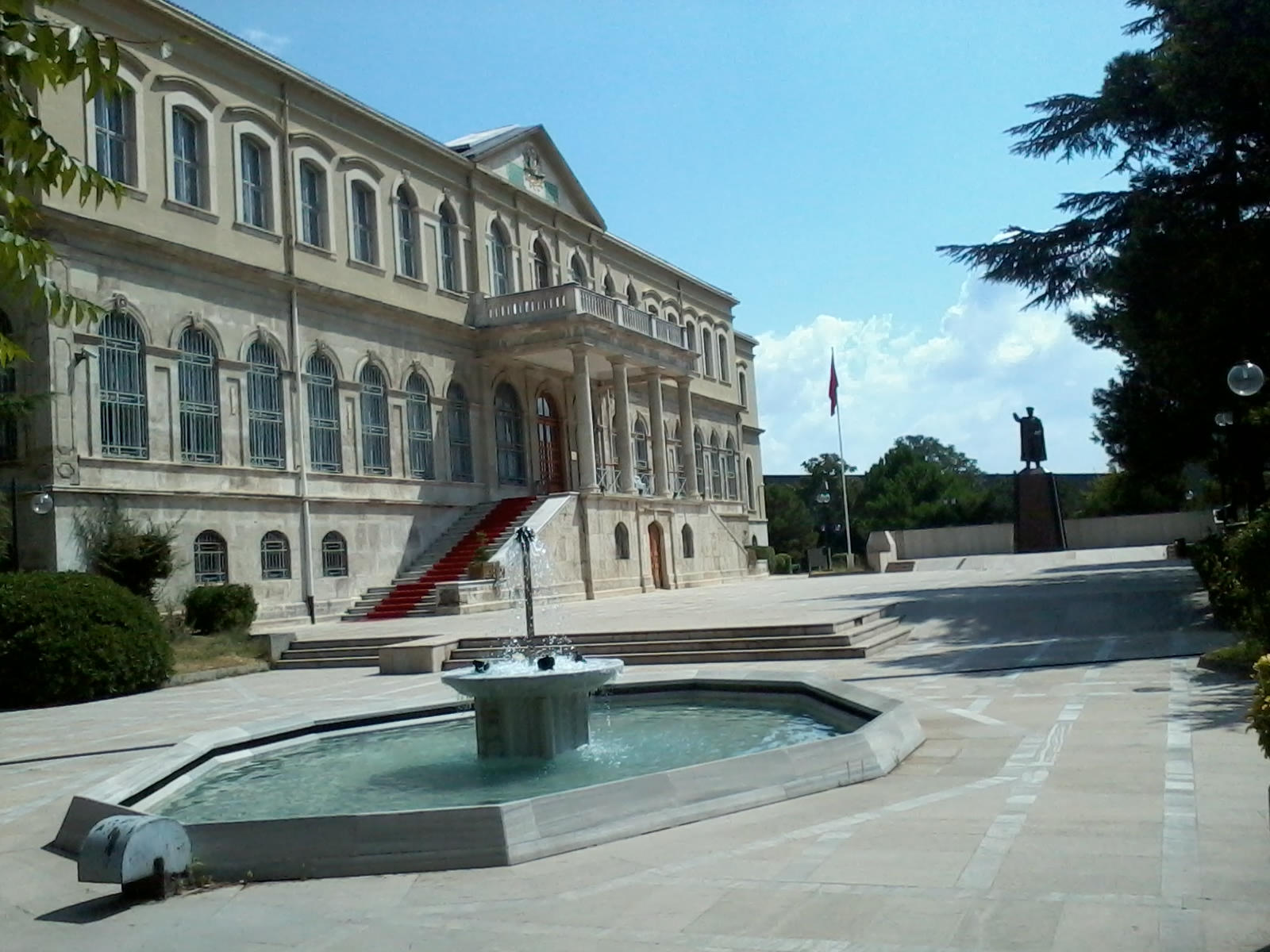
The Military Museum building in Harbiye, Istanbul
Harbiye · Istanbul

The Harbiye Military Museum

The former building of the Mekteb-i Harbiye (War College). Between 1899 and 1905 he studied here, first at the War College, then at the Staff Academy, and graduated as a staff captain.

Today: The Military Museum. The classroom where he studied has been recreated as it was arranged at the time. The museum has received visitors in this building since 1993; the performances of the mehter (Ottoman military band) are also held here.

Photograph: Mirada, CC BY-SA 3.0

III · 1915

Gallipoli (Çanakkale)

The whole of the Gallipoli Peninsula is today the Gallipoli Historical Site of the Çanakkale Battles. One can walk among the cemeteries of the fallen, the memorials and the trenches.

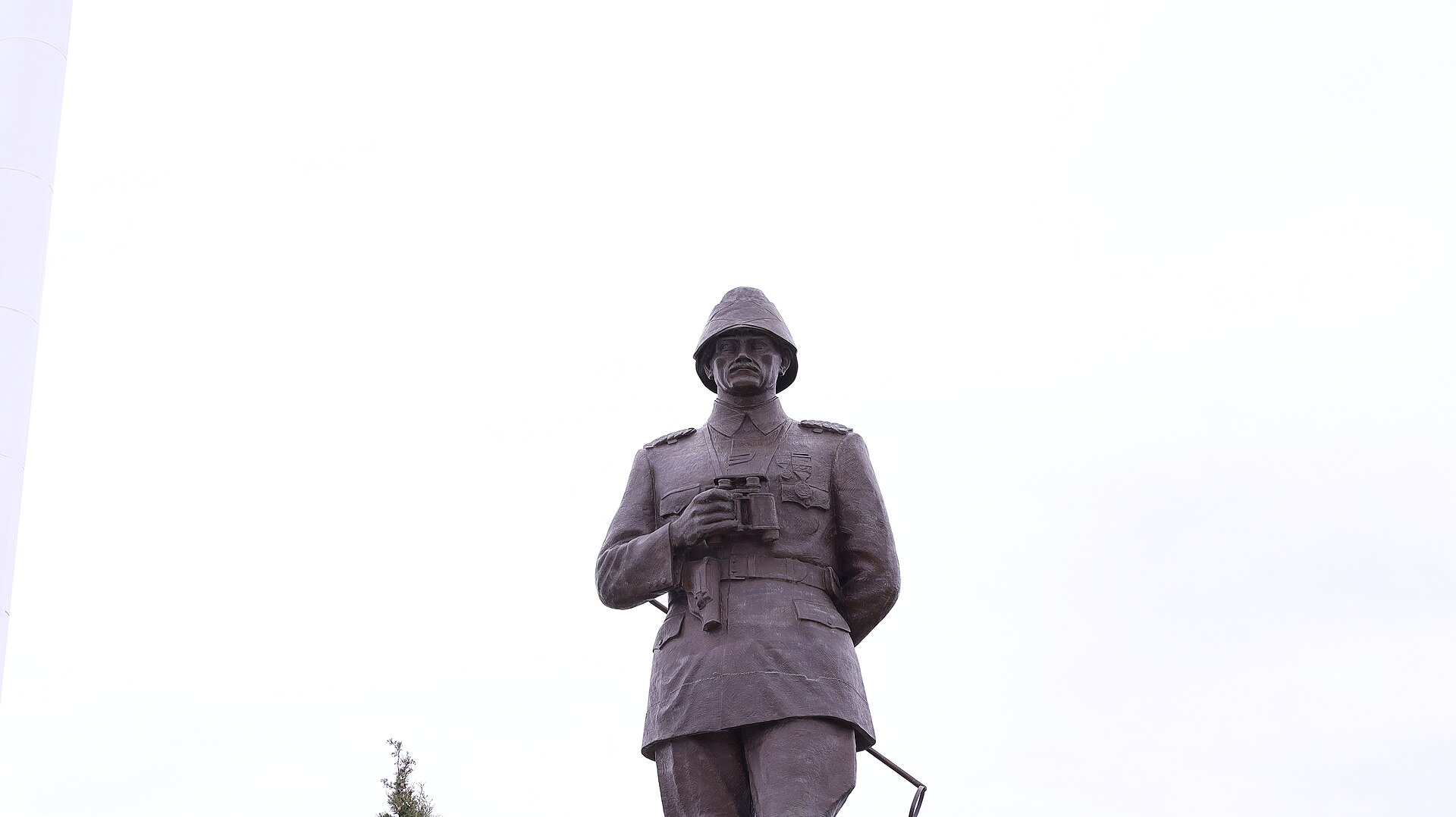
The statue of Mustafa Kemal at Conkbayırı
Conkbayırı · Eceabat, Çanakkale

Conkbayırı (Chunuk Bair)

On 25 April 1915, by driving the 57th Regiment here, he halted the advance of the forces that had landed at Arıburnu. On the morning of 10 August, again here, as he personally led the counter-attack, a shrapnel fragment that struck his chest was stopped by the watch in his pocket.

Today: On the summit rise the statue of Mustafa Kemal standing with binoculars in his hand and the Turkish memorials; right beside them stands the New Zealand memorial. The view, opening onto the Gulf of Saros and the Anafartalar plain, tells why the battle was fought for this hill.

Photograph: 0959kedi, CC0

Historical Site Directorate →
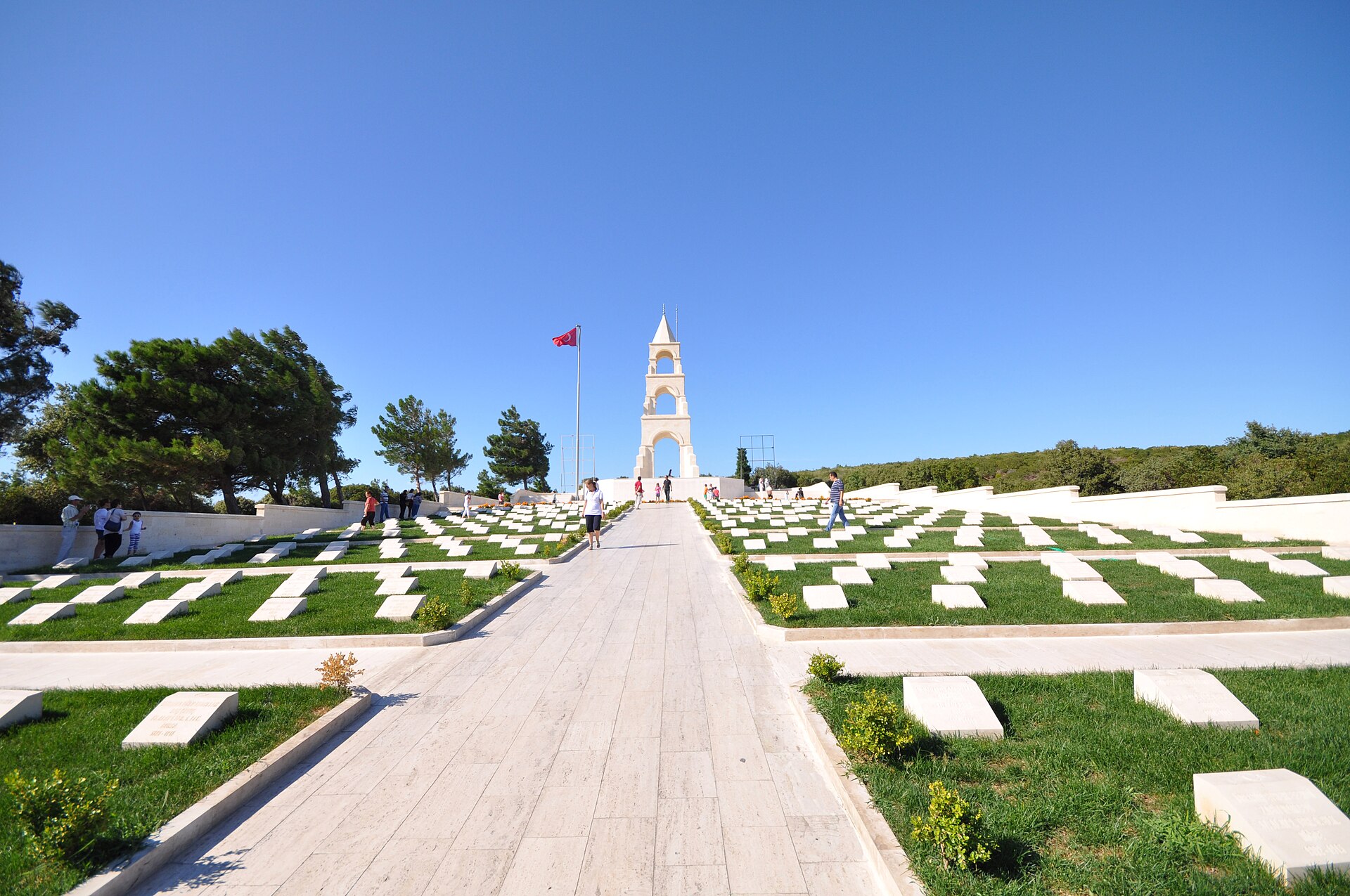
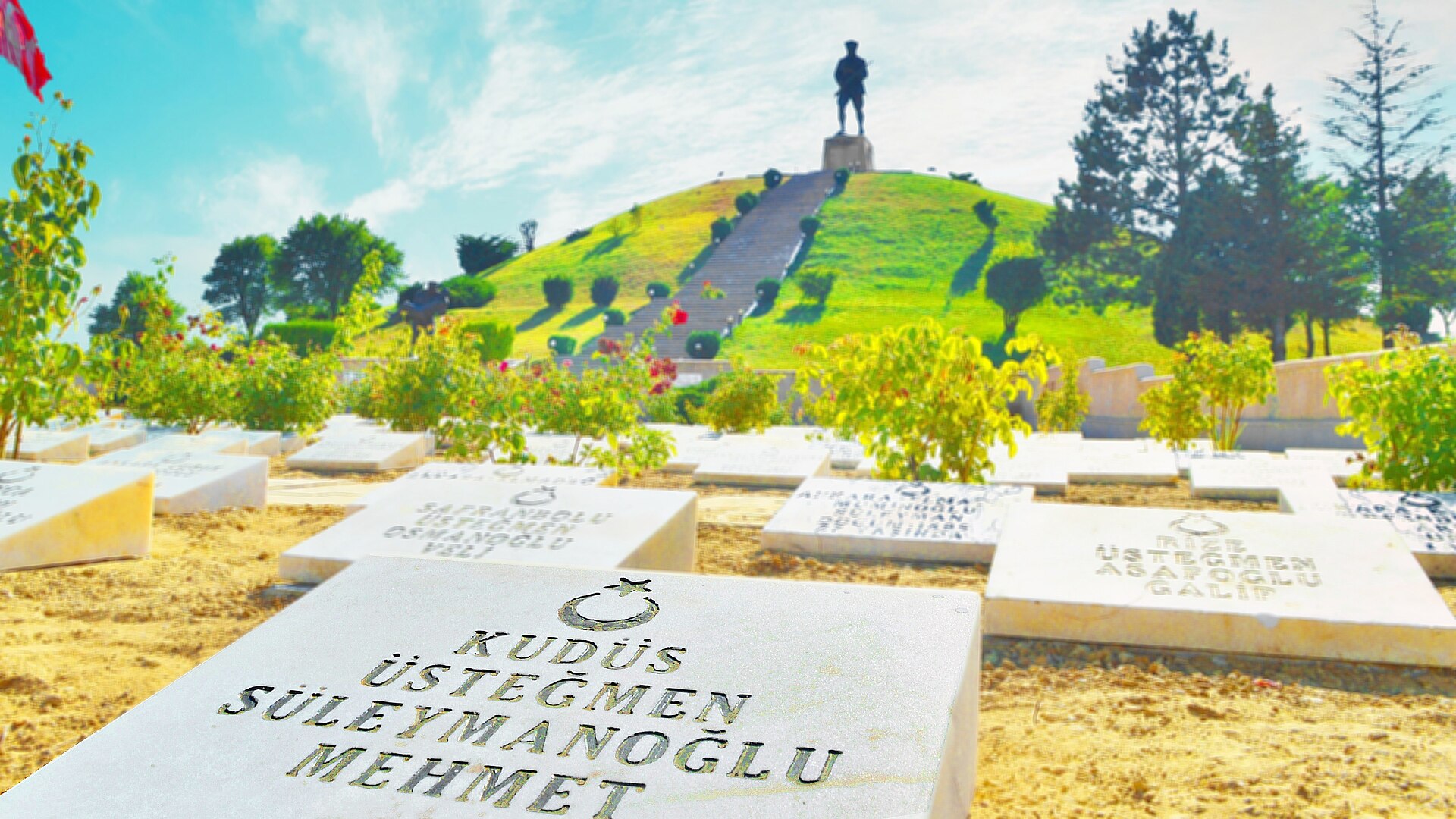
The 57th Regiment Cemetery, Gallipoli
Arıburnu road · Eceabat, Çanakkale

The 57th Regiment Cemetery and Kabatepe

The 57th Infantry Regiment, which charged forward on 25 April 1915 at Mustafa Kemal’s order, suffered very heavy losses that day. Kabatepe is the southern end of the shore where the landing took place.

Today: At the 57th Regiment Cemetery there are symbolic gravestones and a memorial. The Çanakkale Epic Promotion Centre at Kabatepe has, since 2012, told the story of the war with re-enactments in its halls buried beneath the earth.

Photograph: Jorge Láscar, CC BY 2.0

Historical Site Directorate →
IV – V · 1918–1922

From Istanbul to Anatolia

From the house in occupied Istanbul to Samsun, to the congress cities and to the fronts.

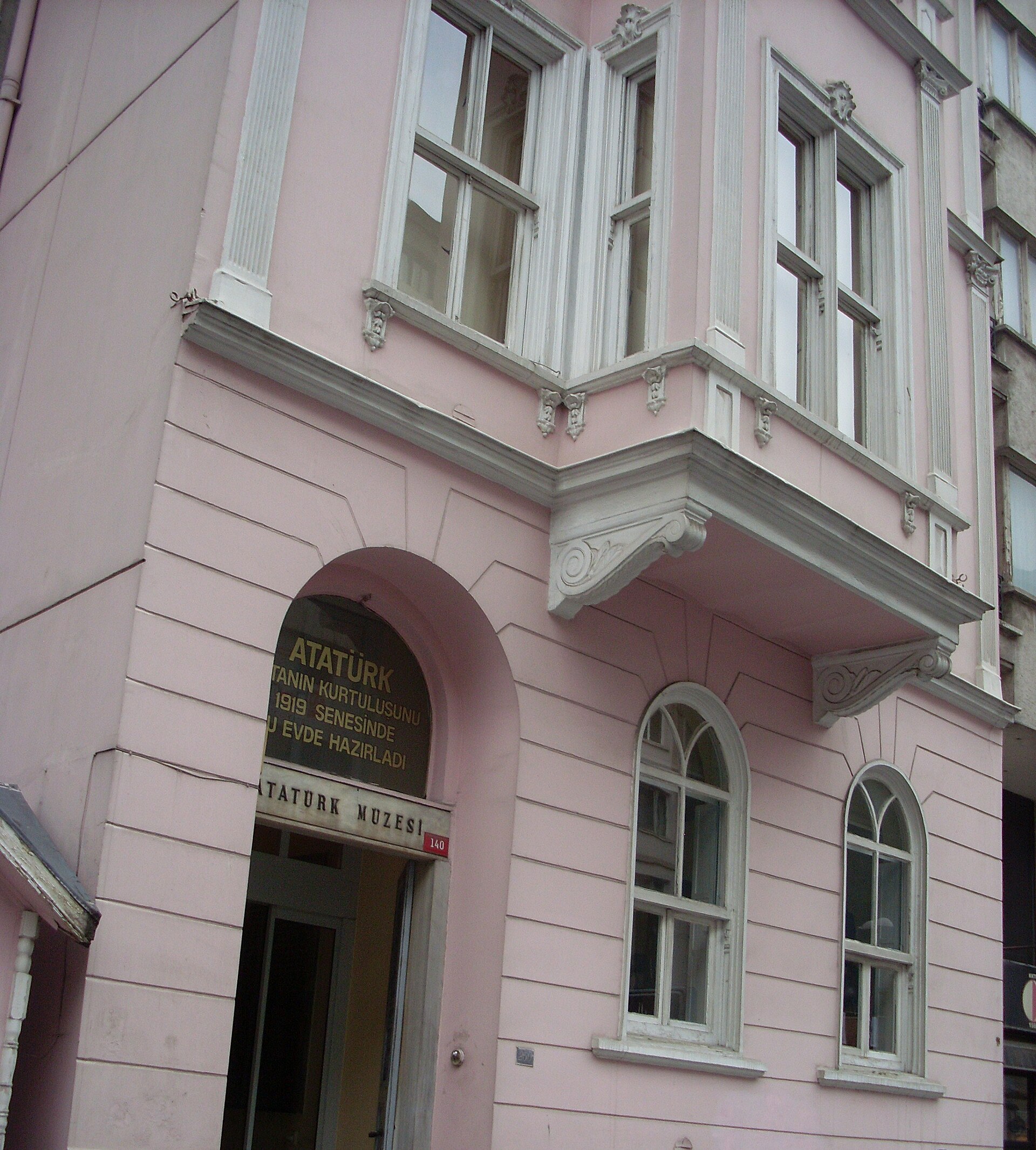
The entrance of the Atatürk Museum in Şişli
Şişli · Istanbul

The Şişli Atatürk Museum

From December 1918 to 16 May 1919 he lived in this rented house with his mother and sister. The plans for crossing into Anatolia were discussed here; the plaque above the door says so too.

Today: A museum of the Istanbul Metropolitan Municipality; it opened on 15 June 1942. Halaskargazi Caddesi No. 140. Part of his belongings were donated by his sister Makbule Hanım.

Photograph: VikiPicture, CC BY-SA 3.0

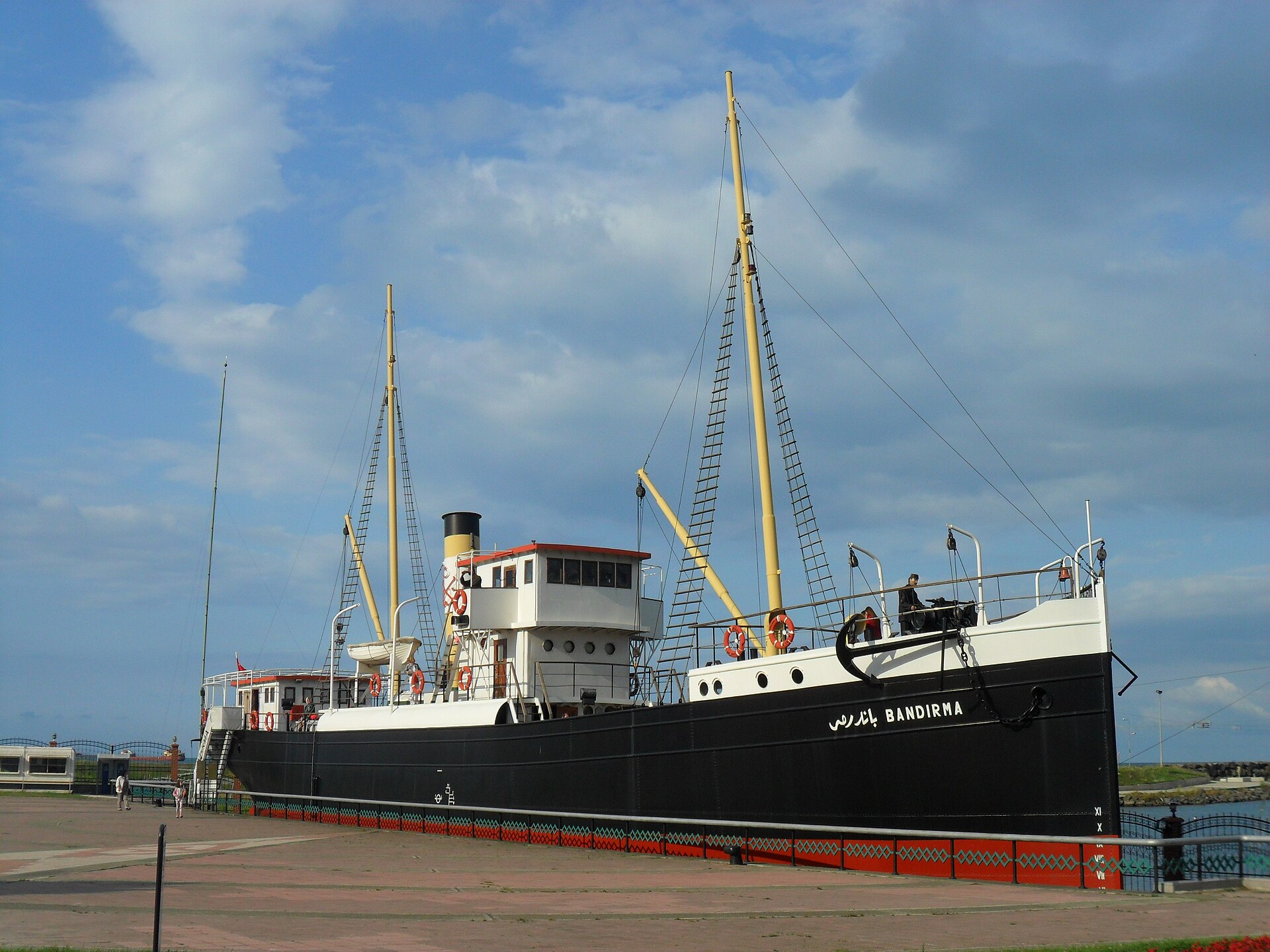
The replica of the steamer Bandırma, built as a museum ship in Samsun
Samsun

The steamer Bandırma

On 16 May 1919 he left Istanbul on this ship, and on 19 May he landed at Samsun. The original ship was dismantled and scrapped in 1925.

Today: A replica built to the original’s dimensions has been a museum ship since 2003. In July 2026 the ship was moved from its old place in Doğupark to the İstiklal Meydanı–Kurtuluş Yolu area in İlkadım; the opening of the new setting is planned for May 2027. Until then the interior may not be open to visitors.

Photograph (at its old location): Cobija, CC0

Havza · Samsun

The Havza Atatürk House

The former Mesudiye Hotel, which he used as his headquarters from 25 May to 12 June 1919. On 28 May the Havza Circular, calling for the occupations to be protested with rallies, was issued from here.

Today: The Atatürk House Museum. On display are the telegraph machine on which the circular was sent, a wax figure of him in the study, and the note he wrote in his own hand to the District Governor of Havza. Every year Havza commemorates 25 May with a festival.

We could not find a freely licensed current photograph of this place.

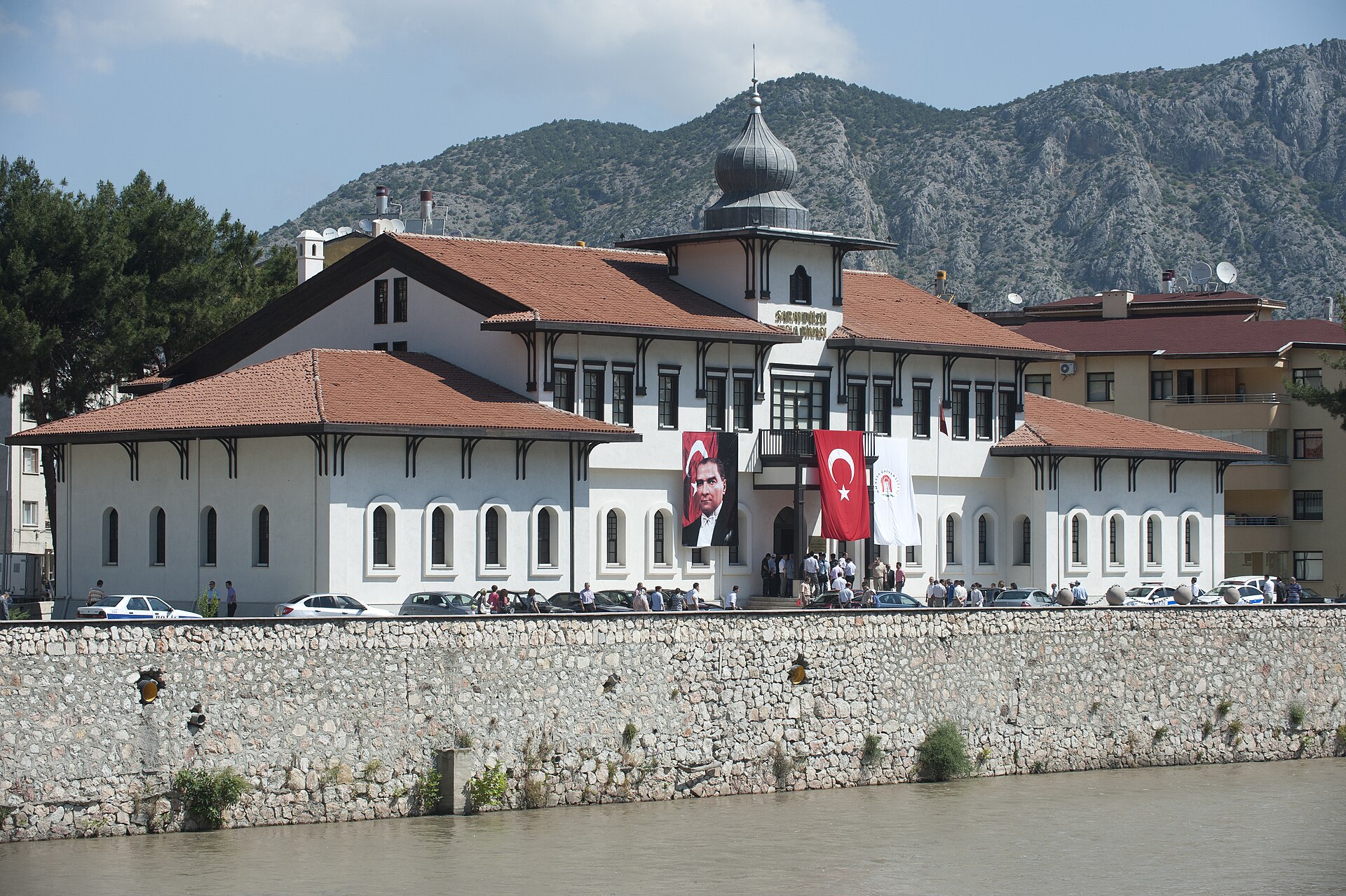
The Saraydüzü Barracks on the bank of the Yeşilırmak in Amasya
Amasya

The Saraydüzü Barracks

He came to Amasya on 12 June 1919. On 22 June the Amasya Circular, bearing the sentence “The independence of the nation will again be saved by the nation’s own resolve and determination”, was announced in these barracks.

Today: The barracks, demolished in 1944, were rebuilt true to the original on the bank of the Yeşilırmak in 2007. They are used as the National Struggle Museum and Congress Centre.

Photograph: Dosseman, CC BY-SA 4.0

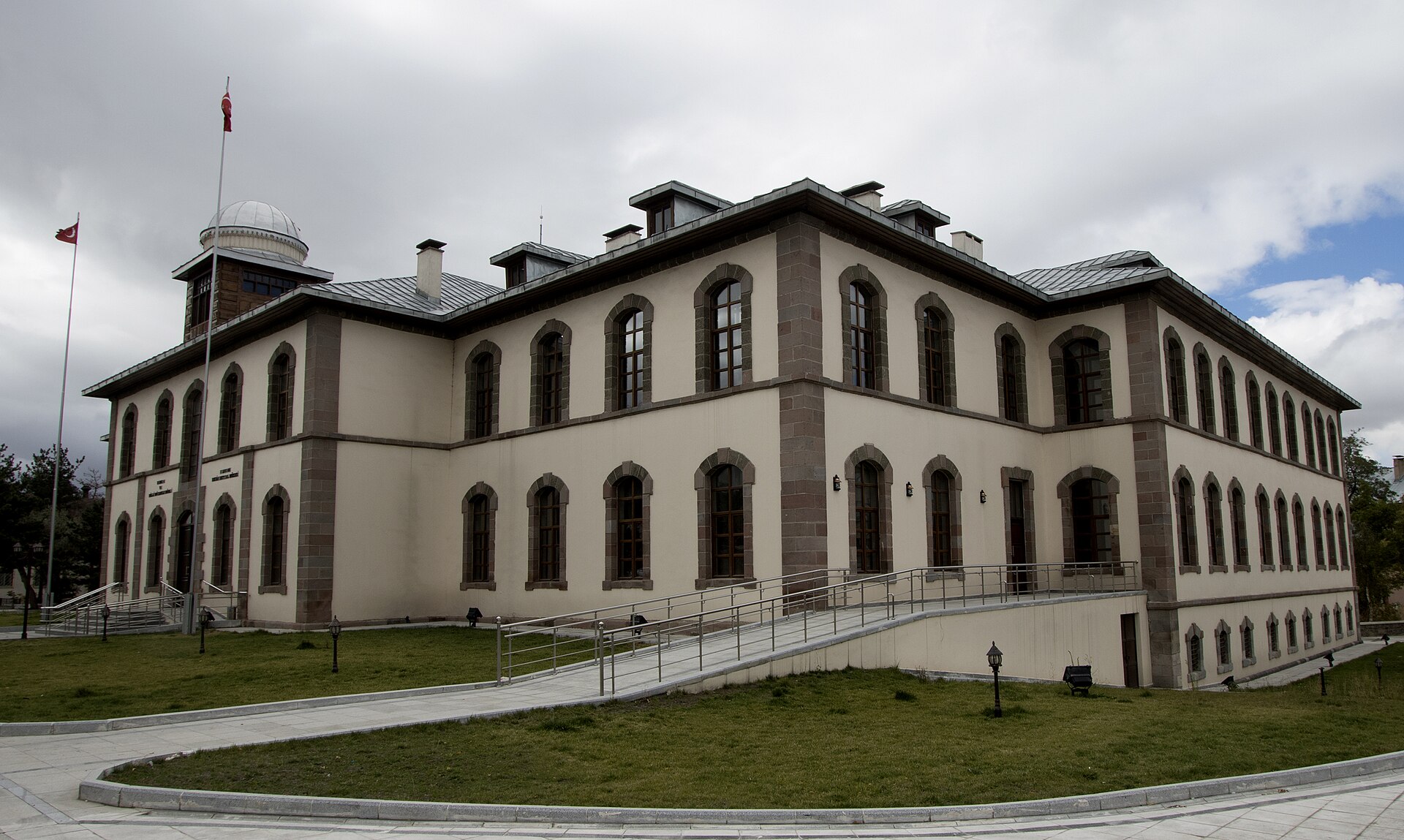
The Erzurum Congress building
Erzurum

The Erzurum Congress Building

The Erzurum Congress, which met from 23 July to 7 August 1919, was held in this building; Mustafa Kemal was elected chairman of the congress. Before the congress, the building was a school.

Today: The Erzurum Congress and National Struggle Museum. The congress hall and documents and photographs of the period are on display. In the city, the Atatürk House where he stayed during the congress can also be visited.

Photograph: Zeynel Cebeci, CC BY-SA 4.0

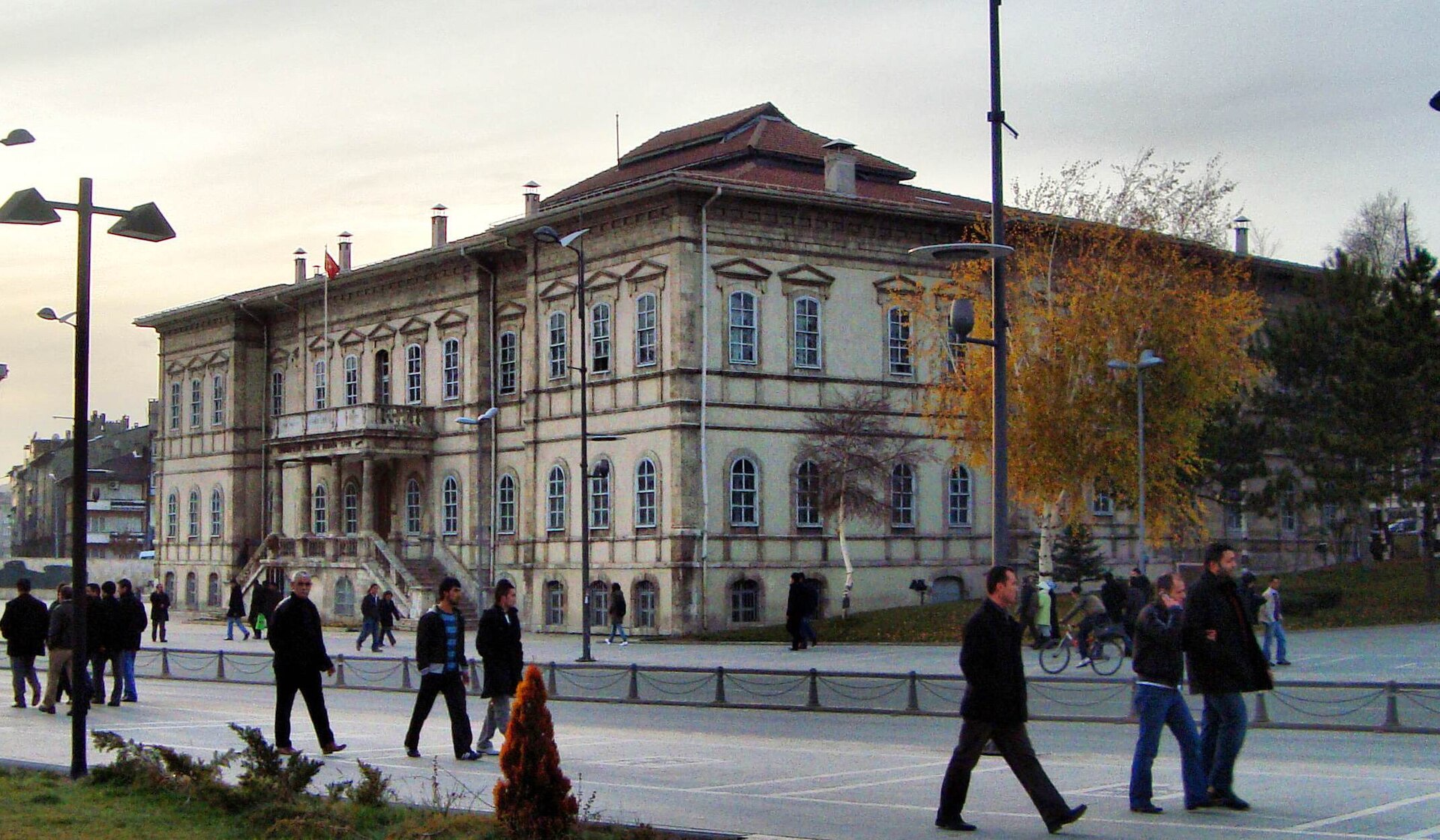
The Sivas Congress building
Sivas

The Sivas Congress Building

On 4–11 September 1919 the Sivas Congress met in this building, an Ottoman high school then in use as a lycée. Here the resistance societies of the whole country were united under a single roof.

Today: The Atatürk Congress and Ethnography Museum. The congress hall and the room where he stayed during the congress are preserved as they were arranged at the time.

Photograph: Haluk Cömertel, CC BY 3.0

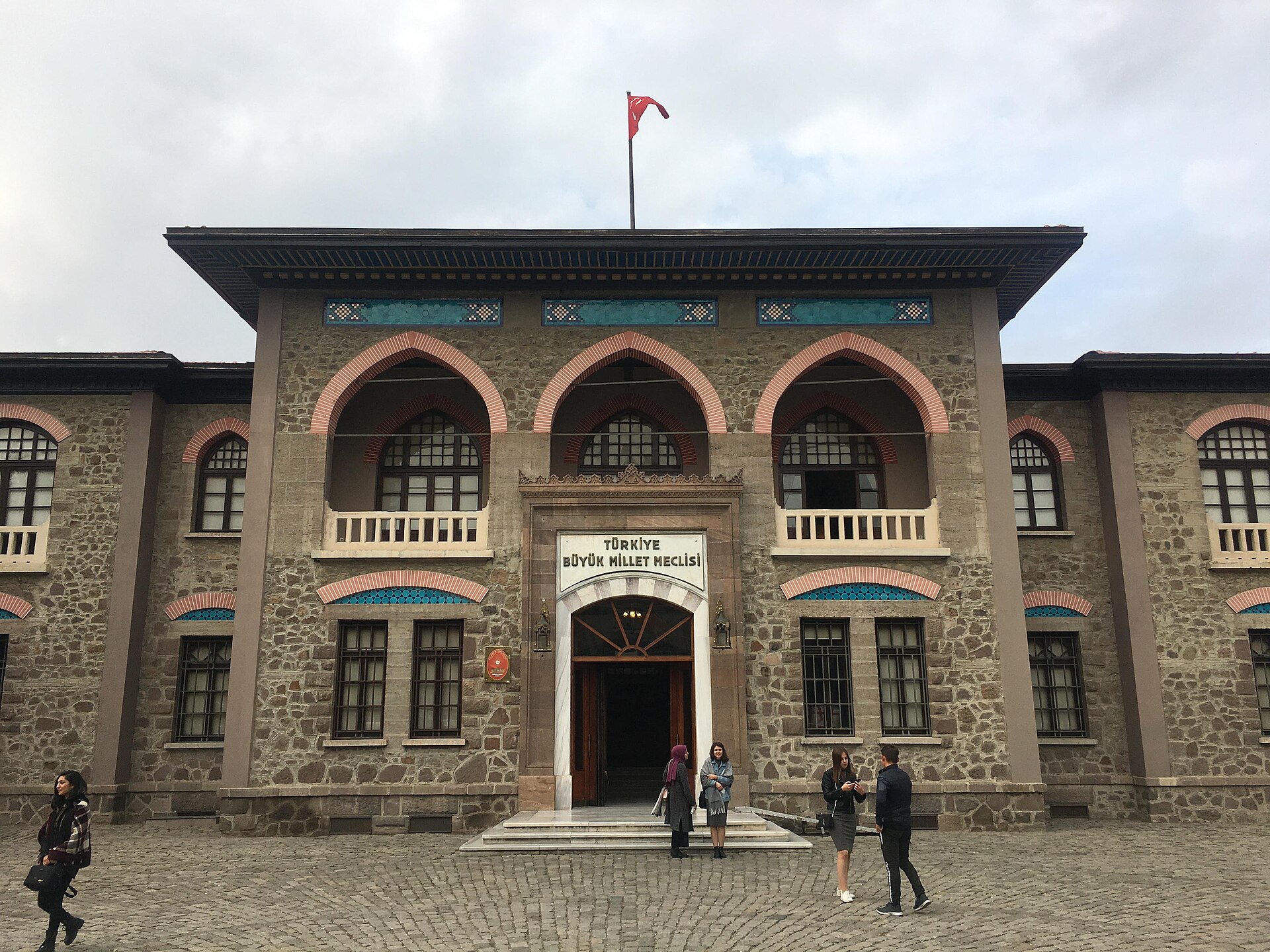
The First Assembly building in Ulus, Ankara
Ulus · Ankara

The First Assembly

On 23 April 1920 the Grand National Assembly opened in this building. The War of Liberation was directed from here; here the sultanate was abolished, and here the Republic was proclaimed.

Today: The Museum of the War of Liberation. The Assembly hall, the deputies’ wooden benches and the rostrum are preserved. The building opened as a museum in 1961 and has borne this name since 1981.

Photograph: Hajo-Muc, CC BY-SA 4.0

The statue of Mustafa Kemal at Kocatepe
Afyonkarahisar

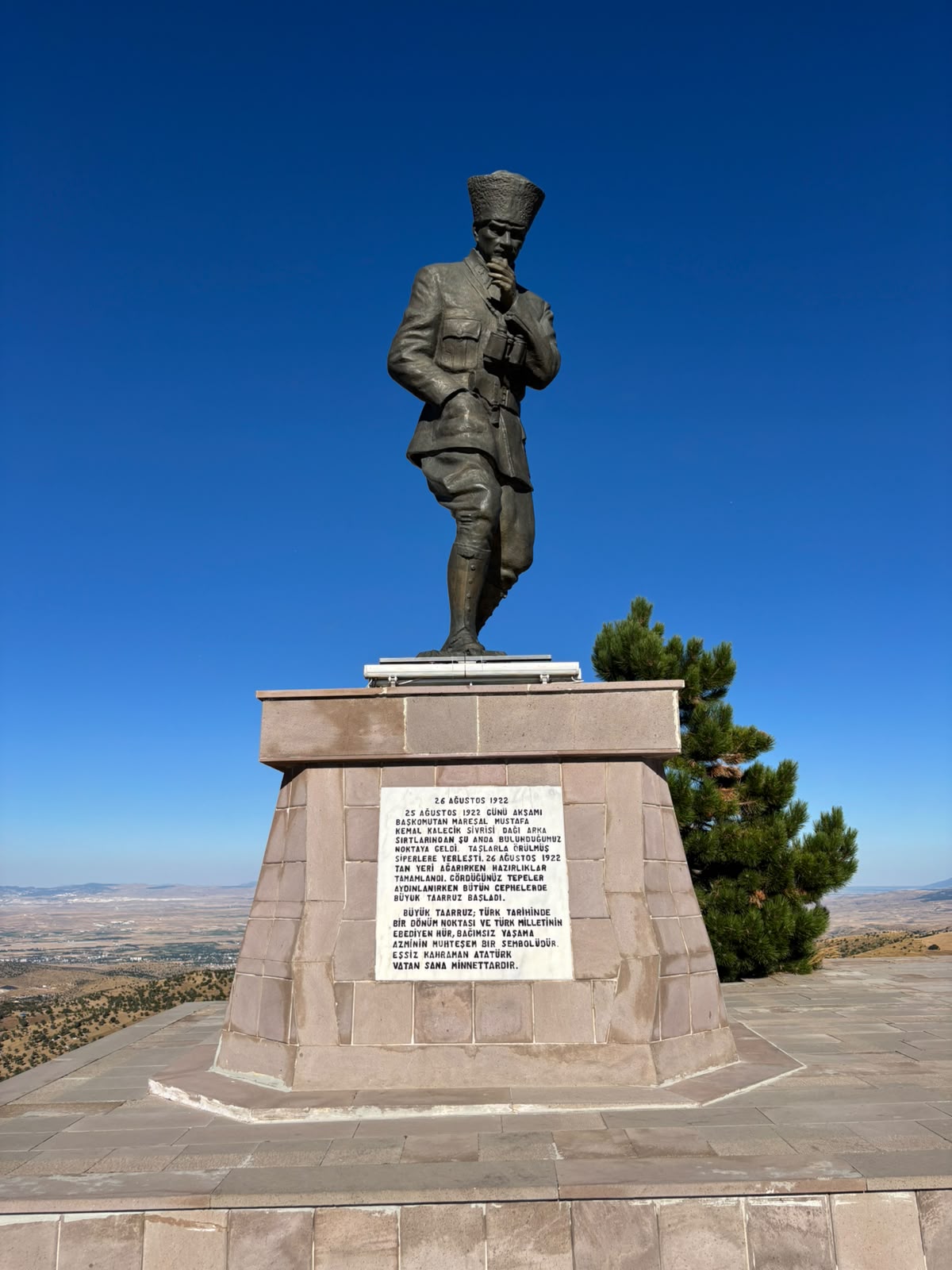
Kocatepe

He came to Kocatepe on the evening of 25 August 1922. At dawn on 26 August he directed the Great Offensive, watching it from the stone trenches here.

Today: On the hill there are a statue of Mustafa Kemal, the trenches and inscriptions telling of that morning. Every year at dawn on 26 August a commemoration ceremony is held here.

Photograph: Ünaydın, CC BY-SA 3.0

The Dumlupınar Cemetery of the fallen
Dumlupınar · Kütahya

Dumlupınar

On 30 August 1922 the Battle of the Commander-in-Chief was won on these hills; the main force of the Greek army was encircled and defeated. On 30 August 1924 he celebrated Victory Day here.

Today: The Dumlupınar Cemetery of the fallen and its memorials, within the Commander-in-Chief Historical National Park. Every year on 30 August the Victory Day ceremonies are held here.

Photograph: Fatih Renkligil, CC BY-SA 4.0

VI · 1923–1938

The houses of the Republic

The assembly, the house and the farm in Ankara; a grave in İzmir; the mansion in Trabzon; the palace in Istanbul and, last of all, Anıtkabir.

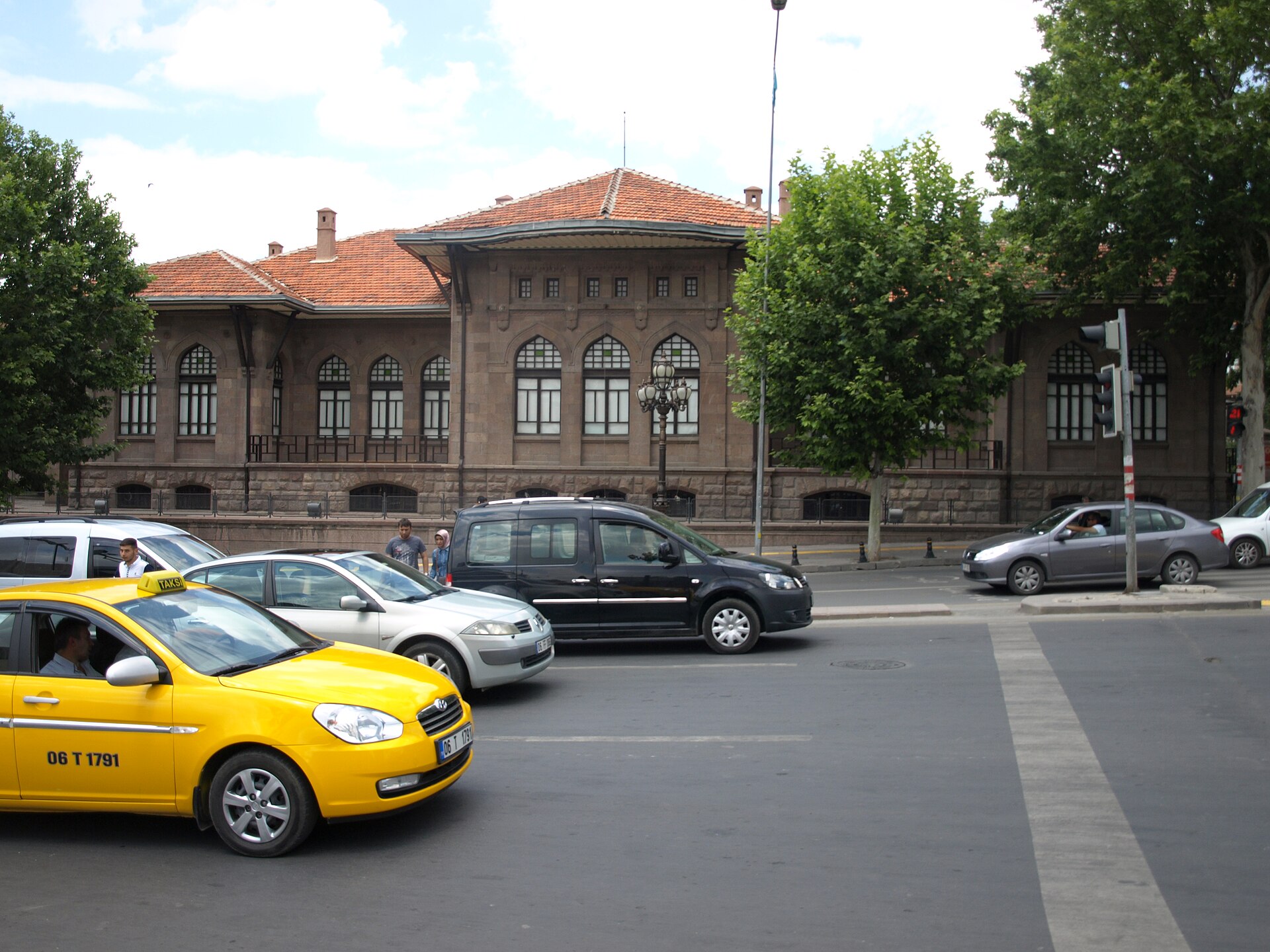
The Second Assembly building in Ankara, today the Museum of the Republic
Ulus · Ankara

The Second Assembly

The building designed by the architect Vedat Tek was opened to the Assembly on 18 October 1924. In October 1927 the Nutuk was read in this building over six days; most of the reform laws were adopted here.

Today: The Museum of the Republic, since 30 October 1981. The plenary hall is preserved as it was arranged in those years.

Photograph: Yiğit Can Günönü, CC BY-SA 4.0

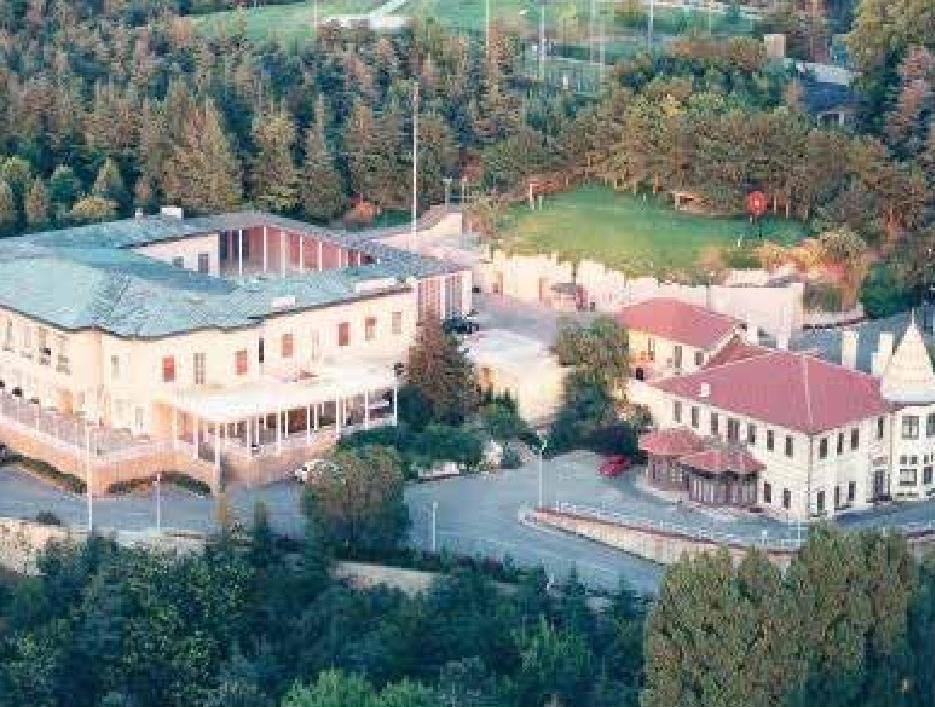
The Atatürk Museum Mansion at Çankaya and its surroundings, from the air
Çankaya · Ankara

The Çankaya Atatürk Mansion

An old vineyard house. It was given to him as a gift in 1921; from 1921 to 1932 he lived and worked here. On the evening of 28 October 1923, in this house, he told his friends that the Republic would be proclaimed the next day.

Today: The Presidential Atatürk Museum Mansion; a museum since 1950. Because it lies within the Presidential compound at Çankaya, the conditions for visiting change from time to time.

The Pink Mansion at Çankaya is İsmet İnönü’s house; Atatürk’s house is this vineyard house.

Photograph: from the article by Tuğba Andaç Güzel and Hacı Hasan Efe, CC BY 4.0

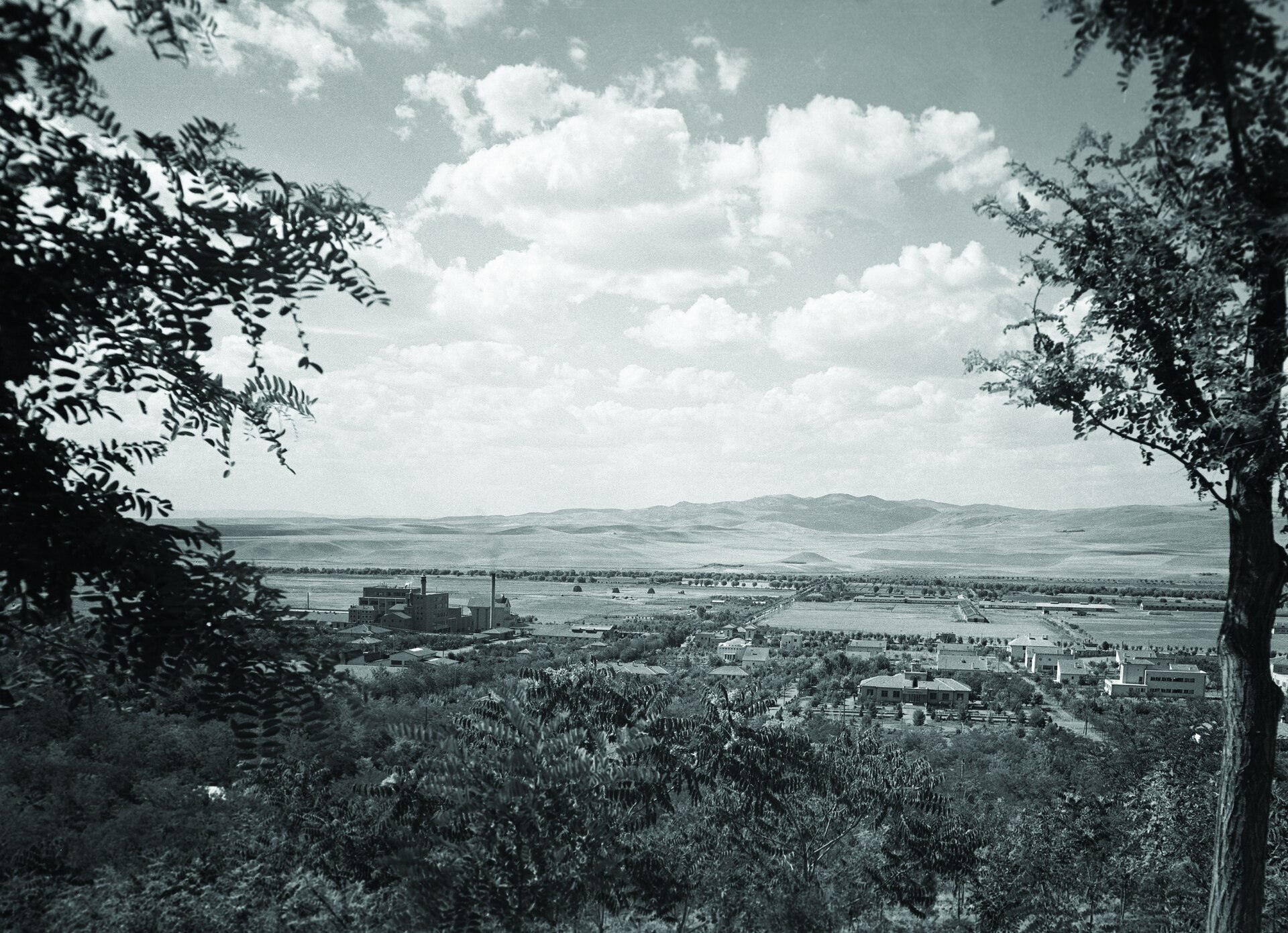
The Atatürk Forest Farm in 1939
Ankara

The Atatürk Forest Farm

The model farm he founded on 5 May 1925 on the barren steppe of Ankara. On soil where it was said no tree could be planted, he had trees planted and factories built. In 1937 he donated the farm to the Treasury.

Today: The land of the farm, run as a public institution, is one of the largest green areas remaining within Ankara. The farm’s historic buildings and the shops where its products are sold can be visited.

Photograph: 1939, Directorate General of Press and Publication, no restrictions

aoc.gov.tr →
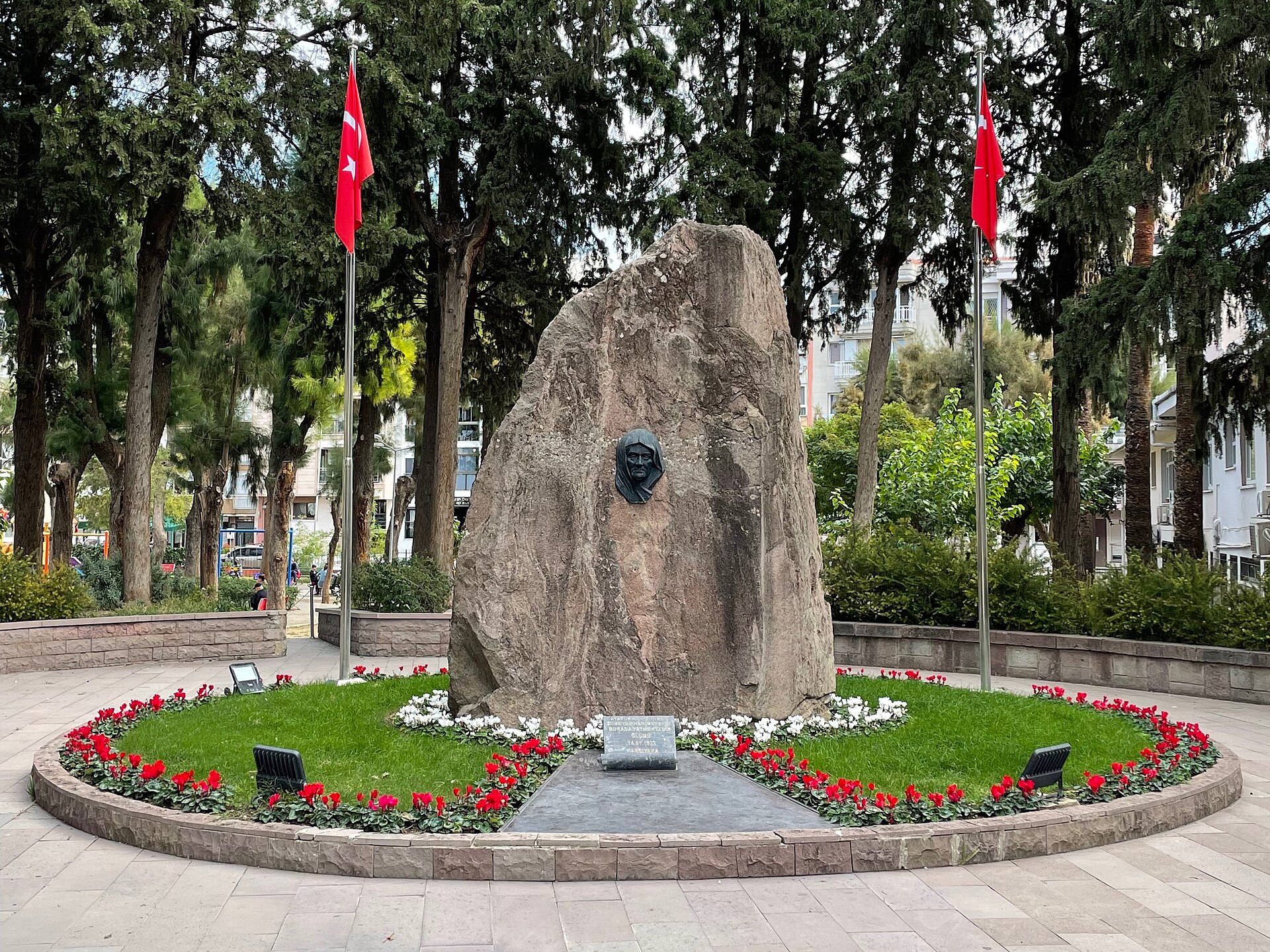
The Zübeyde Hanım Monumental Tomb in Karşıyaka, İzmir
Karşıyaka · İzmir

The Zübeyde Hanım Monumental Tomb

His mother Zübeyde Hanım died in Karşıyaka on 14 January 1923 and was buried here the next day. Her son could not reach her funeral in time; about two weeks later he came to her grave.

Today: A monumental tomb with a bronze relief of Zübeyde Hanım on a great rock; it took its present form in 1940. Every year on 14 January and on Mother’s Day a commemoration is held here.

Photograph: BSRF, CC BY-SA 4.0

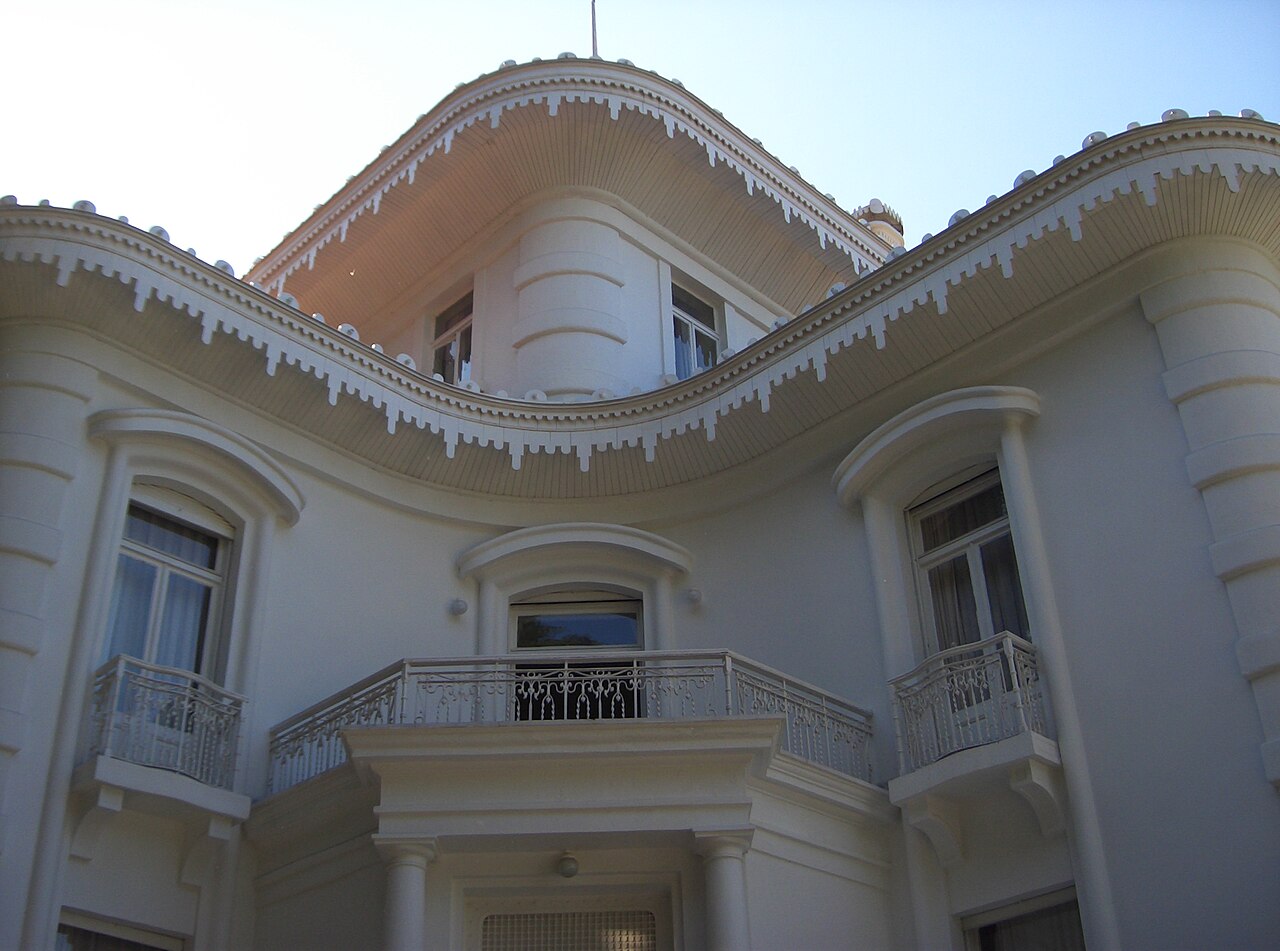
The façade of the Atatürk Mansion at Soğuksu, Trabzon
Soğuksu · Trabzon

The Trabzon Atatürk Mansion

The mansion that Mustafa Kemal saw and greatly admired when he came to Trabzon in 1924; the Provincial Special Administration of Trabzon gave it to him as a gift in 1931. He stayed here on his last visit to Trabzon in June 1937. On 11 June 1937, while in this mansion, he announced that he was donating his farms to the Treasury.

Today: A museum of the Trabzon Metropolitan Municipality. After restoration it reopened to visitors on 29 October 2023.

According to the sources, after his death the mansion passed to his sister Makbule Hanım, and in the 1940s to the Municipality of Trabzon.

Photograph: Selçuk Bağrışen, public domain

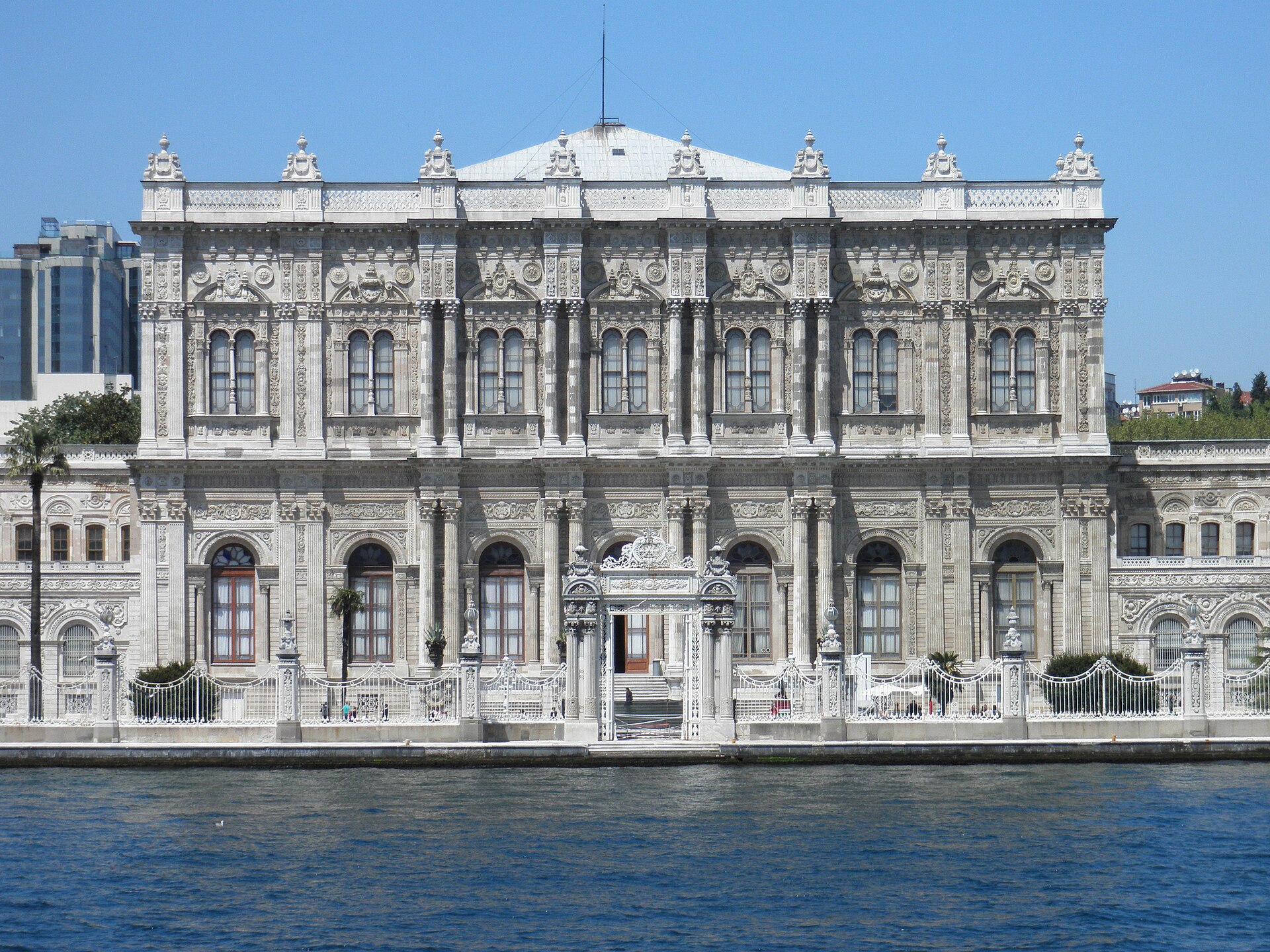
The façade of the Dolmabahçe Palace facing the Bosphorus
Beşiktaş · Istanbul

The Dolmabahçe Palace

On 1 July 1927, on his first visit to Istanbul in eight years, he stayed here; in the following years he spent his summers in Istanbul here. On the morning of 10 November 1938, at 09.05, he closed his eyes for the last time in this palace.

Today: A museum under the National Palaces. The room where he spent his last days is preserved. The Ceremonial Hall, where his body was laid for the people’s farewell, can also be visited.

Photograph: Mister No, CC BY 3.0

millisaraylar.gov.tr →
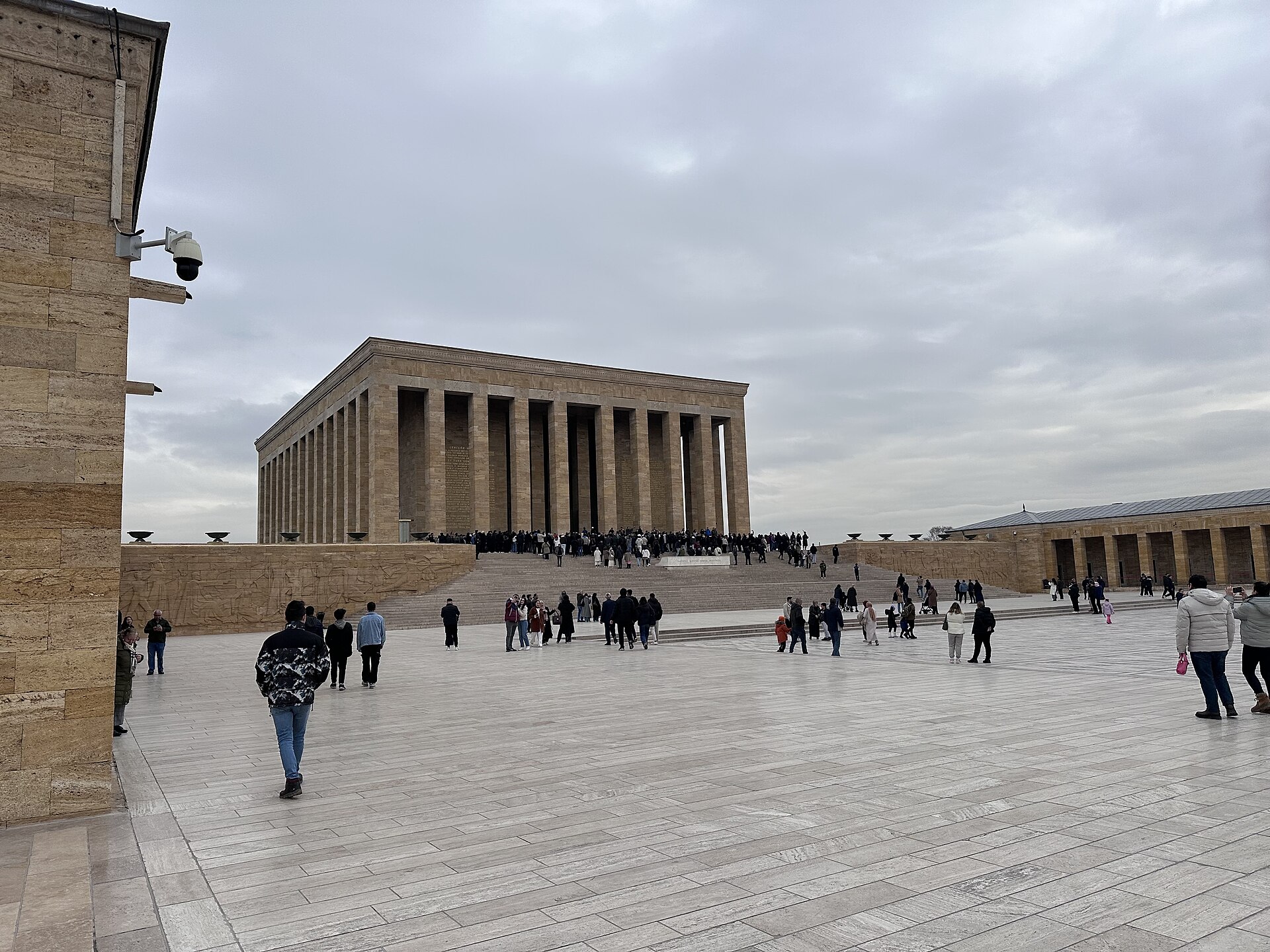
Anıtkabir, Ankara
Rasattepe · Ankara

Anıtkabir

From 1938 to 1953 his body remained in the Ethnography Museum. Anıtkabir, designed by Emin Onat and Orhan Arda, was built between 1944 and 1953, and on 10 November 1953 he was carried here with ceremony.

Today: The Road of Lions, the Ceremonial Square, the cenotaph (sanduka) in the Hall of Honour, and the Atatürk and War of Liberation Museum. Every 10 November at 09.05, people who have come from every corner of the country stand here in a moment of silence.

Photograph: Nicoleon, CC0

anitkabir.tsk.tr →
Rasattepe · 1941–1953

Anıtkabir: a story written in stone

For fifteen years after his death, his body waited in a temporary tomb in the Ethnography Museum in Ankara. In those years the nation searched for a monument worthy of him.

In 1941 an international competition was opened. Forty-nine designs came from Turkey, Germany, Italy, Austria, Switzerland, France and Czechoslovakia. The jury completed its assessment in March 1942; on 7 May 1942 the government chose the design of Emin Onat and Orhan Arda. The reason was that this design treated the national theme most successfully and sat best upon Rasattepe.

The foundation stone was laid on 9 October 1944, and the building was completed on 1 September 1953. On 10 November 1953 his body was carried here with a great ceremony.

Anıtkabir is not merely four walls and a few columns. It was conceived as a road that leads the visitor from below to above, from the crowd to silence, from outside the mourning into his presence. Below, we describe that road in the order in which the visitor walks it.

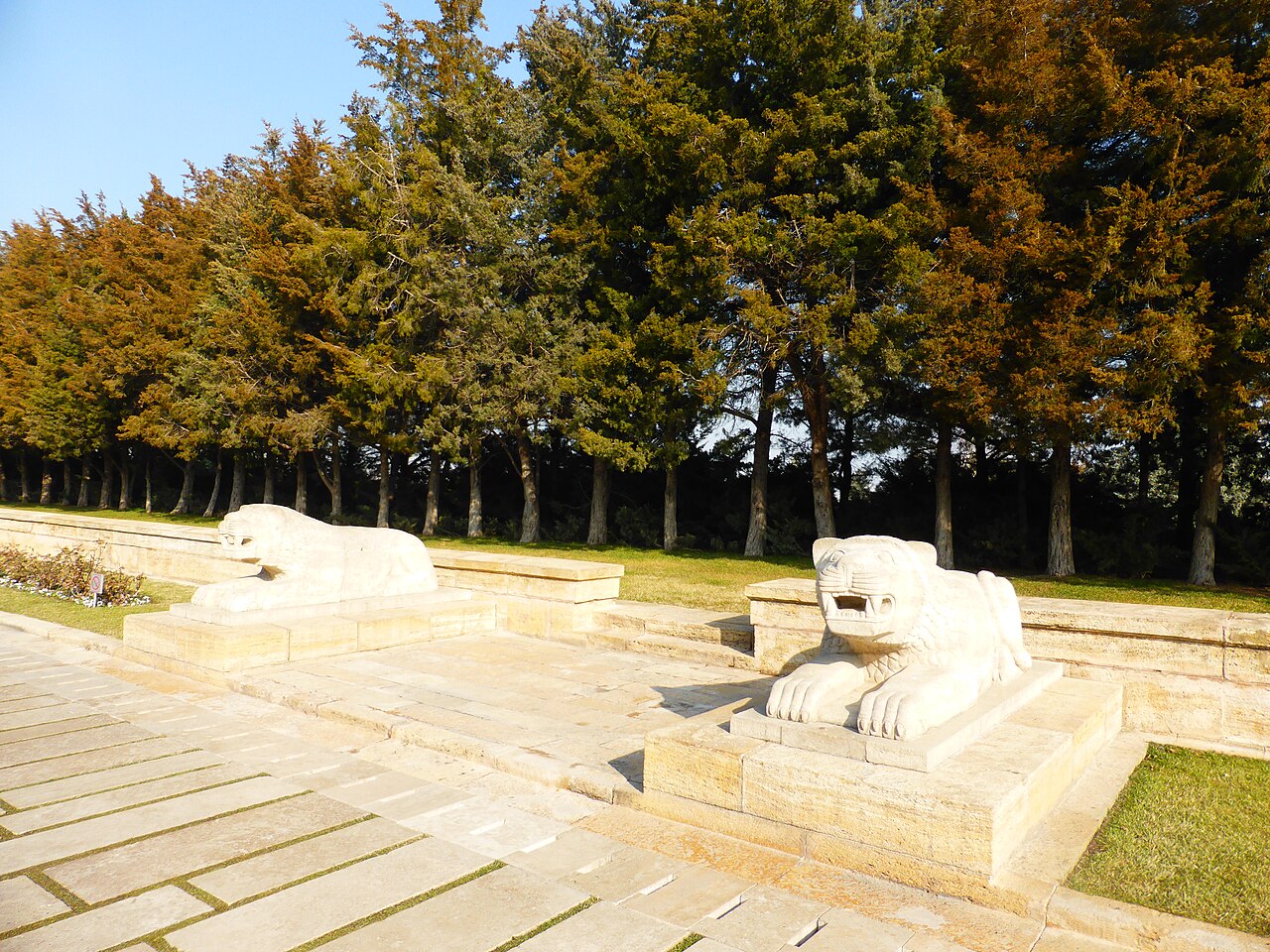
The lion statues at the start of the Road of Lions at Anıtkabir
The lions at the start of the Road of Lions. Photograph: Kemal Kozbaev, CC BY-SA 4.0.
The design of a monument

Along the road

Each step is built upon the one before: first mourning, then the nation, and at the very end, he himself.

  1. The visitor climbs up to Anıtkabir by 26 steps. Many sources link this number to 26 August 1922, the day the Great Offensive began.
  2. At the start of the road, to the right and to the left, stand two groups of statues. According to the official description, these groups express the nation’s grief at his death and prepare the visitor to approach the tomb with reverence.
  3. A road 262 metres long and 12.80 metres wide. Along its two sides stretch 24 lions, twelve on each side, in pairs, made in the artistic style of the Hittites, among the ancient peoples of Anatolia. Their lying posture expresses strength and calm together; popularly they are also interpreted as the 24 Oghuz tribes.
  4. 129 by 84 metres, it holds 15,000 people. Its floor is made up of 373 carpet compositions laid in black, red, yellow and white stone: the square is like a great Turkish carpet spread on the ground. The ceilings of the colonnades surrounding it also bear kilim motifs.
  5. Each of the ten towers around the square and the road has a name: Freedom, Independence, Mehmetçik (the Turkish soldier), Victory, Defence of Rights, Republic, Peace, 23 April, National Pact and Revolution. The reliefs and inscriptions inside them were chosen according to these names; together, the towers tell of the road that leads from the National Struggle to the Republic.
  6. From the square one climbs to the monument block by 42 steps. On both sides of the staircase stand two great victory reliefs: the pitched Battle of Sakarya and the Battle of the Commander-in-Chief.
  7. A hall surrounded by square columns 14.40 metres high, with a ceiling 17 metres up. Twelve bronze torches burn on the side walls. Opposite, in a niche, stands the cenotaph, the sanduka, made of a single piece of stone. This is the stone before which the visitor stands in silent respect.
  8. His actual grave lies directly beneath this cenotaph, in the octagonal chamber under the Hall of Honour. The chamber has an octagonal plan like the Seljuk and Ottoman tombs; its ceiling rises in the form of a pyramid and is decorated with geometric mosaics. The red marble sarcophagus faces the qibla. In the brass vessels around it is soil sent from all the provinces of Turkey, from Azerbaijan and from Cyprus. He is surrounded by the soil of every corner of the homeland.

    This arrangement is a deep-rooted tradition of Turkish funerary architecture. The kümbets (tomb towers) of the Seljuk period were built with two storeys: the dead were buried in the lower part, called the “cenazelik” or “mumyalık”; in the visiting space on the upper floor stood the sanduka placed over the grave. The TDV İslâm Ansiklopedisi records that the sanduka tradition spread mainly with Seljuk culture and that the oldest surviving examples belong to this culture. In the Mevlânâ Tomb in Konya and in the tomb of the Seljuk sultans in the courtyard of the Alâeddin Mosque, too, what the visitor stands before is the sanduka over the grave. The Anıtkabir Command describes the Burial Chamber as being in the style of Seljuk and Ottoman tombs; the placing of the cenotaph and the actual grave one above the other is a continuation of this tradition.
  9. Beneath the Hall of Honour is the Atatürk and War of Liberation Museum, of about 3,000 square metres; it opened in 1960 as the Atatürk Museum and was later expanded into its present form. Its entrance is through the National Pact Tower. His personal belongings, his clothes, his marshal’s uniform, his exercise equipment, the pennant of his official car and the original of the Hatay flag he drew himself are here. Part of the belongings were donated by his adopted daughters Afet İnan, Rukiye Erkin and Sabiha Gökçen. The Gallipoli panorama, the halls of the National Struggle and of the reforms, and his library, with the books he underlined and annotated as he read, are also in the museum.
  10. In the middle of the colonnade that joins the Victory and Peace towers lies his comrade in arms İsmet İnönü. İnönü, who died on 25 December 1973, was buried here on 28 December 1973.
From every corner of the homeland

The stones of a homeland

The stones of Anıtkabir did not come from a single place. Each was brought from a different corner of Anatolia, with its own colour.

  1. The white travertine of the Road of Lions, the Ceremonial Square and the stairs.
  2. From Kumarlı, the white travertine of the lions, the statues and the columns; from Boğazköprü, the black and red travertine of the towers’ floors.
  3. The yellow travertine of the outer walls, the colonnades and the victory reliefs beside the staircase.
  4. The cream, red and black marbles of the floor of the Hall of Honour.
  5. The tiger-skin-patterned marble on the side walls of the mausoleum and the white marble of the sarcophagus chamber.
  6. The green marble of the inner walls of the Hall of Honour.
  7. Two single-piece blocks cut from the Gâvur Mountains, each weighing about 40 tonnes: the sarcophagus.
The language of the architecture

Anıtkabir was built in the spirit of the “Second National Architecture” of the 1940s: monumentality, symmetry and stone. But the true language of the building lies in its stone. The stones brought from every corner of Turkey, from Kayseri to Hatay, from Çanakkale to Bilecik, are the homeland he founded, gathered together.

From Gallipoli to the world

His name around the world

The nations that fired on one another at Gallipoli chose, years later, to remember their dead together. On 25 April 1985 Turkey officially recognised the name of the shore at Arıburnu as “Anzac Cove”; Australia and New Zealand in return built memorials in his name on their own soil.

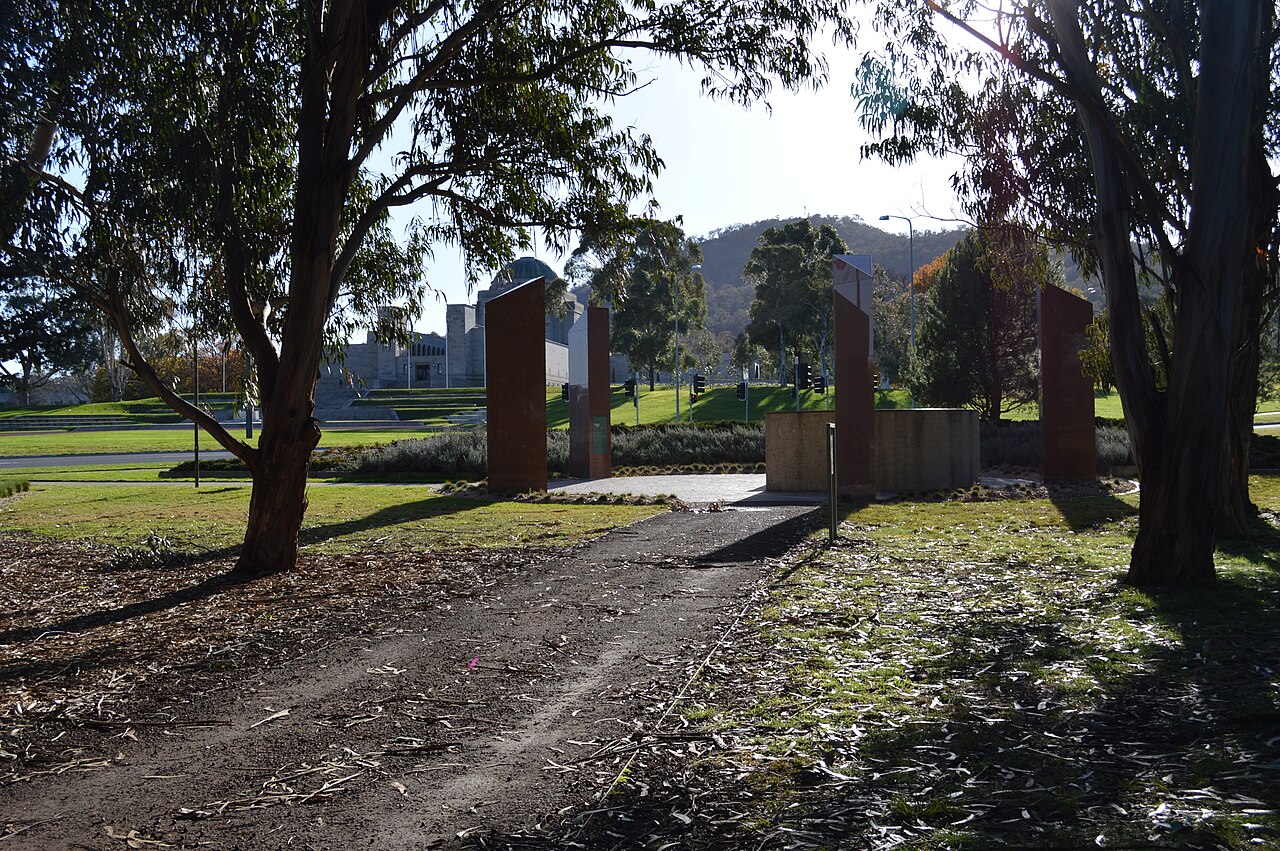
The Kemal Atatürk Memorial in Canberra; behind it the Australian War Memorial
Anzac Parade · Canberra, Australia

The Kemal Atatürk Memorial

In Australia’s capital, directly opposite the Australian War Memorial. It was built in 1985, in the seventieth year after Gallipoli. A crescent-shaped wall; at its centre, soil brought from Gallipoli; on the wall, his bronze portrait made by the sculptor Hüseyin Gezer. The pines around it were grown from the seeds of the lone pine at Kanlısırt (Lone Pine).

Today: It is the only memorial on Anzac Parade built in the name of a one-time enemy commander; it honours the soldiers of both sides together. It was renewed in 2007.

Photograph: Mattinbgn, CC BY 3.0

Tarakena Bay · Wellington, New Zealand

The Atatürk Memorial

On the Miramar Peninsula of Wellington, on a ridge overlooking the sea. It was opened in April 1990, in the 75th year after Gallipoli. A marble crescent designed by the architect Ian Bowman; within it lie soil brought from Anzac Cove and a bust of Mustafa Kemal. The New Zealand government, in return for what Turkey had done at Anzac Cove, had wanted a memorial here for the Turkish soldiers as well.

Today: Every year on Anzac Day a commemoration ceremony is held here too.

King George Sound · Albany, Western Australia

The Atatürk Entrance

In November 1914 the ships carrying the first soldiers of Australia and New Zealand to the war set out from this harbour. On 25 April 1985, in return for the name Anzac Cove, the entrance to Princess Royal Harbour officially received the name “Atatürk Entrance”.

Today: Since 2002 a life-size statue of him has stood on the hill overlooking the channel.

New Delhi · Islamabad · Dhaka · Marsa · Guayaquil

Streets that bear his name

In New Delhi, the road leading from Chanakyapuri, where the embassies are, to the city centre bears the name “Mustafa Kemal Atatürk Marg”. In Islamabad, the capital of Pakistan, there is Atatürk Avenue (Ataturk Avenue), and in Dhaka, the capital of Bangladesh, the main road of the Banani district is Kemal Atatürk Avenue. In the town of Marsa in Malta, a street near the historic Turkish Cemetery took his name in 2025; the sign at its entrance reads “Yurtta sulh, cihanda sulh” (Peace at home, peace in the world). In Guayaquil, the largest city of Ecuador, a street was also given Atatürk’s name in 2026.

These three countries were all once under British colonial rule.

Gallipoli · Canberra · Wellington · Albany

To the mothers in distant lands

The same words are written on all these memorials. The words are addressed to the enemy soldiers who died at Gallipoli, and to their mothers.

The Turkish text known in Turkey reads as follows:

“Those heroes that shed their blood on the soil of this country! You are now lying in the soil of a friendly country. Therefore rest in peace. You lie side by side, in each other’s arms, with the Mehmetçiks. You, the mothers, who sent your sons from faraway countries! Wipe away your tears. Your sons are now lying in our bosom. They are in peace, and will sleep peacefully. After having lost their lives on this land, they have become our sons as well.”

Inscribed on the memorials with Atatürk’s name and the date 1934

The inscription at Anzac Cove was placed in English on 25 April 1985; in the same year it was also inscribed in English on the memorial in Canberra.

Whose words are these?

It is not certain that the words belong to Atatürk; historians hold differing views on this.

To this day, no text dated 1934 from his own hand has been found. The oldest known source of the text is the interview that the former Minister of the Interior, Şükrü Kaya, gave to the newspaper Dünya on 10 November 1953. There Kaya recounted that in 1934 he had read, at Gallipoli and on Atatürk’s behalf, a speech that Atatürk had written. Turkey’s Embassy in Canberra also presents the words as the message read by Şükrü Kaya on Atatürk’s behalf on 18 March 1934.

Australian researchers, however, write that no trace of such a speech has been found in the newspapers of 1934. In 2015 the Turkish researcher Cengiz Özakıncı argued that the words do not belong to Atatürk; the historian Burcu Çevik-Compiègne, too, holds the view that the text was written by Şükrü Kaya. The sentence “There is no difference between the Johnnies and the Mehmets”, found in the English text on the memorials, was added in 1978 by Alan J. Campbell, who was preparing a memorial in Brisbane; this sentence is not in the Turkish text.

One more thing is known from documents: in a message he gave to the Daily Mail newspaper, published in Brisbane on 25 April 1931, Atatürk said that the Turks would always honour the Anzac dead at Gallipoli.

What is certain is this: in 1985 Turkey, Australia and New Zealand wrote these words in stone under his name. With these words, the nations that faced one another at Gallipoli chose to remember their dead not with enmity, but in shared mourning.