When the Ottoman state entered the First World War in the autumn of 1914, Mustafa Kemal was military attaché in Sofia. He did not want to stay behind a desk; he wrote to Istanbul again and again, asking for a post at the front.
The post he asked for was given to him at the gate leading to the heart of the empire. A fleet that passed through the Dardanelles (the Çanakkale Strait) could appear before Istanbul; if Istanbul fell, the war would be over, and so would the state. This page is the page of the eleven months spent before that gate: at sea, on the beach, in the trenches, on the ridges.
A newly named division
On 20 January 1915, Lieutenant Colonel Mustafa Kemal was appointed commander of the 19th Division, then being newly formed in Tekirdağ.
In its first days the division was no more than a name on paper. Regiments were arriving from elsewhere, soldiers were being gathered, training was just beginning. Mustafa Kemal shaped this unit with his own hands: he got to know its officers, walked the same roads as the soldiers, directed the exercises himself.
At the end of February the division moved to Maydos, today’s Eceabat, on the Strait shore of the Gallipoli Peninsula. Headquarters were set up a little inland, in the village of Bigalı. From here it could watch over both the Strait and the peninsula’s western coast facing the Aegean, Arıburnu and Kabatepe.
One of the division’s most trusted units was the 57th Infantry Regiment, under the command of Lieutenant Colonel Hüseyin Avni Bey.
Twenty-six mines in the dark
Since February, British and French ships had been pounding the forts at the entrance to the Strait.
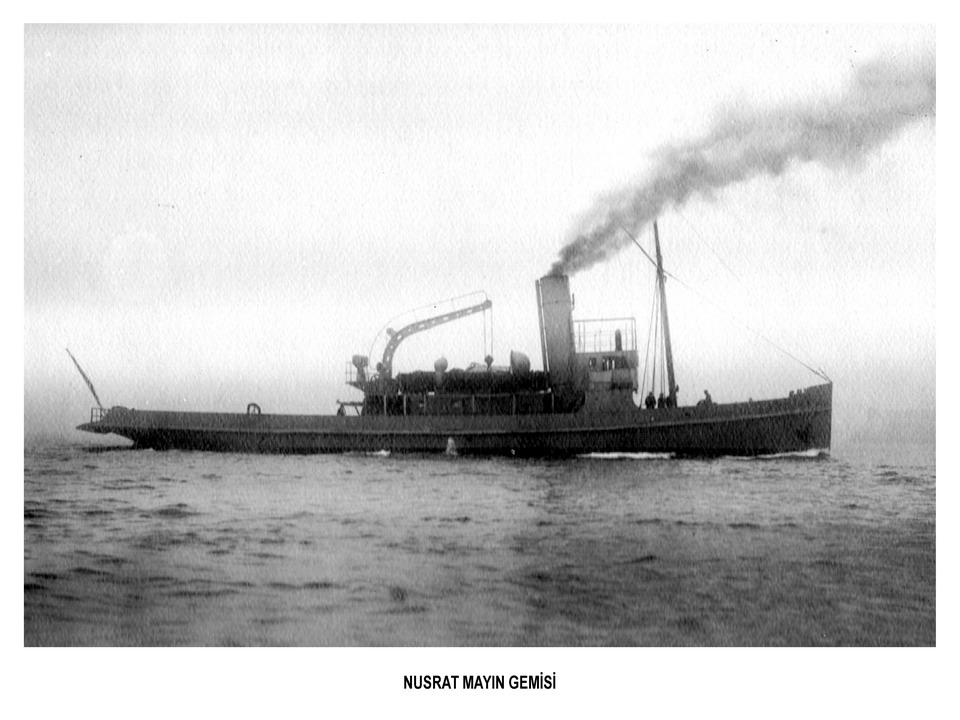
One night, the Nusret, a small minelayer, put out her lights and slipped into Erenköy Bay. Where the enemy ships made their turn, she laid twenty-six mines in a single line parallel to the shore, and quietly returned.
No one learned of this line. Ten days later, this silent night would bear its fruit.
The day the sea could not be passed
On the morning of 18 March, British and French battleships launched a great attack to force their way through the Strait.
The forts on the shore were under shellfire for hours. As gunners were wounded, others took their places. As the story is told, at the Rumeli Mecidiye fort, when a gun’s hoist broke, Corporal Seyit carried the shell on his back and loaded it himself; this story became the symbol of all the gunners of that day.
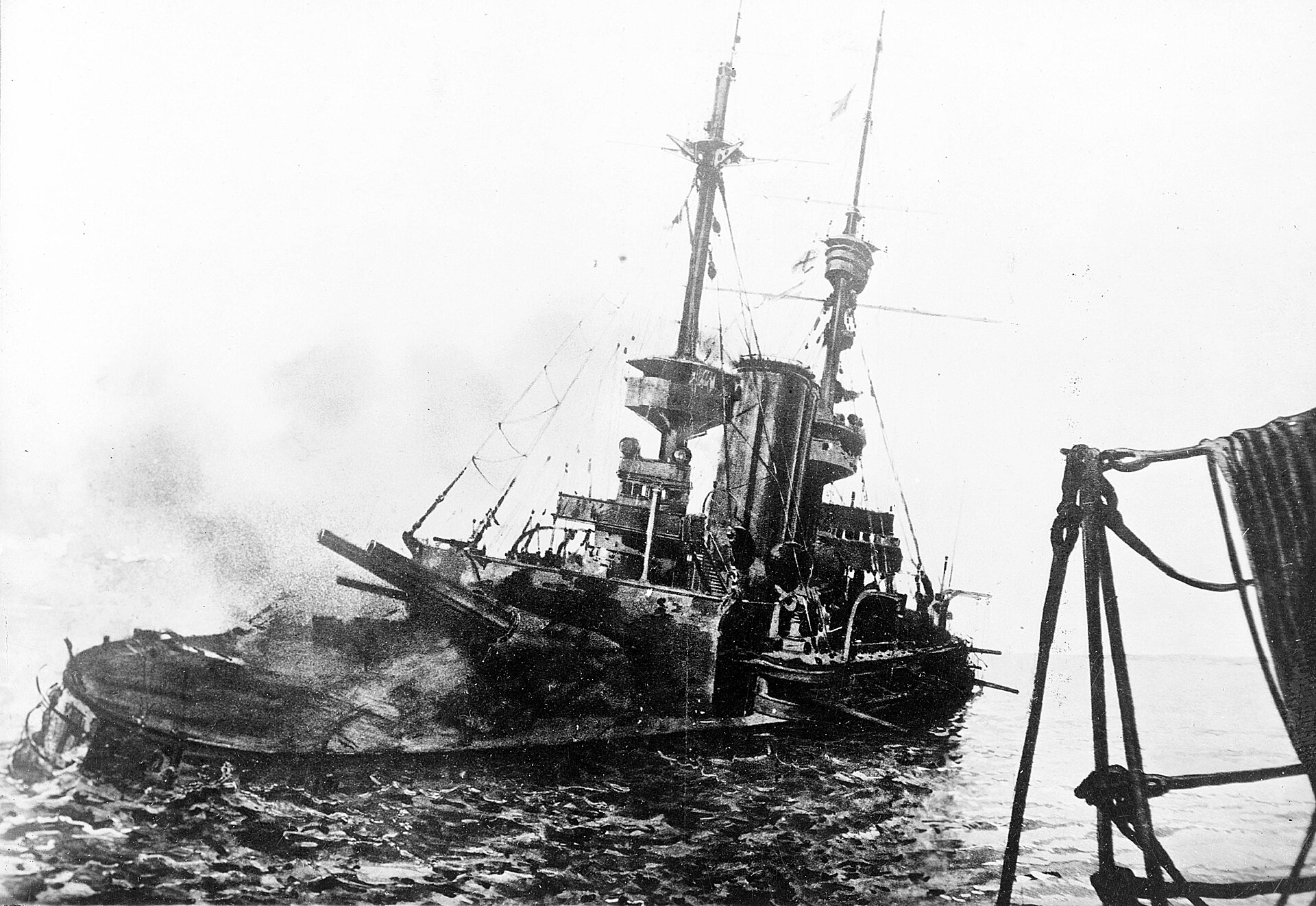
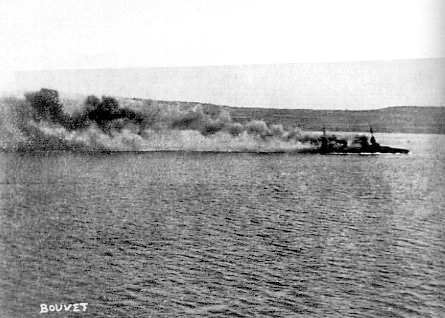
In the afternoon, the French battleship Bouvet struck a mine in Erenköy Bay and within a few minutes sank with most of her crew. Then the British battleships Irresistible and Ocean also struck mines, were put out of action and sank. Other ships were badly damaged.
When evening came, the fleet withdrew. The Strait had not been passed.
18 March is a victory of the navy and the coastal artillery; Mustafa Kemal took no part in this battle. At the time he was inland on the peninsula with his division, awaiting the coming land campaign. But 18 March changed the course of the war: the Allies now decided to open the Strait from the land.
The waiting
For five weeks, everyone asked the same question: where will the enemy land?
The German general Liman von Sanders, commander of the Fifth Army defending the peninsula, saw the main danger in the north, around the Gulf of Saros and Bolayır. Mustafa Kemal, however, had walked the ground step by step and come to his own conclusion: the enemy would land either in the south at Seddülbahir (Cape Helles) or on the Kabatepe–Arıburnu coast; from there it would try to seize the spine of the peninsula.
The name of this ridge was Kocaçimen; Conkbayırı stretched along its slopes. Whoever commanded it would also command the Strait. Mustafa Kemal often took his division out on exercises on these hills. His soldiers came to know in advance the ridges on which, a few weeks later, they would give their lives.
Without waiting for orders
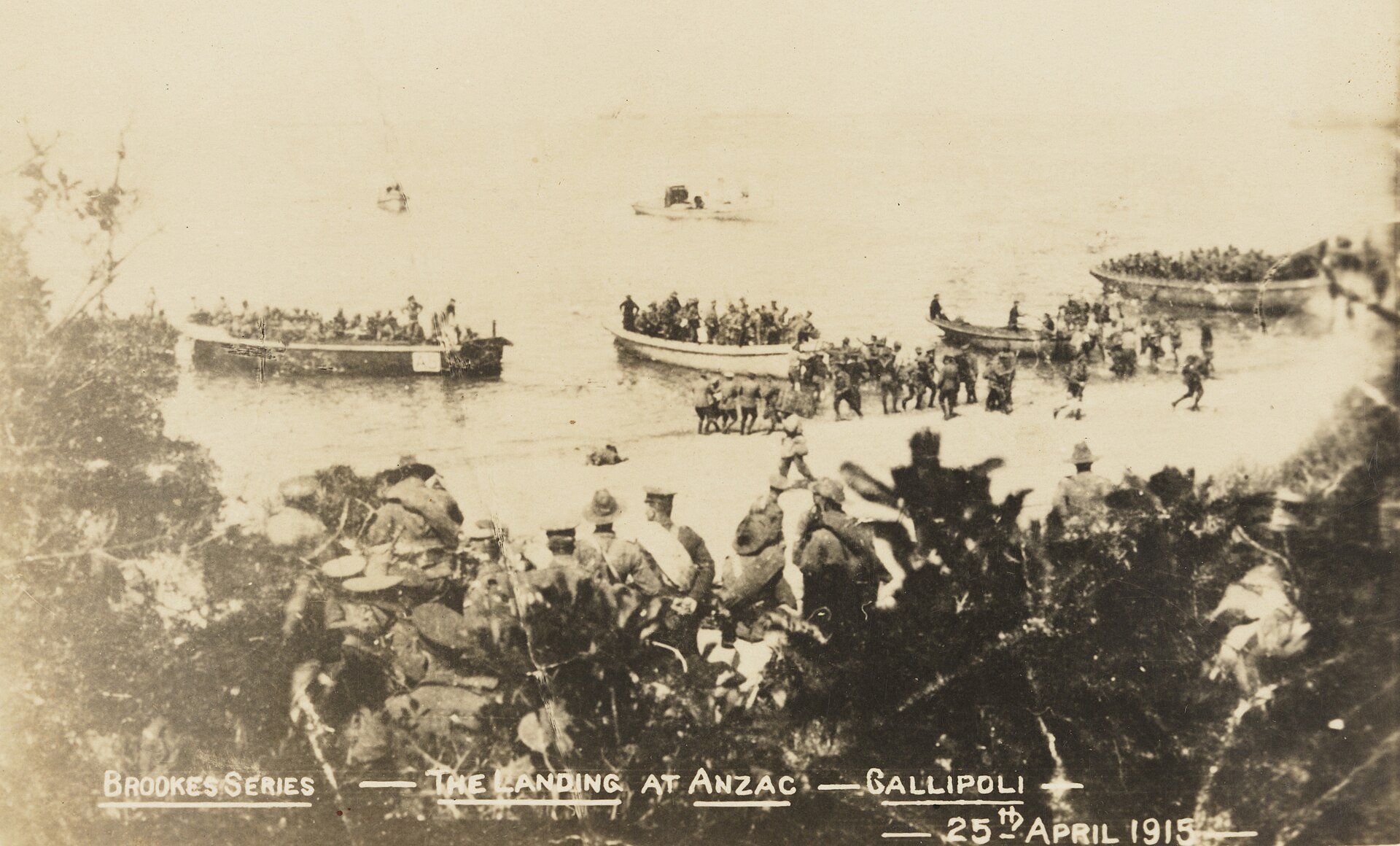
At first light on 25 April, the soldiers of the Australian and New Zealand Army Corps (ANZAC) began landing on the shore at Arıburnu. That same morning, the British were landing in the south, at Seddülbahir.
The few Turkish soldiers waiting on the shore tried to hold out until their companies arrived. The 27th Regiment, too, marched from its position towards the shore. At headquarters in Bigalı, Mustafa Kemal understood from the reports coming in that the landing was a large one and that the enemy’s objective was the Kocaçimen ridge.
Halil Sami Bey, commander of the 9th Division, had asked him to send one battalion against the enemy. But he saw that one battalion would not be enough. Without waiting for a definite order from higher command, he took the 57th Regiment and a mountain battery with him and set out. This decision would later be counted among the most critical decisions of the entire war.
He himself walked at the front, towards the hills. The way led through thick scrub and steep slopes. The soldiers came running behind him.
“We have no ammunition left”
When he reached Conkbayırı, he came upon a group of soldiers falling back from the shore.
By his own account, he asked the soldiers why they were running. “The enemy is coming,” they said, and pointed to the enemy soldiers advancing behind them. They said their ammunition was gone.
Mustafa Kemal told them that if they had no ammunition, they had their bayonets. He had them fix bayonets and lie down on the ground. Seeing the soldiers lie down, the enemy soldiers too stopped and lay down.
These few minutes were everything. The 57th Regiment arrived; the enemy’s climb up the ridge was stopped at that very moment. Mustafa Kemal would later recount that the time gained here had decided their fate.
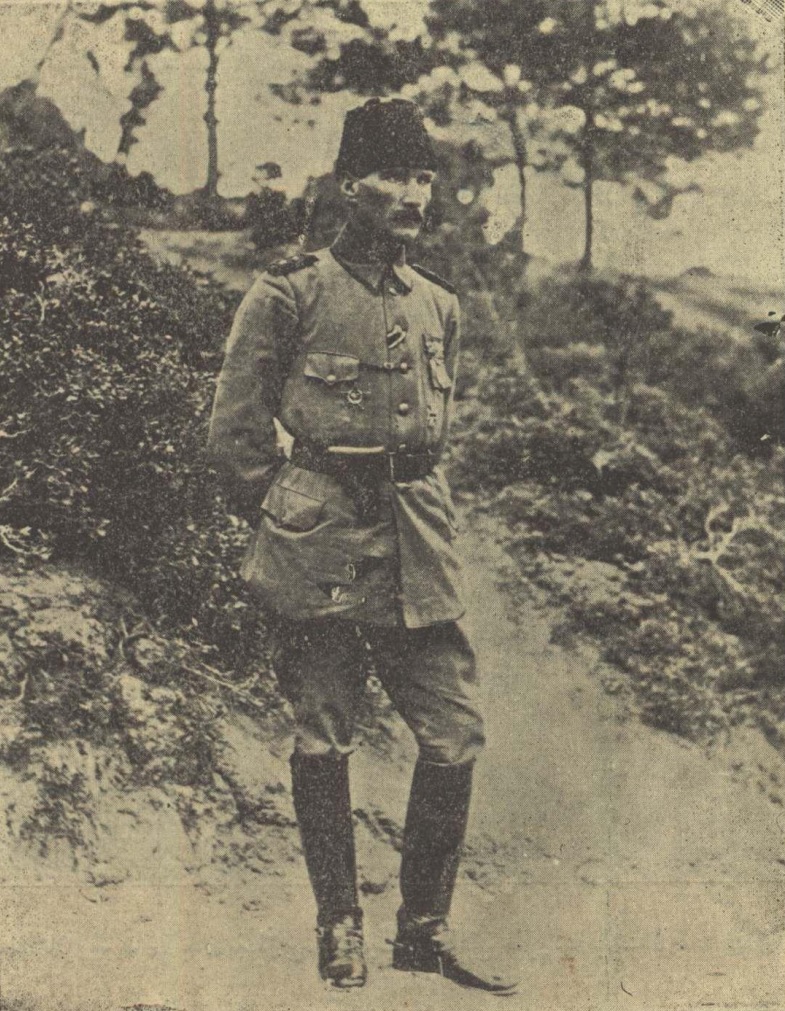
Not an attack
When the regiment had assembled, Mustafa Kemal gave the commanders the order to attack. Within the order were two sentences that carry the whole meaning of Gallipoli.
“I am not ordering you to attack; I am ordering you to die. In the time that passes until we die, other forces and commanders can take our places.”
Mustafa Kemal · interview by Ruşen Eşref, 1918
This was not cruelty but a calculation, and at the very front of that calculation stood he himself. The enemy who had landed were far too many; the Turkish forces coming up behind needed hours to arrive. The only thing that could buy those hours was people who would not give up the hill.
On that day and the days that followed, the 57th Regiment attacked without pause on the ridges between Kanlısırt (Lone Pine) and Conkbayırı. The enemy could not reach its objective, the Kocaçimen ridge. The ANZAC soldiers were hemmed into a narrow area near the shore and remained there until the end of the campaign.
The absence of a regiment
In these first days, the 57th Regiment lost the great majority of its officers and soldiers. The regimental commander, Hüseyin Avni Bey, also fell at the front in August, a şehit, as Turks call those who give their lives for their land.
Who fell where was often never known; many lie to this day in unnamed graves. There were also those who survived. The best known of them is Hüseyin Kaçmaz; he lived a long life and was remembered as one of the last witnesses of the 57th Regiment.
Today, on the road to Conkbayırı, stands the 57th Regiment Memorial (Şehitliği), built for the regiment’s fallen. There, visitors read the story of a handful of people who once held these ridges.
“I am not ordering you to attack; I am ordering you to die.”
Mustafa Kemal, to his commanders · 25 April 1915 · interview by Ruşen Eşref, 1918The great night attack
In mid-May, new Turkish divisions arrived on the peninsula. The aim was to drive the ANZAC soldiers into the sea.
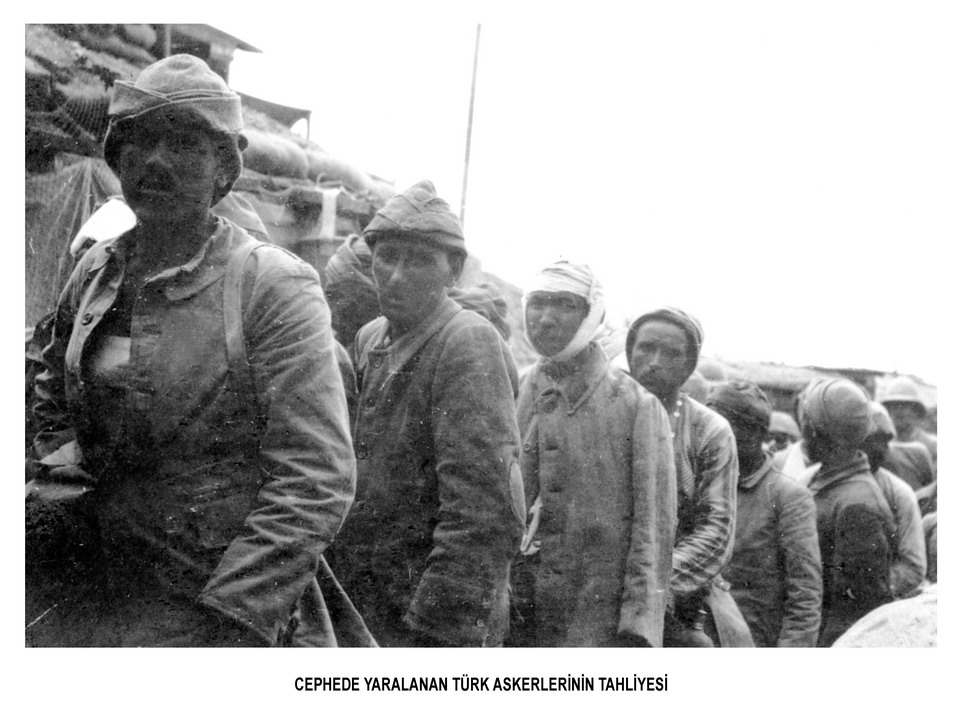
In the darkness of 19 May, thousands of Turkish soldiers charged towards the enemy trenches. But the trenches opposite had by now been strengthened, and the machine guns were in place. Within a few hours the attack came to a halt, with heavy losses.
When morning came, the narrow ground between the two lines of trenches had become a field where thousands of the fallen and the wounded lay. No one could reach anyone. Days passed under the May sun.
Nine hours when the guns fell silent
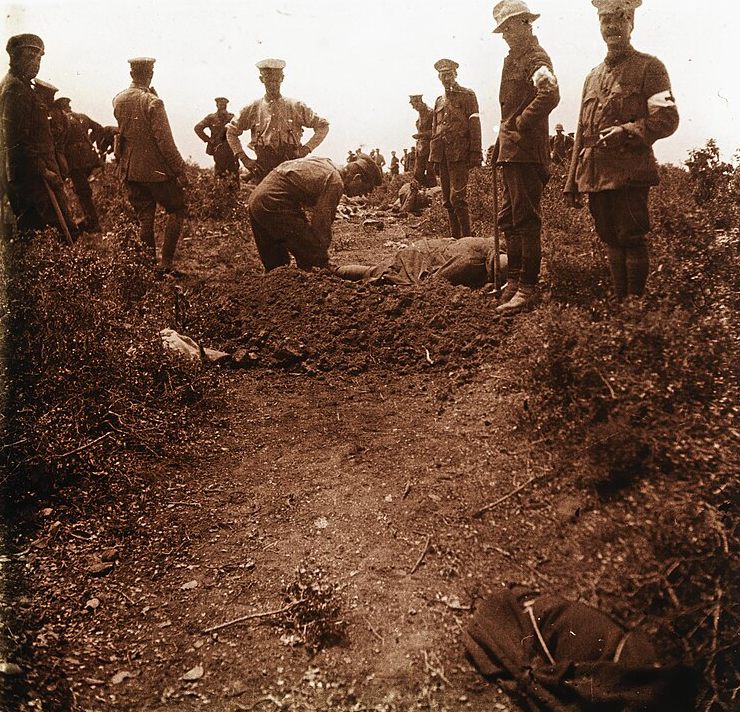
On 24 May, the two sides agreed a truce of a few hours to bury their dead.
In this silence, lasting from morning until afternoon, soldiers who had been firing at each other a few days earlier dug the same earth. Turkish and ANZAC soldiers buried their own dead, and sometimes the dead of the other side.
According to witnesses, some soldiers offered each other cigarettes and talked in gestures. When evening came, everyone returned to his own trench, and the war went on where it had left off.
That day, the soldiers of both sides saw that those facing them were human beings like themselves. This feeling would live on in all the later memories of Gallipoli.
A world eight metres wide
In some places there were only a few paces between the trenches of the two sides. You could hear the soldier opposite cough.
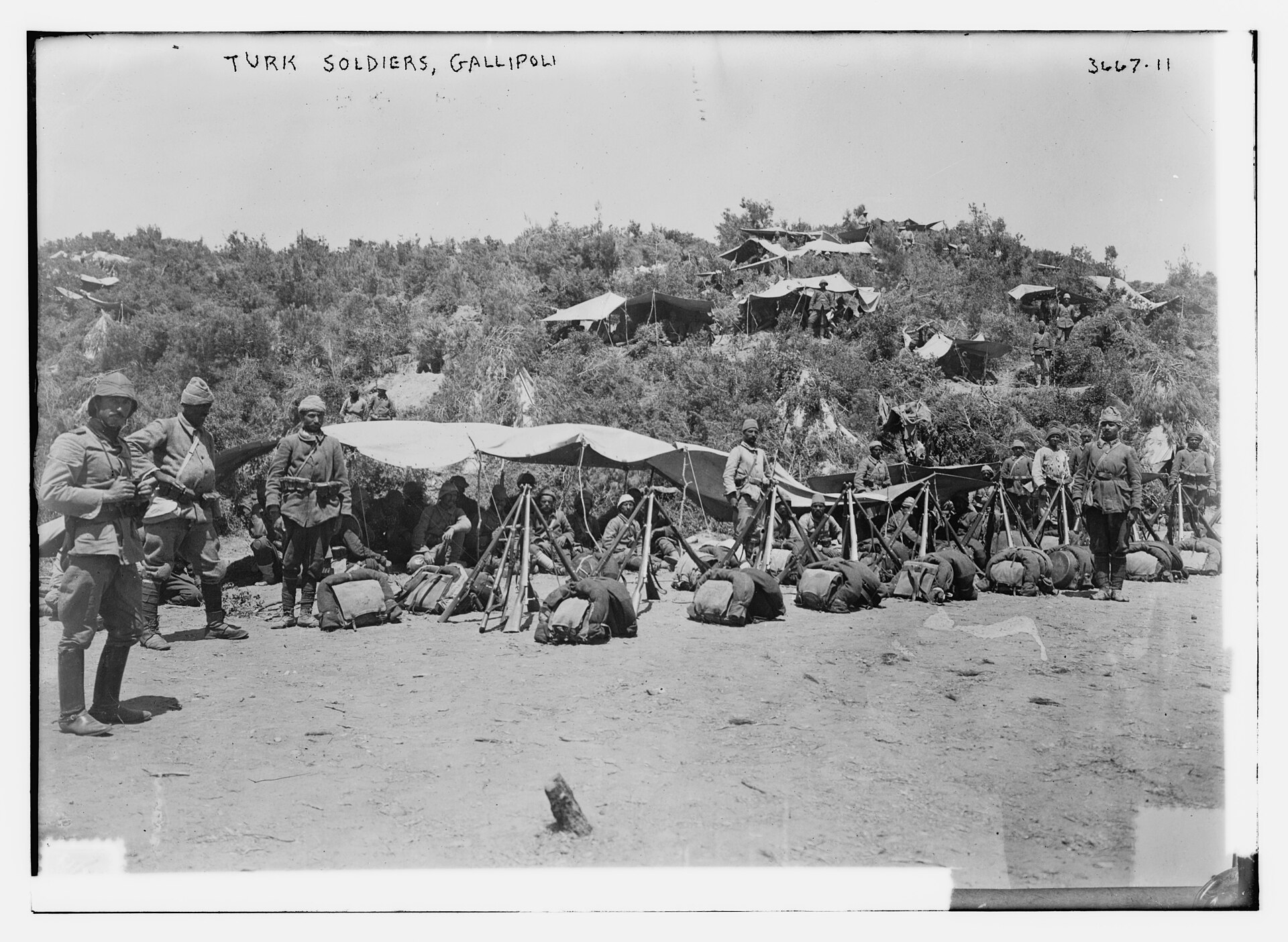
When summer came, the heat, the flies and the thirst became as deadly as the war itself. Drinking water had to be carried in, and food was scarce. Dysentery and typhoid took as many lives as the bullets.
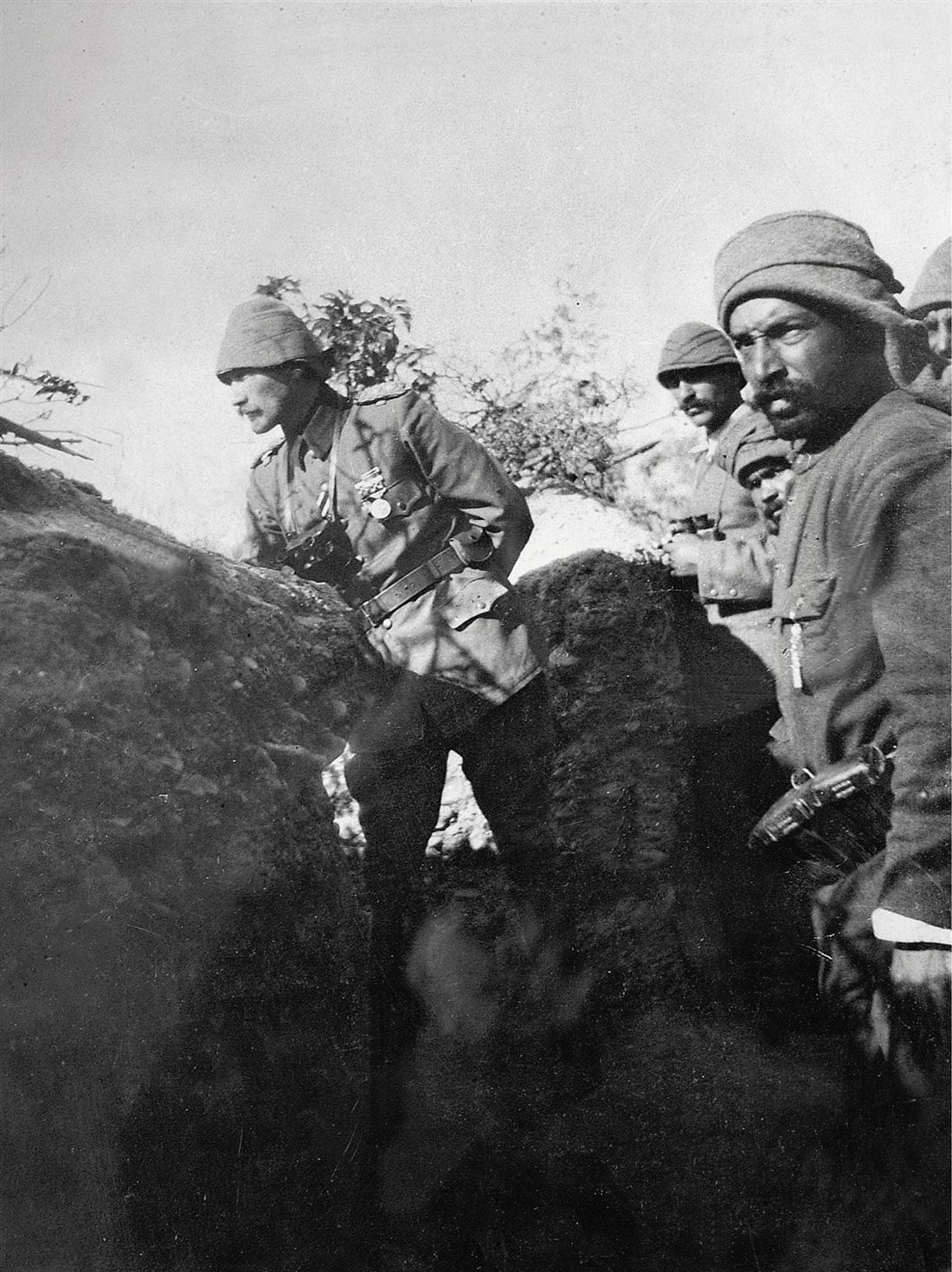
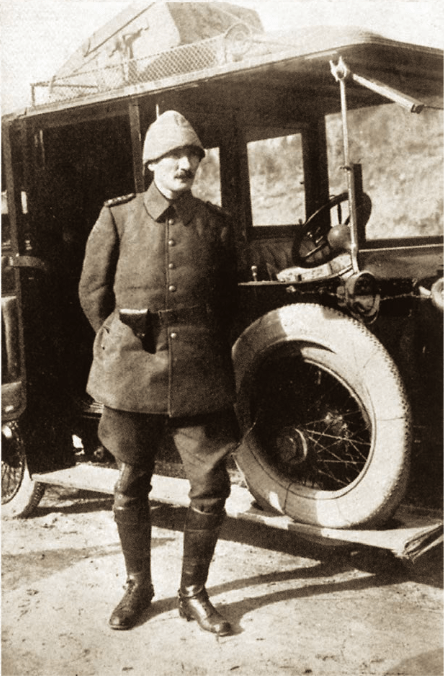
In these months Mustafa Kemal lived among the trenches. He often went along the front line and shared the same danger as the soldiers. In the photograph alongside, we see him in a trench, looking through his binoculars at the ridges opposite.
At Kanlısırt, a few metres from the enemy trenches, this young lieutenant kept a diary every day in the autumn of 1915. Its pages hold rain and mud, endless watches, friends lost one by one, and his longing for his family. The diary was published years later and is regarded as one of the most honest testimonies of ordinary life in the trenches.
Colonel
His success at Arıburnu did not go unrewarded: on 1 June 1915 he was promoted to colonel.
But for him these were not only months of praise. He often found himself at odds with his superiors, especially the German officers. He spoke his mind openly on where and how attacks should be made, and when necessary he did not shrink from resigning.
He knew every fold of the ground. He believed that the enemy was preparing a new landing and that this time it would turn north, towards the Anafartalar plain and Suvla Bay; and he reported this to his superiors.
Visitors to the front
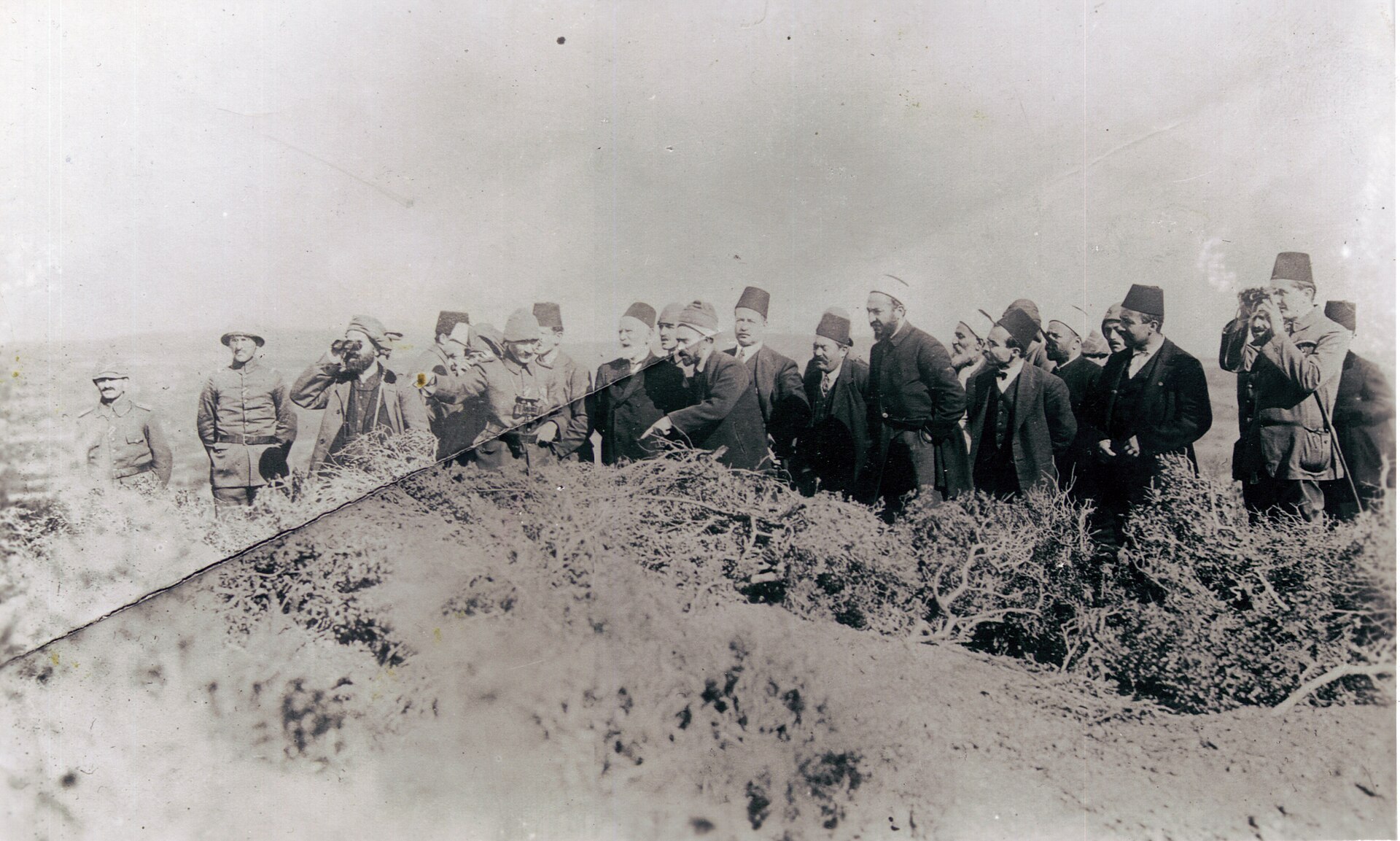
That summer, a delegation of writers, poets and painters from Istanbul visited the front.
Mustafa Kemal took them up to the hills, showed them the enemy positions through binoculars, and told them how the fighting had gone. The war, known in the capital only from newspaper reports, became before these people’s eyes a real place, real people.
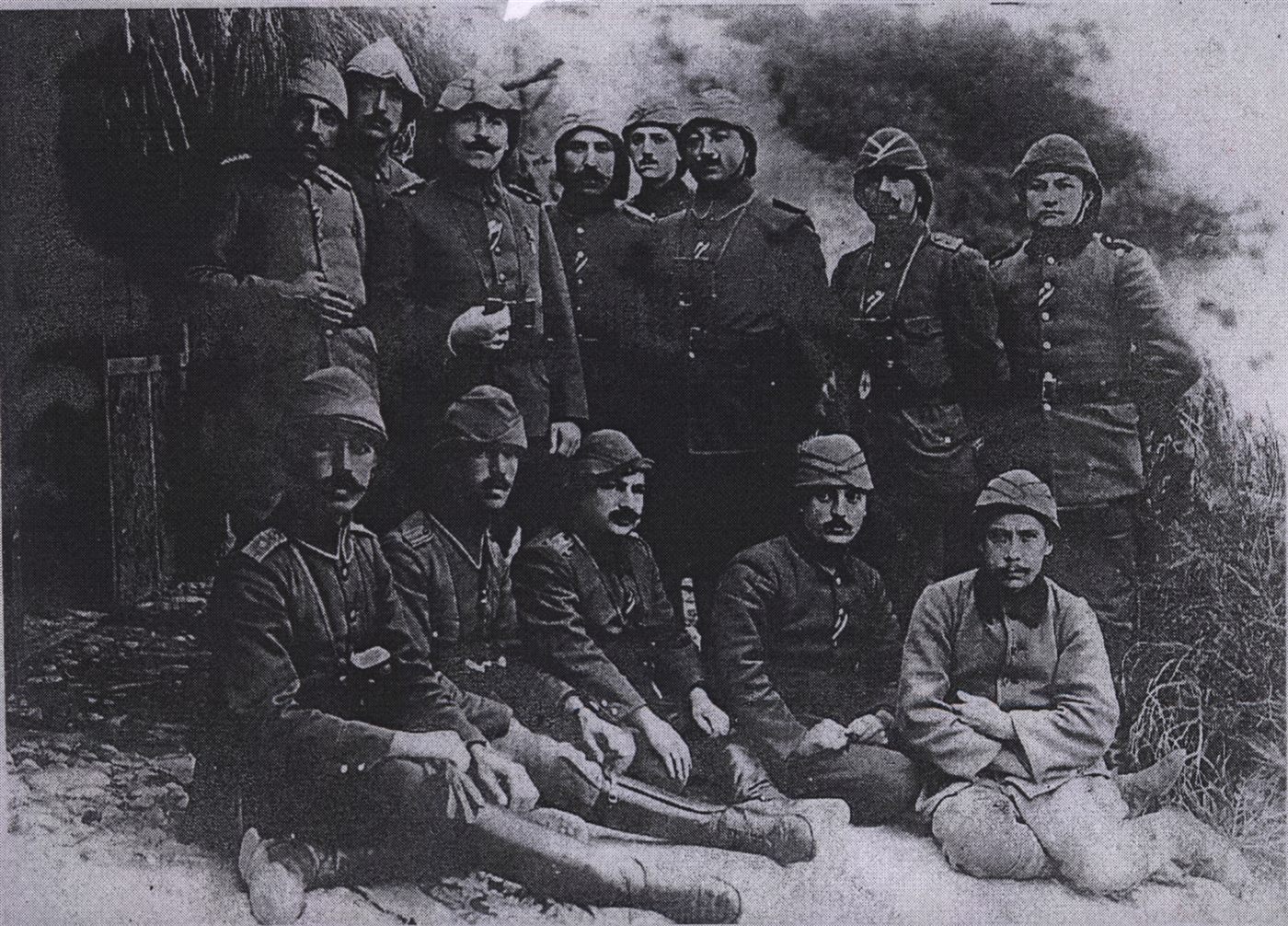
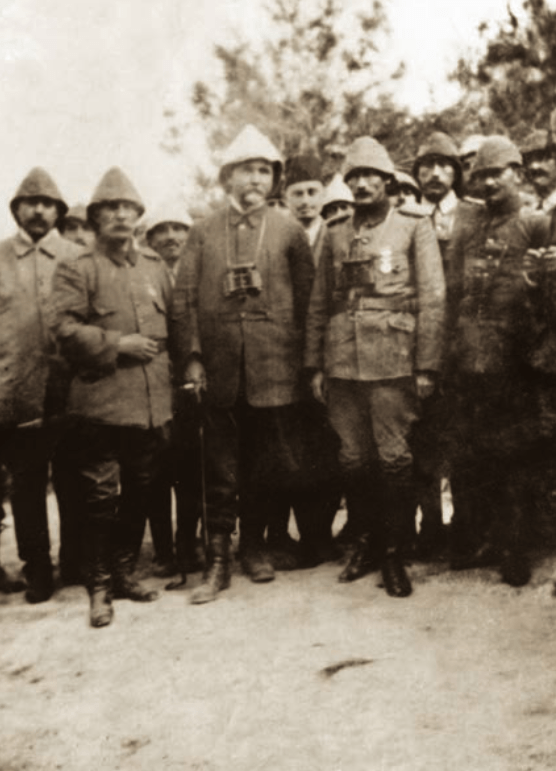
In a photograph dated 16 July 1915, we see him with his fellow commanders in a dusty clearing. A tired face, but an unbowed one.
The commander of Anafartalar
On the night of 6 August, what had been expected came to pass: in the north, the British landed a new army at Suvla Bay. At the same time, a great attack began from Arıburnu towards Conkbayırı and Kocaçimen.
Within a few days the enemy had come close to the summit of Conkbayırı. The Turkish line was under pressure everywhere. The situation was so grave that on 8 August Liman von Sanders gave Colonel Mustafa Kemal command of all forces in the Anafartalar sector.
As his first act, Mustafa Kemal immediately sent the units reaching Anafartalar into the attack. On 9 August the enemy, trying to advance from Suvla, was stopped. Now it was Conkbayırı’s turn.
The watch in his pocket
On the morning of 10 August, before dawn broke, Mustafa Kemal placed himself in front of the soldiers who were to charge.
By his own account, he told the soldiers there was no doubt they would defeat the enemy, but that they should not rush. He would go forward first; when he gave the signal with the riding whip in his hand, they would all spring forward at once.
At half past four the signal was given. Turkish soldiers advanced on the British and New Zealand units on the summit of Conkbayırı. At the end of hand-to-hand fighting, the summit was retaken. The enemy never again reached the top of Conkbayırı.
While the fighting went on, a piece of shrapnel struck Mustafa Kemal in the chest. The fragment hit the watch in his pocket and smashed it to pieces.
It left a slight mark on his chest, but no wound. When an officer cried “You’ve been hit!”, he covered the man’s mouth with his hand; he did not want such news to break the soldiers’ spirit.
As the story is told, Mustafa Kemal gave the shattered watch to Liman von Sanders as a keepsake; in return, Liman von Sanders presented him with his own gold watch. As to where the watch that saved his life at Gallipoli is today, sources say different things.
The ridge to the north
A few days after Conkbayırı, the enemy threw its weight against the Kireçtepe ridge north of Suvla Bay.
The aim was to follow the ridge and get round behind the Turkish line. Here, small Turkish forces, among them gendarmerie units, held the ridge. After days of fighting on a narrow, stony crag, the enemy was stopped.
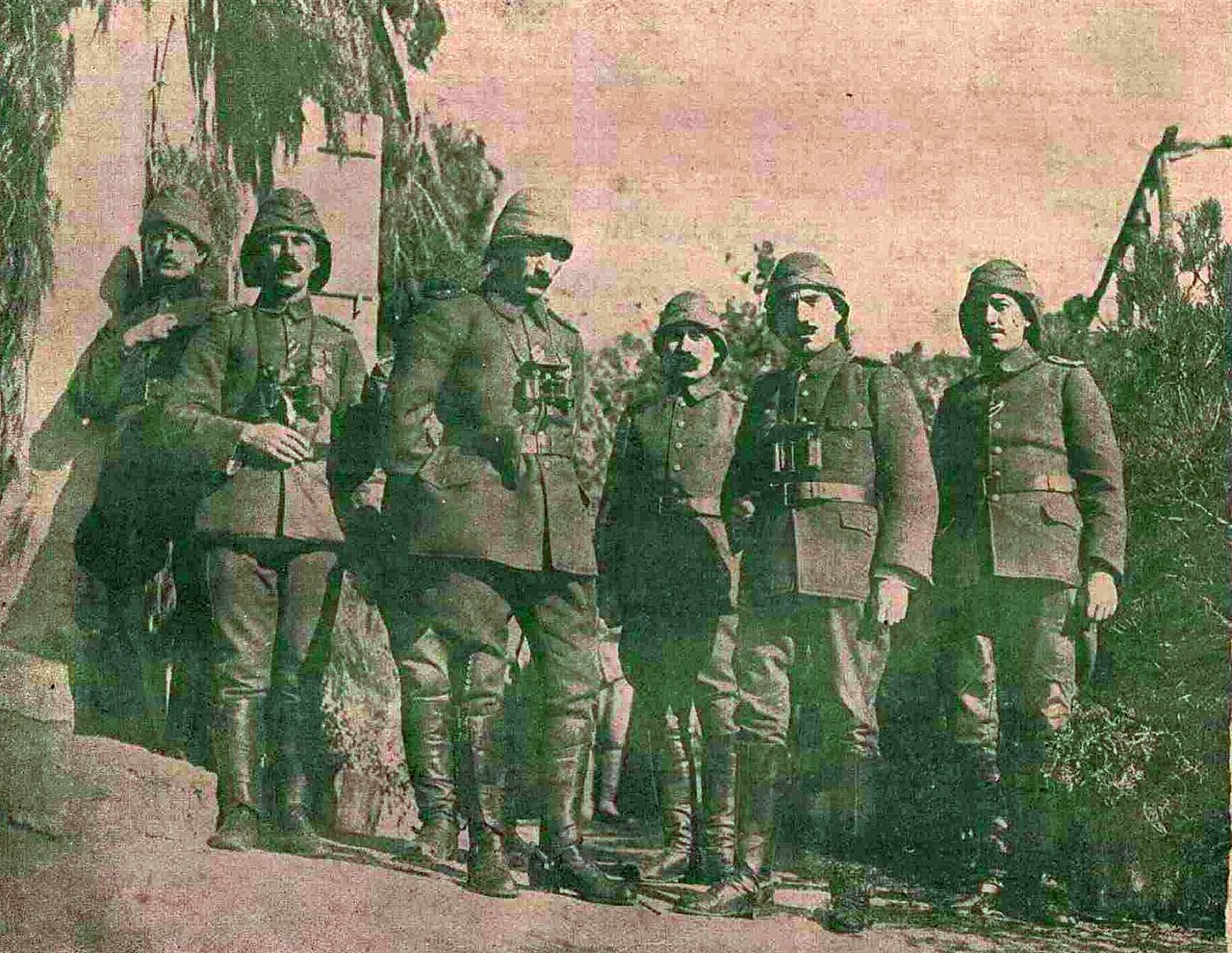
Mustafa Kemal was directing the entire Anafartalar front at once. He pulled units from one place and rushed them to another, and was out on the hills as much as he was over the map.
The last great attack
On 21 August, the British attempted one last great attack on the Anafartalar plain.
The fighting set the scrub on the plain on fire; some of the wounded were trapped among the flames. For both sides, it was one of the most painful days of the war.
The attack was stopped. By the end of August, the Allies’ hope of taking the peninsula had in effect run out. From then on, for months, the two armies waited in trenches very close to each other.
The commander of Anafartalar was now a name in the Istanbul newspapers and on people’s lips. The people had begun to call him “the Hero of Anafartalar”.
Autumn and snow
When autumn came, the war in the trenches turned into a war of patience and endurance.
The rains drowned the trenches in mud. At the end of November a violent storm struck the peninsula, followed by snow. In the flooded trenches, soldiers on both sides froze to death; many suffered frozen hands and feet.
In these months Mustafa Kemal was struggling with severe exhaustion and illness. On 10 December 1915 he left the front on leave and returned to Istanbul. He handed over command of the Anafartalar Group to Fevzi Bey (Çakmak).
A silent departure
In the end, the Allies decided to withdraw from the peninsula.
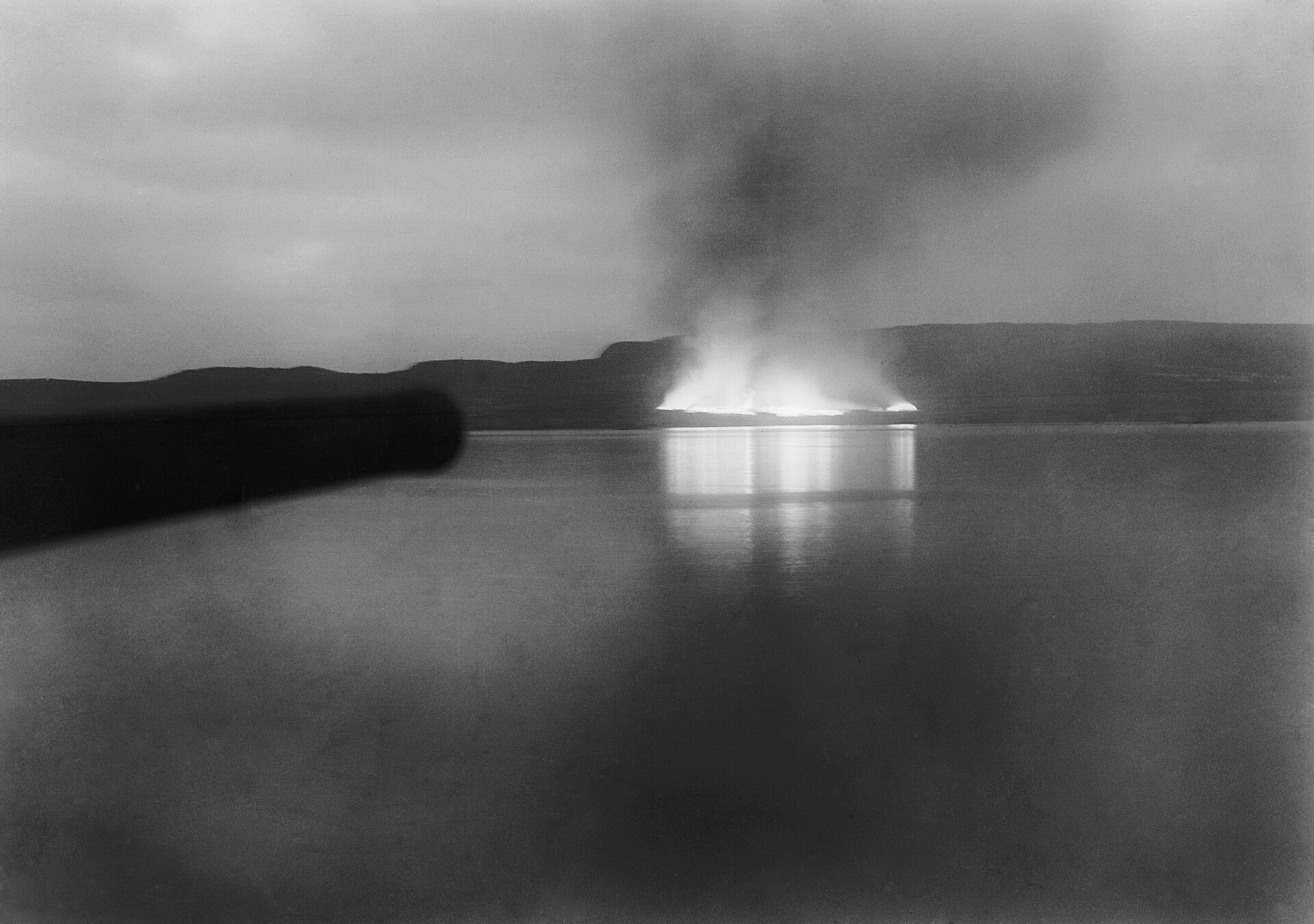
The withdrawal was carried out in great secrecy. To make it look as if firing was still going on from the trenches, self-firing rifles were rigged. On the night of 19–20 December, Arıburnu and Suvla were evacuated. The depots left behind were burned.
On the night of 8–9 January 1916, the last British soldiers left Seddülbahir as well. The land battles of Gallipoli, which had lasted eight and a half months, were over.
The Strait had not been passed; Istanbul had not fallen.
Those who fell to the earth
The cost of Gallipoli was terrible for both sides.
Counting the dead, the wounded, the sick and the missing, the losses of each side exceed two hundred thousand. On the Turkish side, the number of those who lost their lives is generally given as more than fifty thousand. On the Allied side, tens of thousands of soldiers from Britain, France, Australia, New Zealand, India, North Africa and Newfoundland remained in this soil. The exact figures vary from source to source; what does not vary is that behind every figure there is a human being, a family.
Today the Gallipoli Peninsula, with the memorials and cemeteries of both sides, is a place of remembrance. Beside the Turkish memorials to the fallen, a few hundred metres away, lie the graves of the Allied soldiers. Every year, on 18 March and on 25 April, the grandchildren of nations that once fired on each other gather in silence on the same hills.
A large part of the soldiers fighting in the Allied ranks had been brought from the colonies and dominions of the great empires of the day, thousands of kilometres from their homes. For the mothers on both sides, the pain was the same. Years later, in the cove at Arıburnu, words addressed “to the mothers in distant lands” would be carved in stone.
The place that was not passed
Çanakkale became the place where a nation that for a century had known defeats, losses and lost lands found its faith in itself again.
In the Balkans, Thessaloniki had been lost and the army had broken apart. At Çanakkale, however, soldiers from every corner of Anatolia, of Rumelia, of the Arab lands had stood against the most powerful fleets and armies, and had stopped them. This feeling would become one of the deep roots of the struggle that would begin in Anatolia a few years later.
For Mustafa Kemal, too, Çanakkale was a turning point. He had come here as a little-known lieutenant colonel; he left as a commander who had won the trust of his soldiers and of the people. His faith in himself, and people’s faith in him, were born here, on these hills.
But a longer and darker road lay ahead of him. The war was not over; nor was the collapse of the empire.