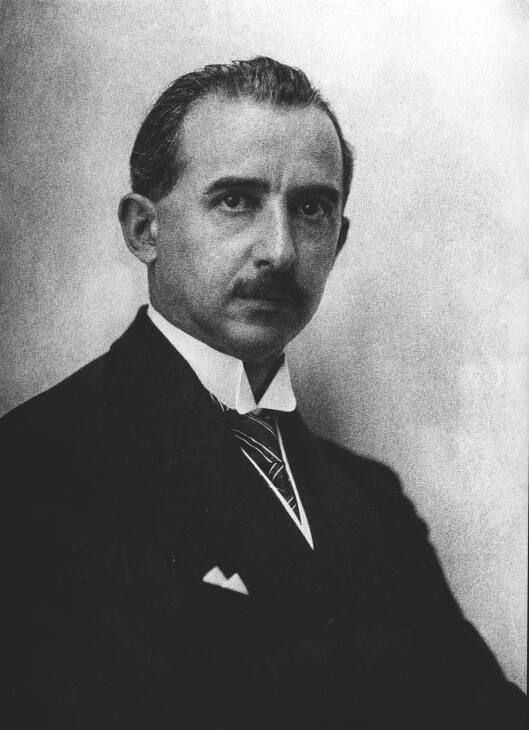
Appendices · Those close to him

The people in his life

No life is lived alone. The people who bore him, raised him, fought beside him, argued with him, parted from him, and those he raised. The faces around fifty-seven years.

Meet them

Some of the people on this page stayed at his side all his life. With others, his path parted after they had lived through the hardest years together. We have tried to tell of these partings, and of the love too, as they were, without judging anyone.

From the house in Thessaloniki to Çankaya

His family

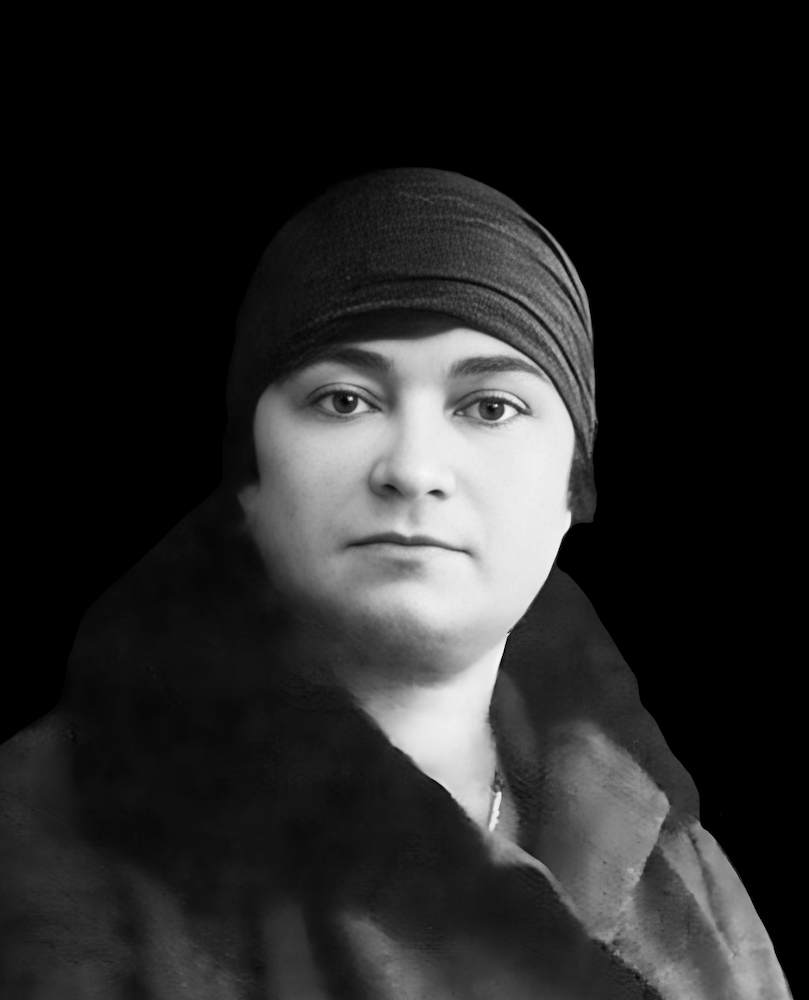
Zübeyde Hanım
His mother

Zübeyde Hanım

1857 – 1923

She was the daughter of a family from the area of Langaza, near Thessaloniki. She bore six children and lost four of them at a young age. She did not want her only son to become a soldier, but she stood behind the path he chose. She spent most of the years of occupation in Istanbul, far from her son; in the summer of 1922 she came to Ankara, and at the end of the same year to İzmir for her health, and she died in Karşıyaka on 14 January 1923. Her son was in Western Anatolia in those days and could not reach her funeral in time; shortly afterwards he visited her grave.

His father

Ali Rıza Efendi

1839 – 1888 (in some sources 1893)

He was from Thessaloniki. He worked as a clerk at the pious foundations and as a customs official, then went into the timber trade. His decision to take his son out of the old-style neighbourhood school and enrol him in the school of Şemsi Efendi, which taught by the new method, is counted among the first great decisions in Mustafa’s life. He died while his son was still a small child. There is no photograph known with certainty to be of him.

Makbule Atadan
His sister

Makbule Atadan

1885 – 1956

She was the only sibling who reached adulthood. From the days when she chased crows in the fields with her brother at Rapla Farm to the last years at Çankaya, she was a witness to his life. After the Surname Law she took the surname “Atadan”. In his will her brother left her a lifelong monthly allowance and the house she lived in at Çankaya. She died in Ankara in 1956.

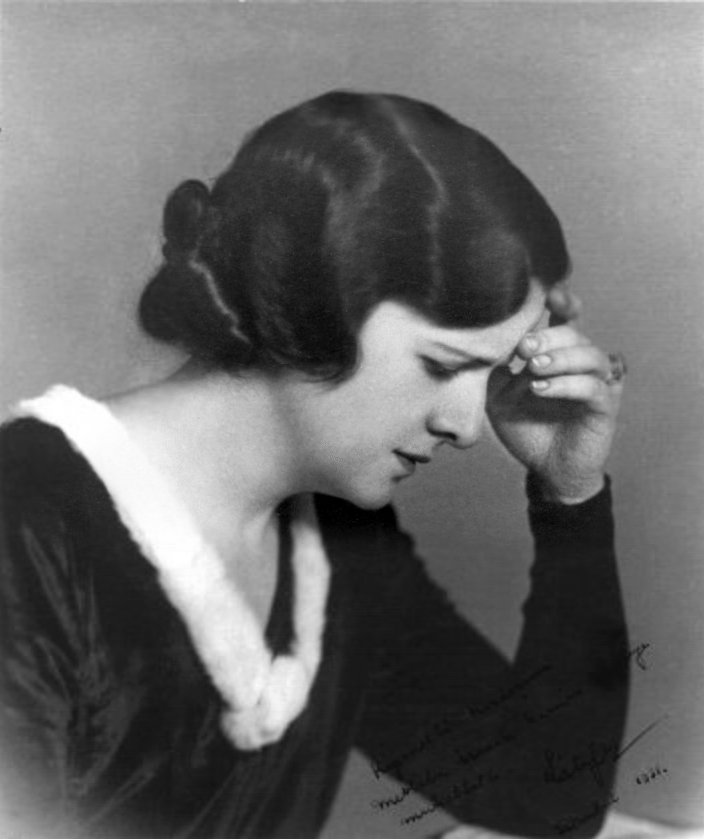
Latife Hanım
His wife

Latife Uşşaki

1898 – 1975

She was the daughter of the İzmir merchant Muammer Uşşakizade; she had studied law in Paris. After the liberation of İzmir, Mustafa Kemal Pasha stayed at the family’s house in Göztepe; on 29 January 1923 they were married in the same house. On journeys through the country Latife Hanım was seen at her husband’s side as the modern female face of the new Turkey. The marriage ended on 5 August 1925. For the fifty years until her death she lived quietly in Istanbul and never spoke openly about this marriage.

The children who grew up at his side

His adopted children

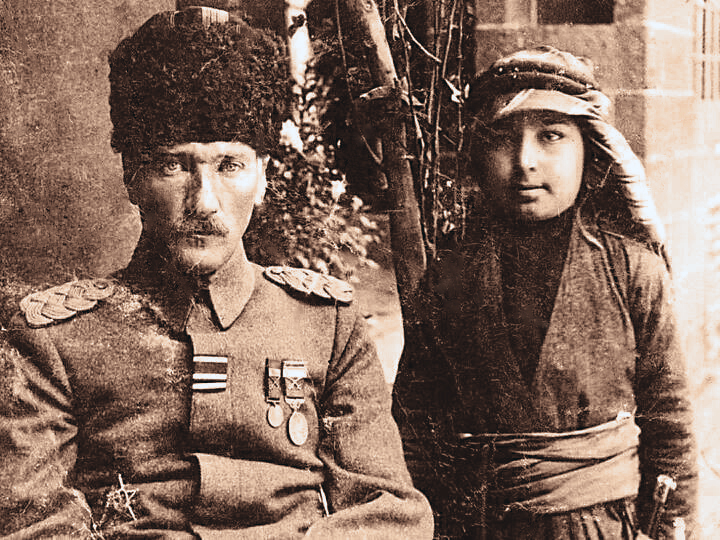
Mustafa Kemal Pasha and little Abdurrahim
His adopted son

Abdurrahim Tuncak

1908 – 1998

In the years of the Eastern Front of the First World War, as an orphaned child with no one, he came under the protection of Mustafa Kemal Pasha. The photograph was taken of them together in the war years. He grew up with Zübeyde Hanım in the houses at Akaretler and Şişli in Istanbul. He studied, became an engineer and lived a long life.

Afet İnan
His adopted daughter · historian

Afet İnan

1908 – 1985

She was born in Thessaloniki. They met in 1925 in İzmir, when she was a young teacher. With his encouragement she studied in Switzerland and took her doctorate in Geneva. She was among the founders of the Turkish Historical Society; the civics notes Atatürk wrote with his own hand were composed for her lessons. She worked as a professor at Ankara University.

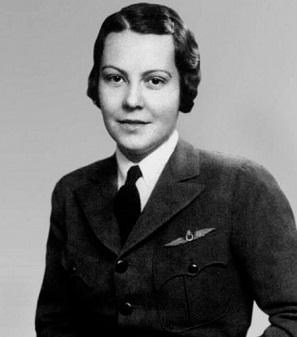
Sabiha Gökçen
His adopted daughter · pilot

Sabiha Gökçen

1913 – 2001

She was a child left orphaned in Bursa. In 1925, during Mustafa Kemal’s visit to Bursa, she said that she wanted to study, and she was taken in by him. He himself gave her her surname in 1934; a year later she began flying at Türkkuşu. She became Turkey’s first woman military pilot and served aviation to the end of her life.

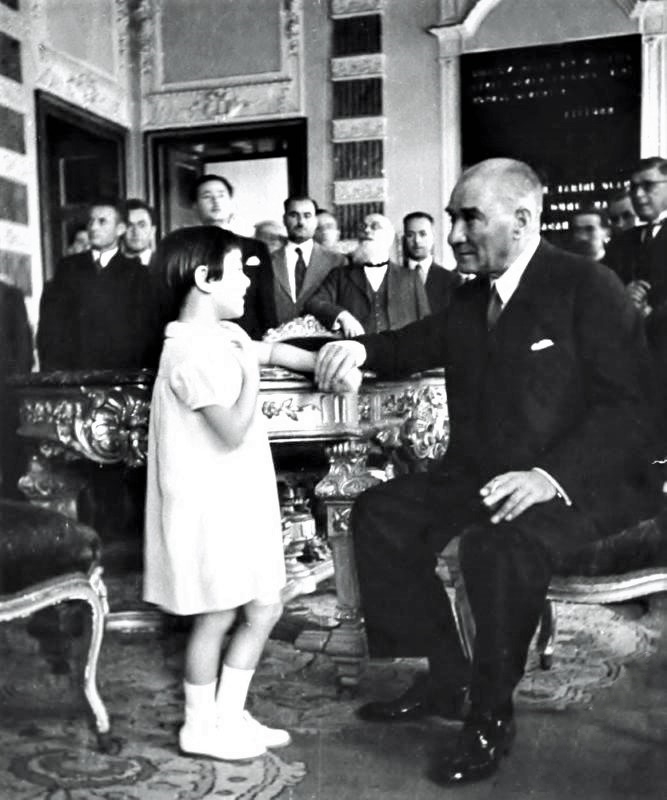
Atatürk and little Ülkü, Dolmabahçe, 1937
His youngest adopted daughter

Ülkü Adatepe

1932 – 2012

She was born in Ankara. From infancy she grew up at his side in the Çankaya Mansion. In his last years this little girl accompanied him on his journeys through the country, and in photographs she became the symbol of his love for children. When Atatürk died she was five years old. In 2012 she lost her life in a traffic accident.

At the front and in the Assembly

Comrades in arms and on the road

İsmet İnönü
Commander of the Western Front · second president

İsmet İnönü

1884 – 1973

In the National Struggle he led the Western Front and won the two Battles of İnönü; he also took his surname from there. At Lausanne he headed the Turkish delegation. For most of the Republic’s first fifteen years he was prime minister. In 1937, after disagreements on some matters, he left the premiership. On 11 November 1938 he was elected president.
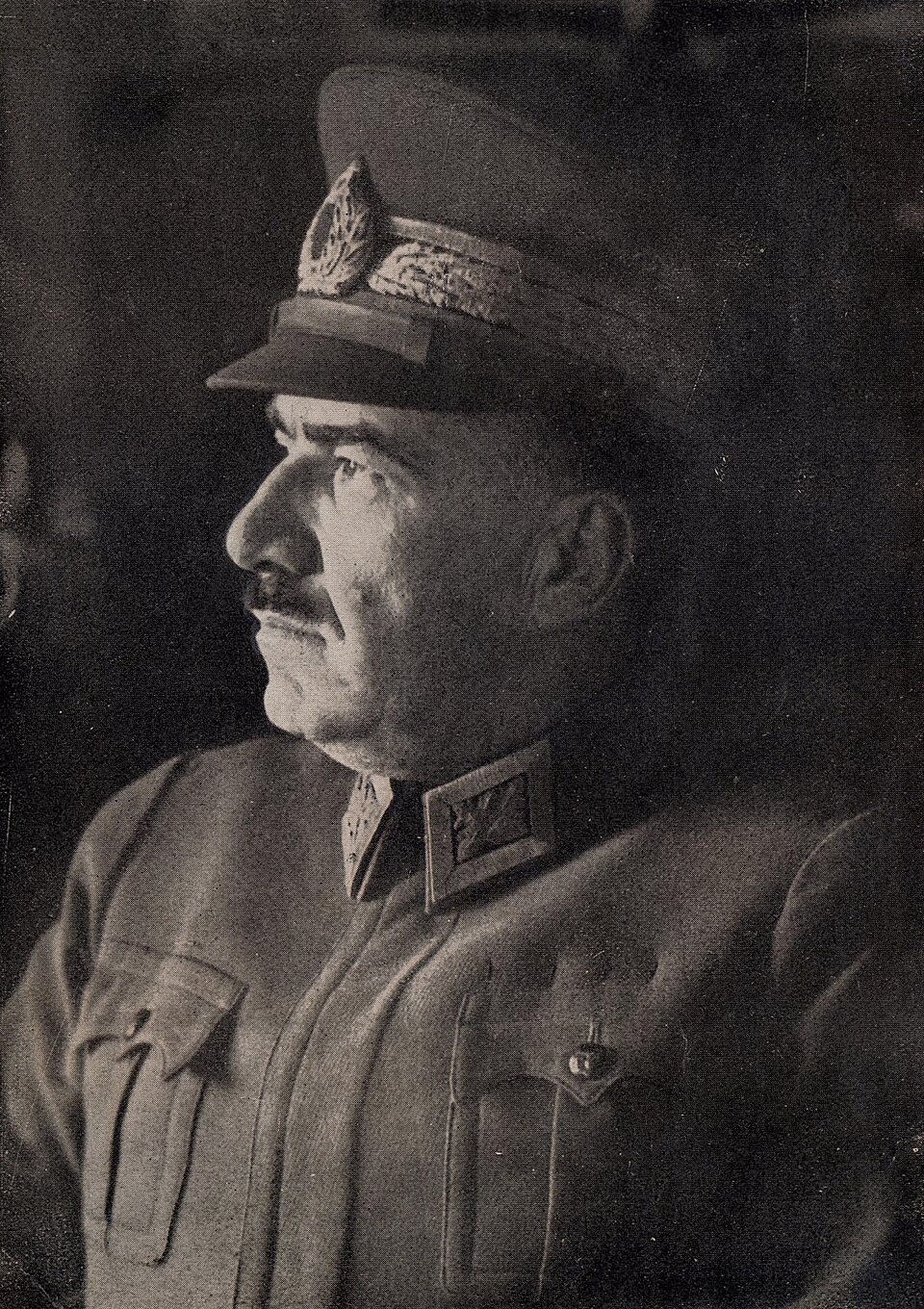
Marshal Fevzi Çakmak
Chief of the General Staff · marshal

Fevzi Çakmak

1876 – 1950

While Minister of War in the Istanbul government, he went over to Ankara in 1920. He became Minister of National Defence and President of the Council of Ministers; from 1921 to 1944 he served as Chief of the General Staff. After the Great Offensive he received the rank of marshal. After his retirement he entered politics in the ranks of the opposition.
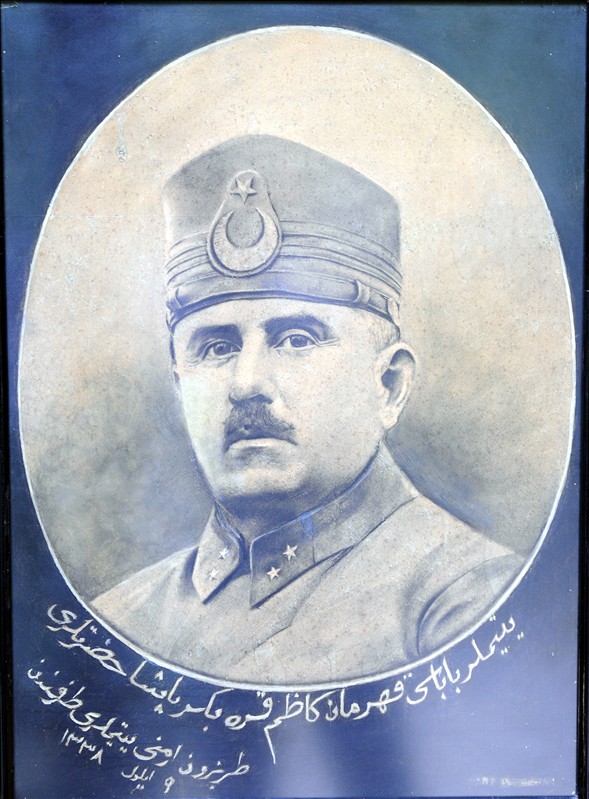
Kâzım Karabekir Pasha, portrait in uniform; beneath it the dedication of the orphaned children, 1922
Commander of the Eastern Front

Kâzım Karabekir

1882 – 1948

In 1919 he was commander of the XV Army Corps in Erzurum; despite Istanbul’s orders he stayed at Mustafa Kemal’s side and brought the Eastern Front to victory. In the first years of the Republic they fell out over the methods of government; he became head of the Progressive Republican Party, founded in 1924. In the 1926 İzmir assassination plot trial he was tried and acquitted, but for many years he remained outside public life. From 1946 to 1948 he served as Speaker of the Assembly.
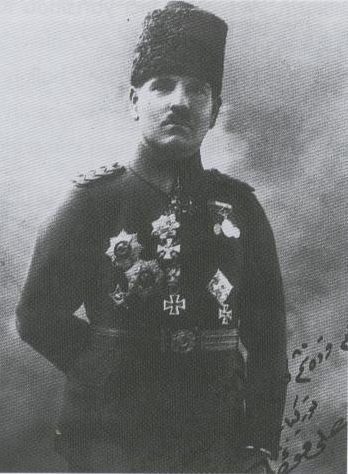
Ali Fuat Pasha
Classmate · first commander of the Western Front

Ali Fuat Cebesoy

1882 – 1968

He was his classmate from the War College. In 1919, with his army corps in Ankara, he was among the first to join the National Struggle; he was the first commander of the Western Front, then became ambassador in Moscow. In 1924 he went over to the opposition; in the 1926 trial he was acquitted. In 1933 he returned to the Assembly, and from 1948 to 1950 he served as its Speaker.
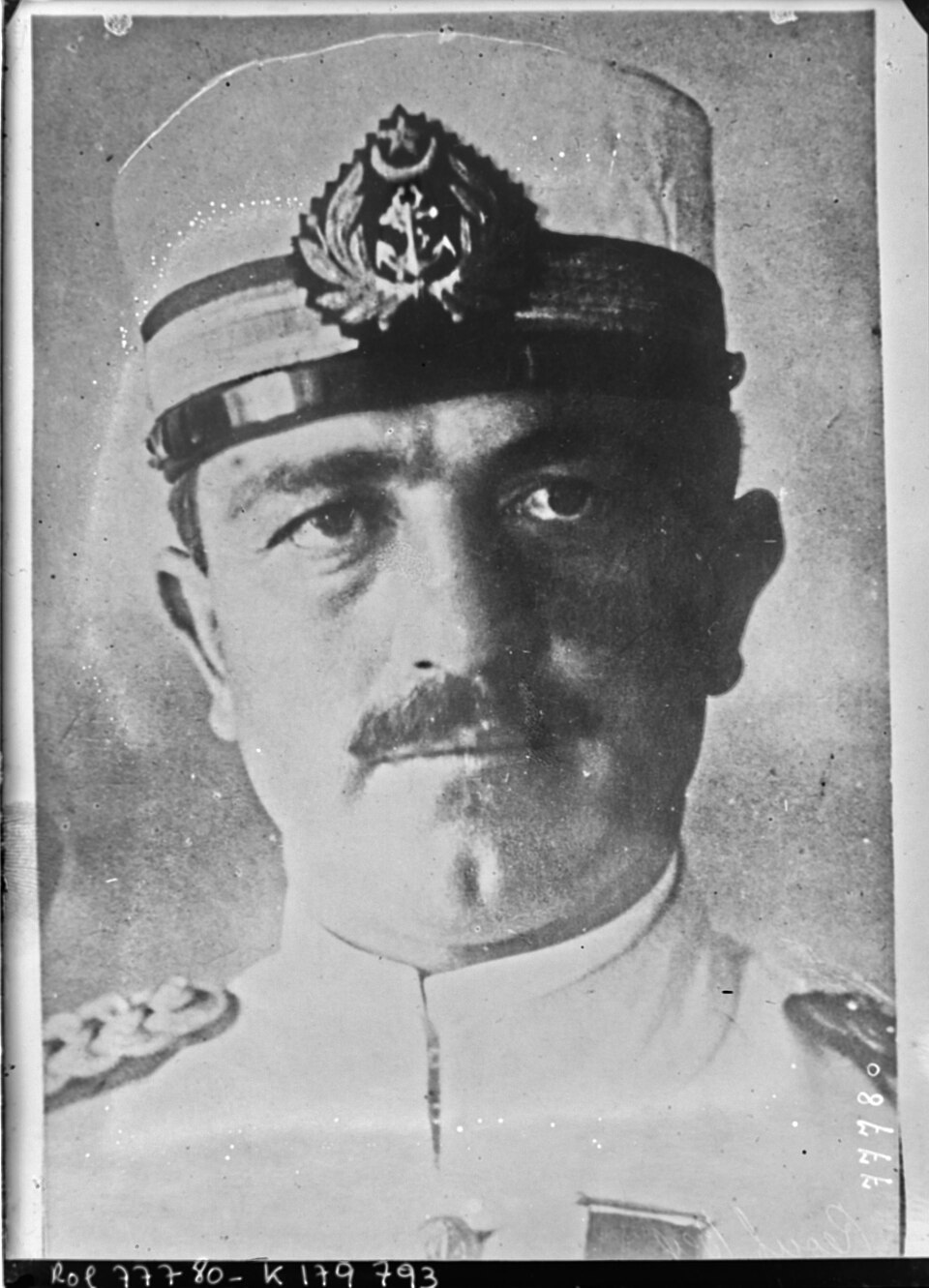
Rauf Orbay
Naval officer · one of the first prime ministers

Rauf Orbay

1881 – 1964

He won fame in the Balkan War as commander of the cruiser Hamidiye. In 1919 he crossed into Anatolia and was among the signatories of the Amasya Circular; arrested in Istanbul, he was exiled to Malta. On his return he became President of the Council of Ministers. In the first years of the Republic he went over to the opposition; in the 1926 trial he was sentenced in absentia while abroad, and in 1935 he returned home. He later became ambassador in London.
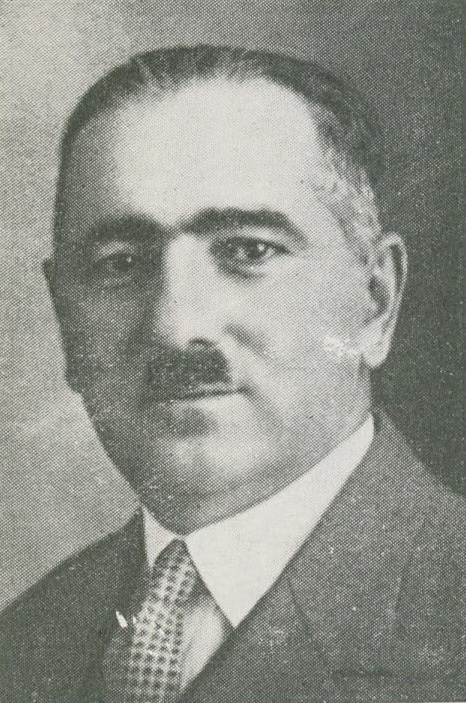
Salih Bozok
Childhood friend · chief aide-de-camp

Salih Bozok

1881 – 1941

He was born in Thessaloniki in the same year and grew up in the same neighbourhood; they were also distantly related. He served on many fronts, from Tripolitania to the National Struggle; he became the first chief aide-de-camp to the President of the Republic, then was elected a member of parliament. Upon Atatürk’s death he shot himself at Dolmabahçe, but was saved. He died in Istanbul in 1941.
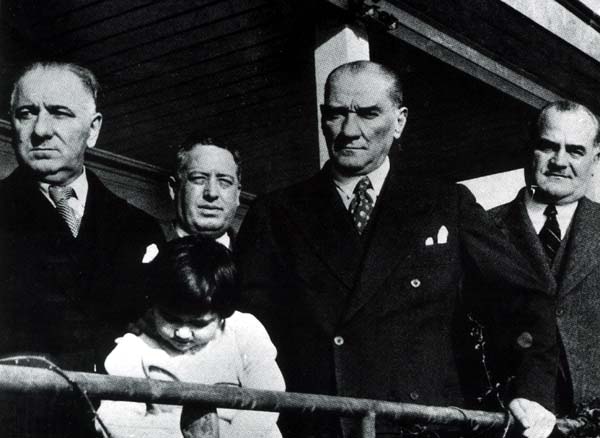
Salih Bozok, Ülkü, Cevat Abbas Gürer, Atatürk and Kılıç Ali, Florya 1937
His close circle

Friends at the table

Nuri Conker · Cevat Abbas Gürer · Kılıç Ali

Nuri Conker, his childhood friend from Thessaloniki, Cevat Abbas Gürer, his aide-de-camp since the First World War, and Kılıç Ali, who came from the defence of Antep, were for many years in his closest circle. All three became members of parliament. On Ankara evenings, in long conversations at the table, on journeys through the country, they were always at his side.
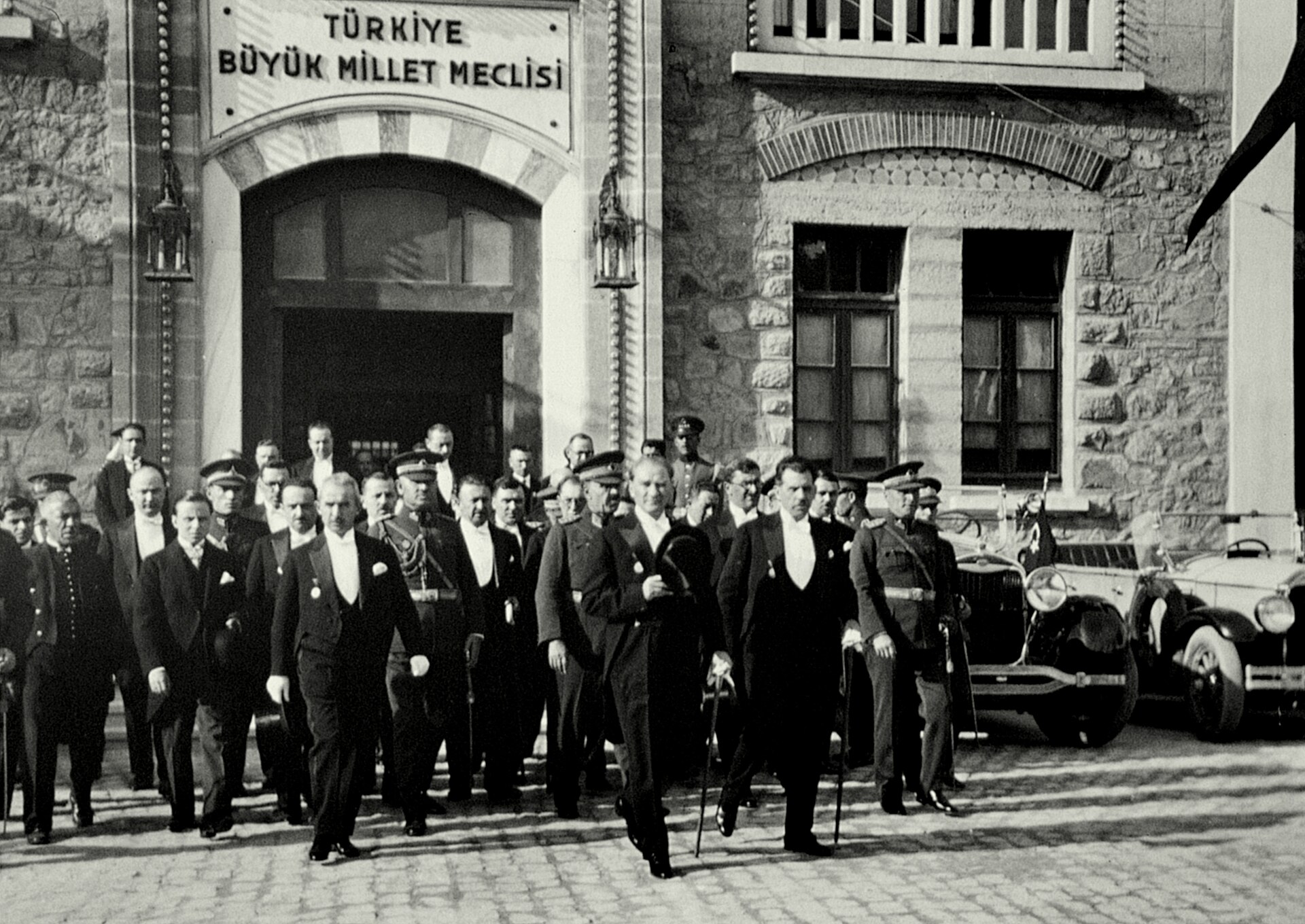
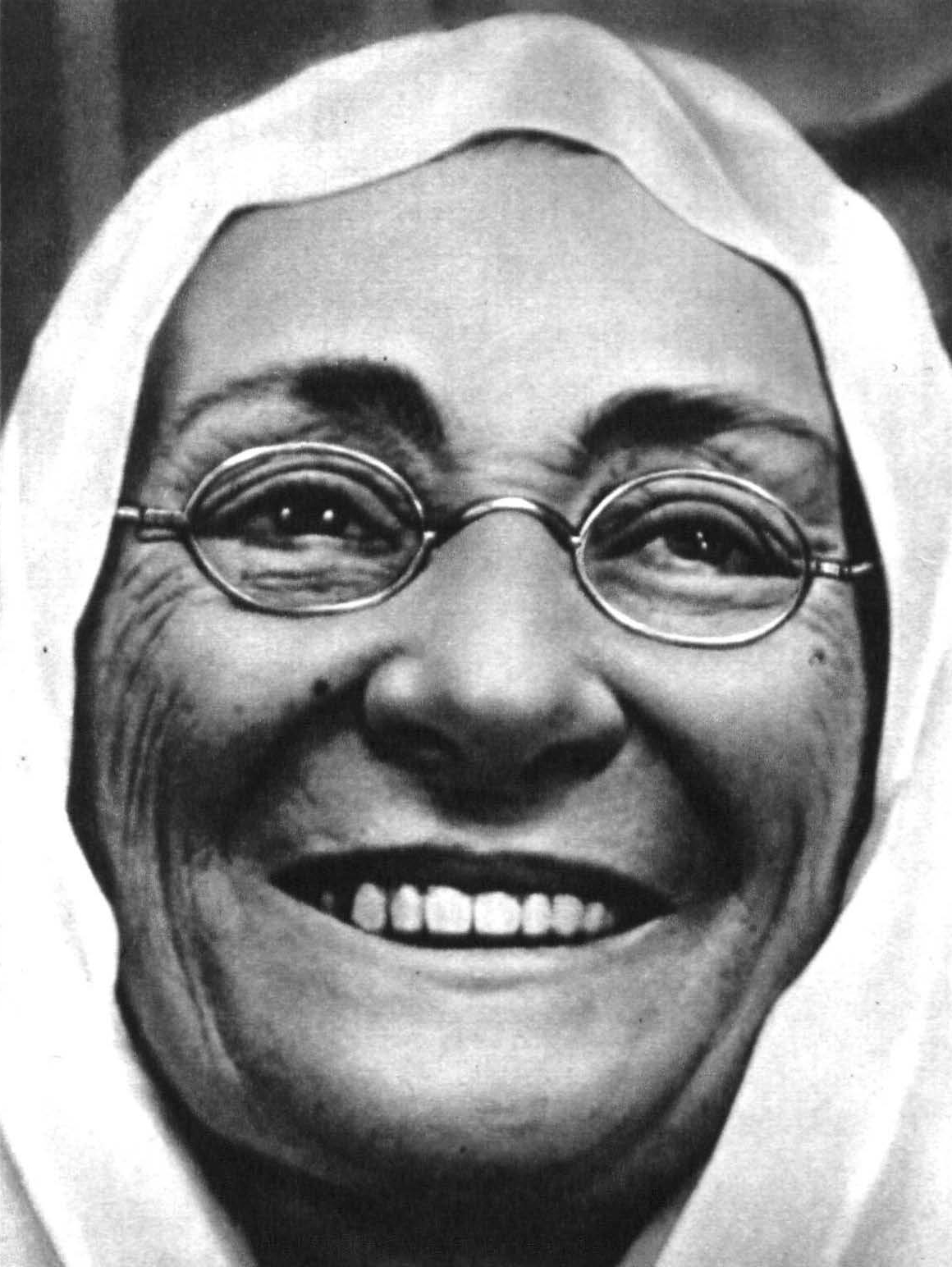
Those who joined the struggle with their pens

Writers

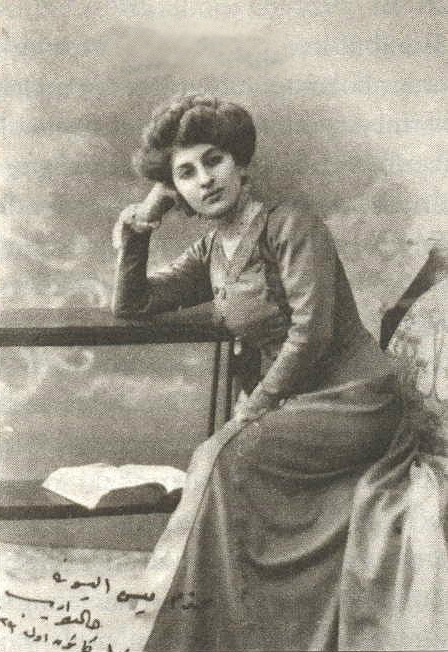
Halide Edib
Novelist · sergeant of the National Struggle

Halide Edib Adıvar

1884 – 1964

She became known in 1919 for the speeches she gave at the rallies against the occupation in Istanbul; in 1920 she went over to Ankara, worked on the founding of the Anadolu Agency, and served at the front first with the rank of corporal, then of sergeant. In the first years of the Republic she sided with the opposition together with her husband Adnan Bey, and in the mid-1920s went abroad. She returned in 1939, taught at Istanbul University and became a member of parliament.

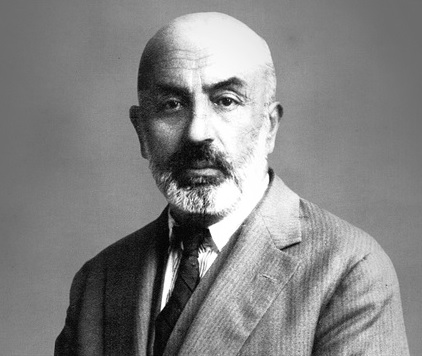
Mehmet Âkif Ersoy
Poet · author of the İstiklâl Marşı (Independence March)

Mehmet Âkif Ersoy

1873 – 1936

The poet of Safahat, he crossed into Anatolia in the first years of the National Struggle, called the people to resistance with the sermons he gave in mosques, and entered the First Assembly as deputy for Burdur. The poem he wrote was adopted by the Assembly on 12 March 1921 as the İstiklâl Marşı, the national anthem. In the first years of the Republic he went to Egypt; having fallen ill, he returned to Istanbul in 1936 and died the same year.