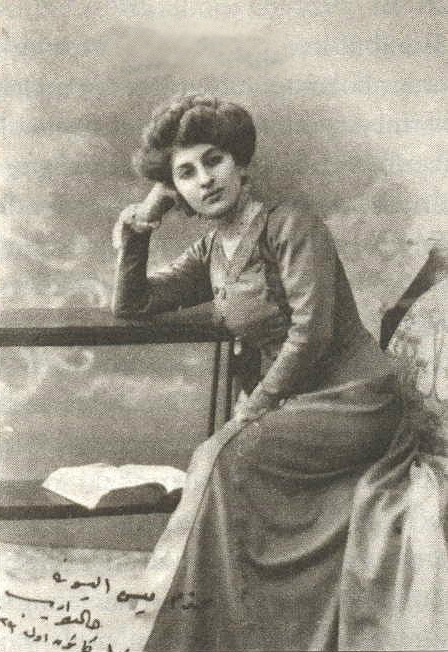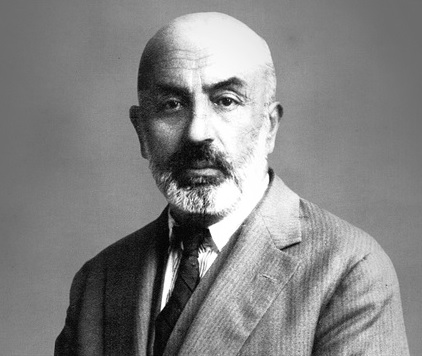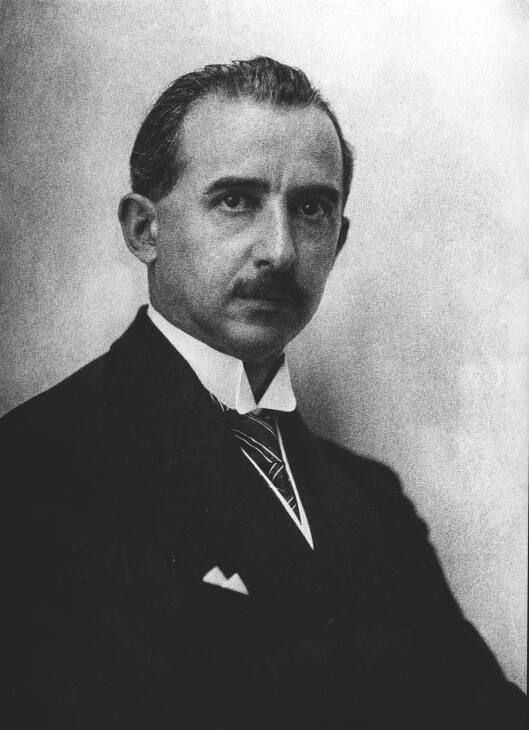
Commander of the Western Front · second president
İsmet İnönü
1884 – 1973
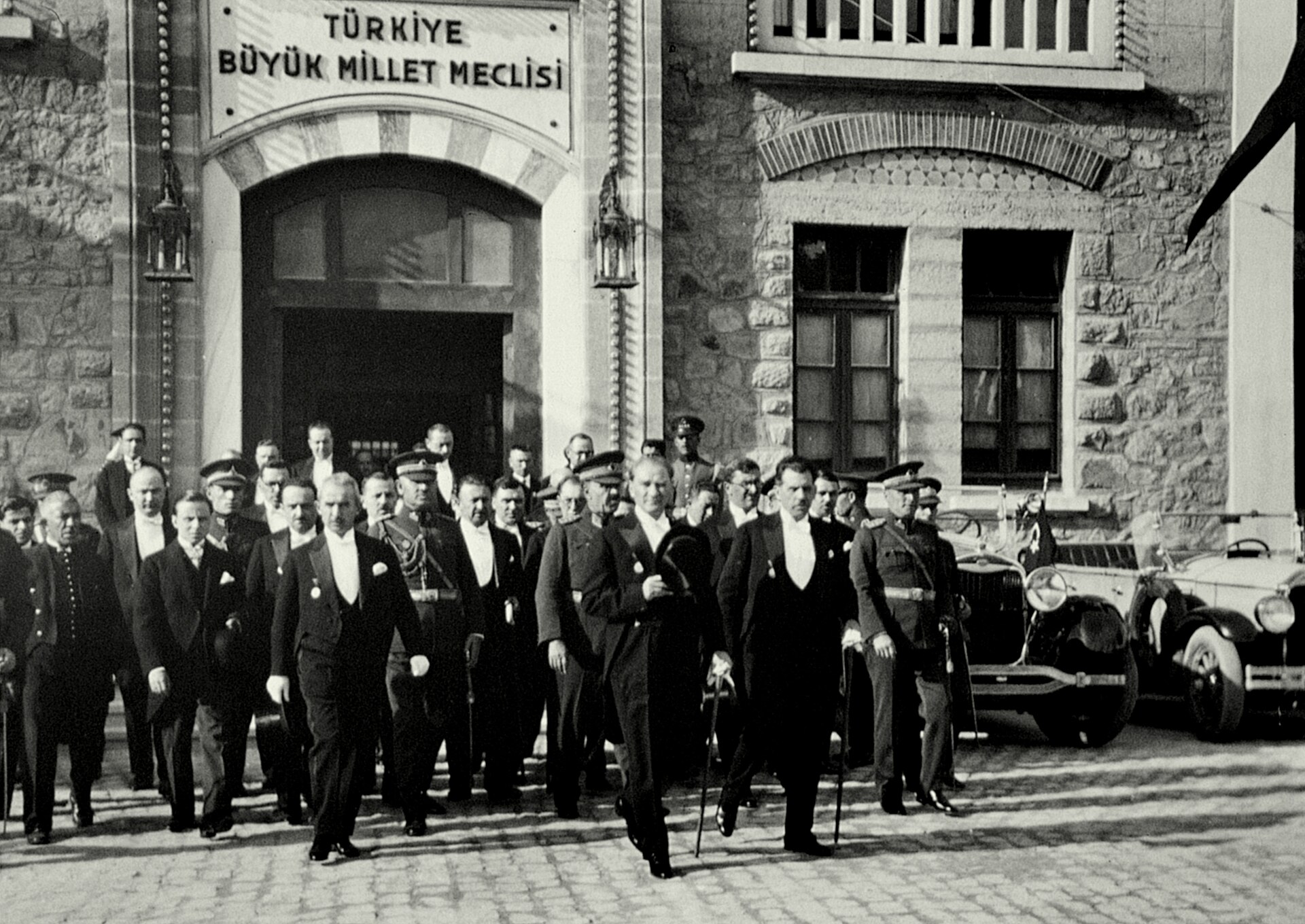
In the National Struggle he led the Western Front and won the two Battles of İnönü; he also took his surname from there. At Lausanne he headed the Turkish delegation. For most of the Republic’s first fifteen years he was prime minister. In 1937, after disagreements on some matters, he left the premiership. On 11 November 1938 he was elected president.
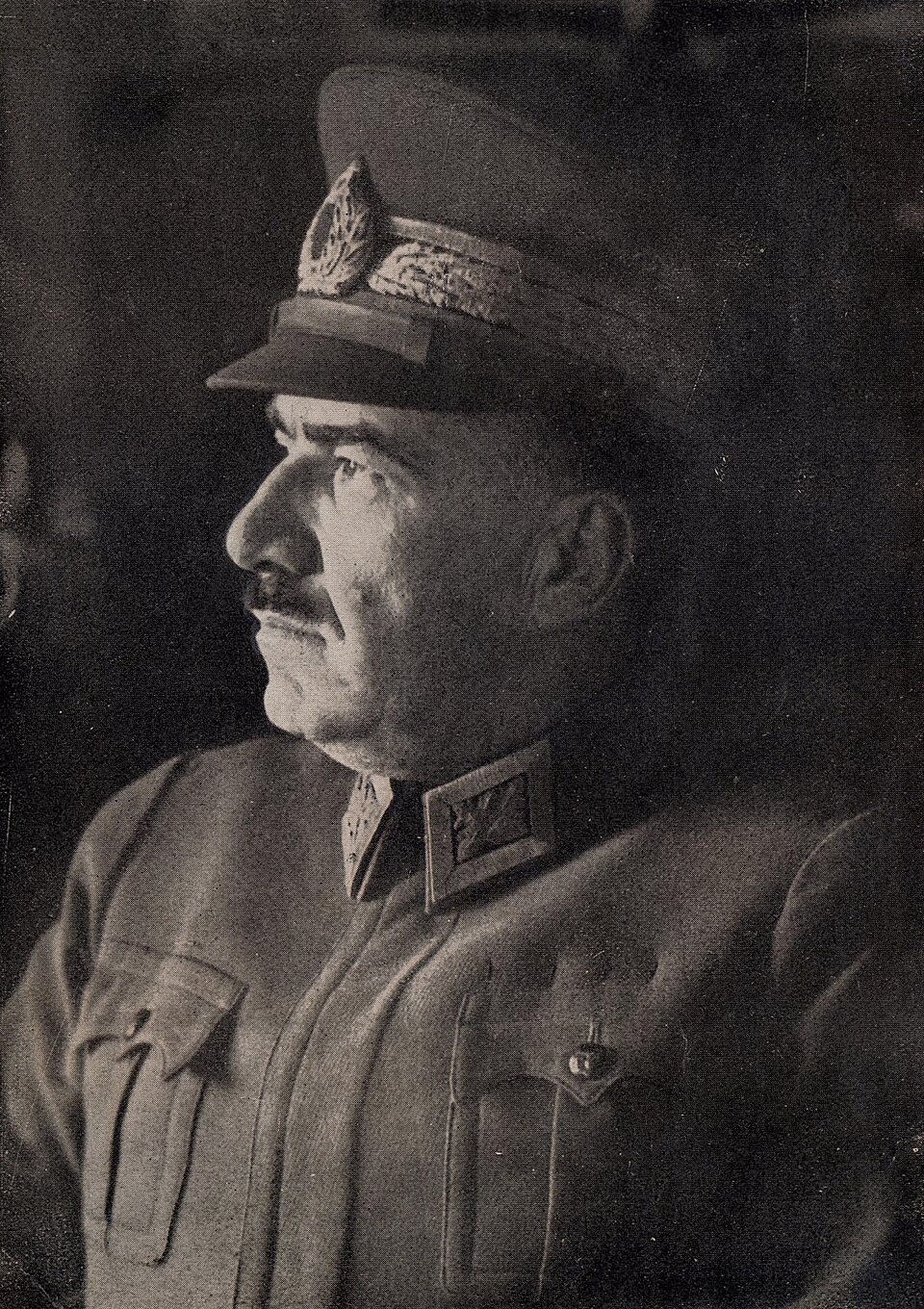
Chief of the General Staff · marshal
Fevzi Çakmak
1876 – 1950
While Minister of War in the Istanbul government, he went over to Ankara in 1920. He became Minister of National Defence and President of the Council of Ministers; from 1921 to 1944 he served as Chief of the General Staff. After the Great Offensive he received the rank of marshal. After his retirement he entered politics in the ranks of the opposition.
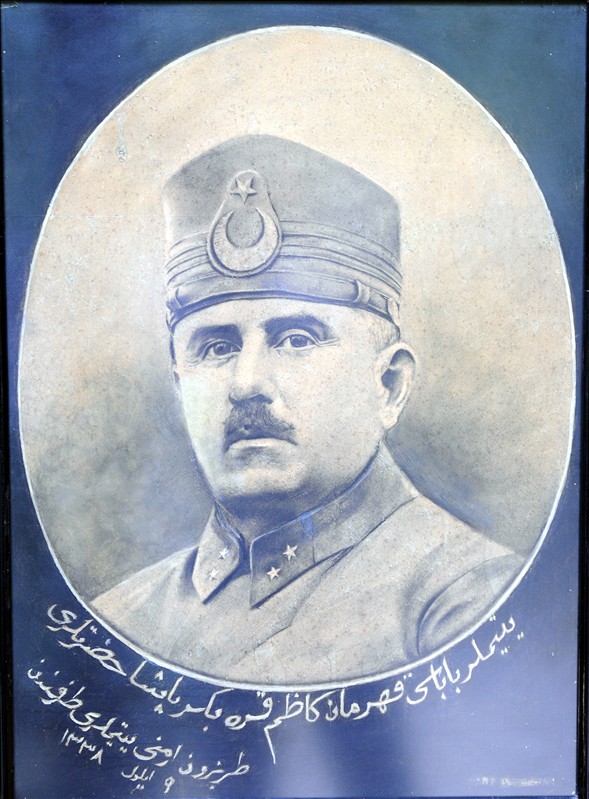
Commander of the Eastern Front
Kâzım Karabekir
1882 – 1948
In 1919 he was commander of the XV Army Corps in Erzurum; despite Istanbul’s orders he stayed at Mustafa Kemal’s side and brought the Eastern Front to victory. In the first years of the Republic they fell out over the methods of government; he became head of the Progressive Republican Party, founded in 1924. In the 1926 İzmir assassination plot trial he was tried and acquitted, but for many years he remained outside public life. From 1946 to 1948 he served as Speaker of the Assembly.
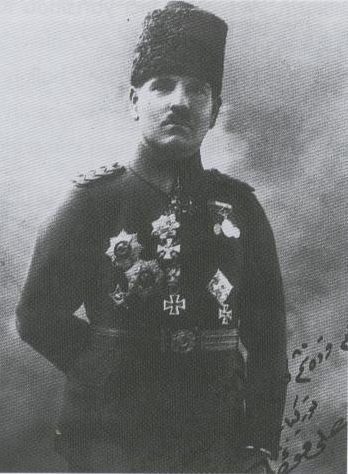
Classmate · first commander of the Western Front
Ali Fuat Cebesoy
1882 – 1968
He was his classmate from the War College. In 1919, with his army corps in Ankara, he was among the first to join the National Struggle; he was the first commander of the Western Front, then became ambassador in Moscow. In 1924 he went over to the opposition; in the 1926 trial he was acquitted. In 1933 he returned to the Assembly, and from 1948 to 1950 he served as its Speaker.
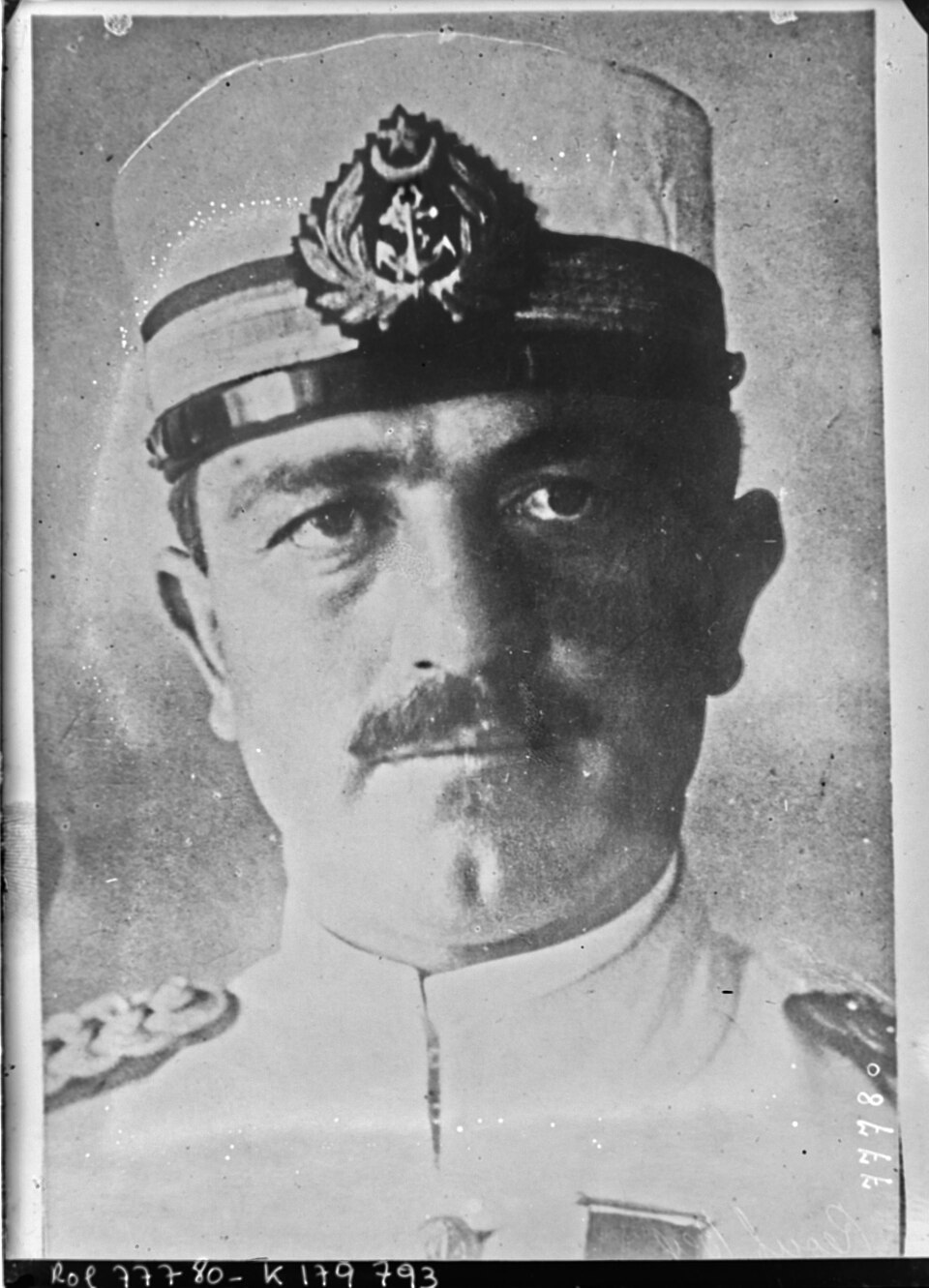
Naval officer · one of the first prime ministers
Rauf Orbay
1881 – 1964
He won fame in the Balkan War as commander of the cruiser Hamidiye. In 1919 he crossed into Anatolia and was among the signatories of the Amasya Circular; arrested in Istanbul, he was exiled to Malta. On his return he became President of the Council of Ministers. In the first years of the Republic he went over to the opposition; in the 1926 trial he was sentenced in absentia while abroad, and in 1935 he returned home. He later became ambassador in London.
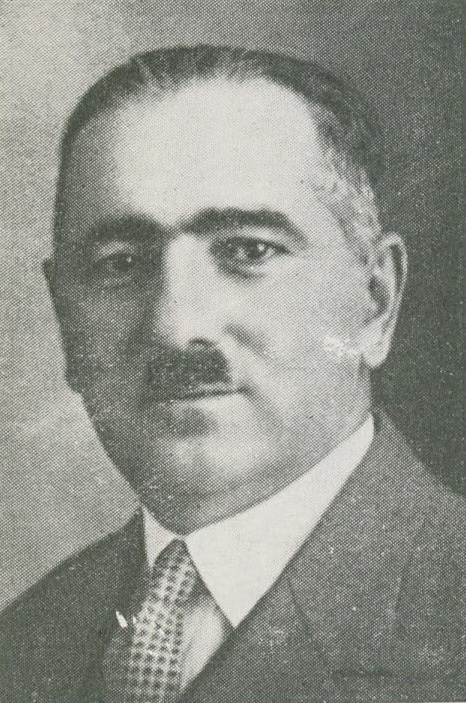
Childhood friend · chief aide-de-camp
Salih Bozok
1881 – 1941
He was born in Thessaloniki in the same year and grew up in the same neighbourhood; they were also distantly related. He served on many fronts, from Tripolitania to the National Struggle; he became the first chief aide-de-camp to the President of the Republic, then was elected a member of parliament. Upon Atatürk’s death he shot himself at Dolmabahçe, but was saved. He died in Istanbul in 1941.
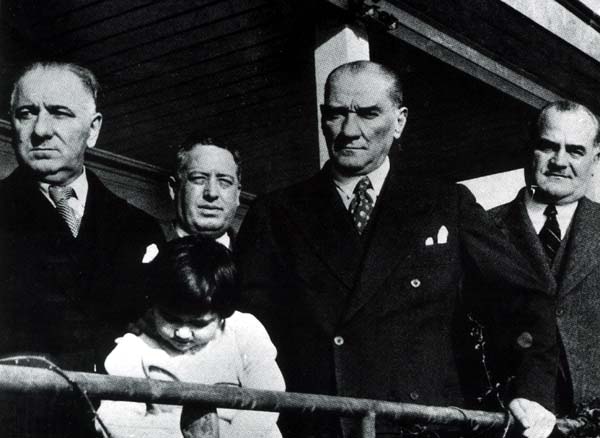
His close circle
Friends at the table
Nuri Conker · Cevat Abbas Gürer · Kılıç Ali
Nuri Conker, his childhood friend from Thessaloniki, Cevat Abbas Gürer, his aide-de-camp since the First World War, and Kılıç Ali, who came from the defence of Antep, were for many years in his closest circle. All three became members of parliament. On Ankara evenings, in long conversations at the table, on journeys through the country, they were always at his side.